Can Chickens Eat Grapes? Safety Guide
Learn if grapes are safe for chickens and how to feed them properly.
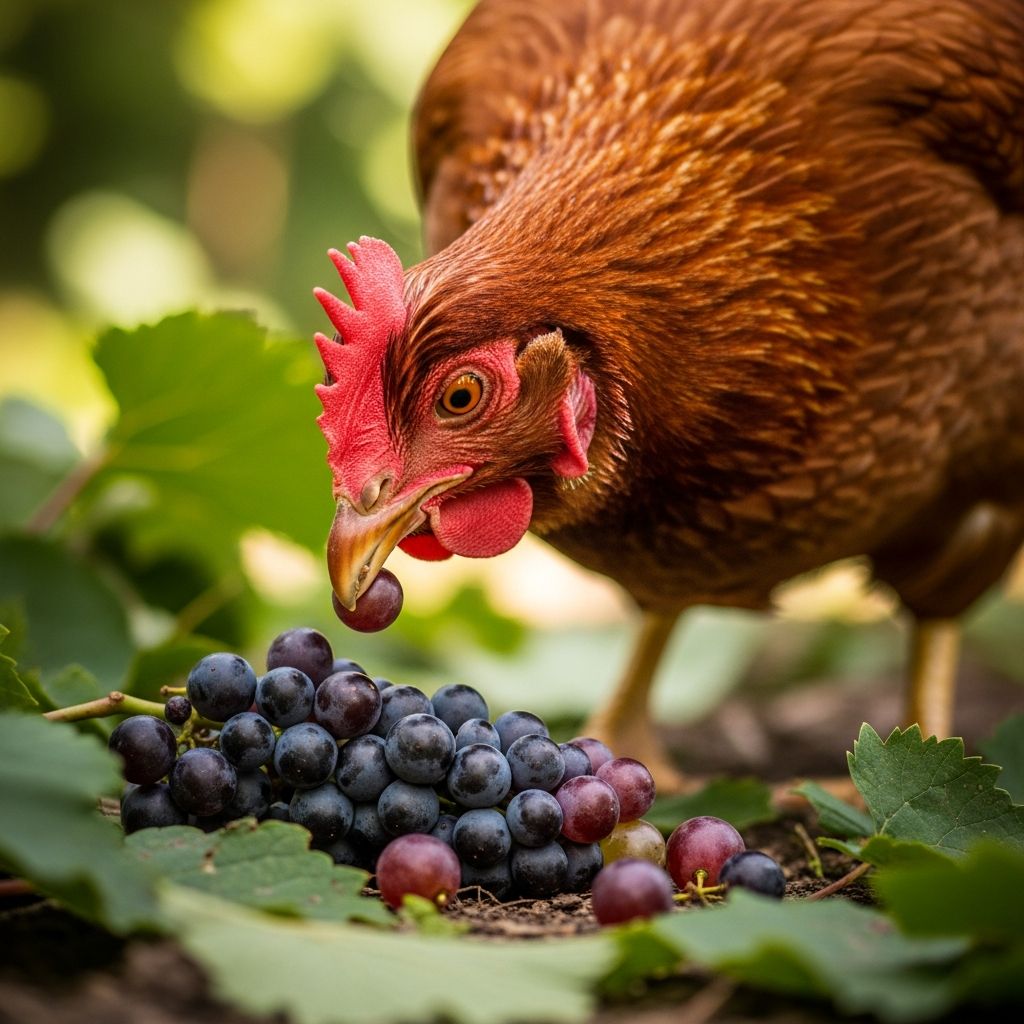
Can Chickens Eat Grapes? A Complete Safety Guide for Your Flock
If you’re a chicken keeper looking to provide your flock with tasty treats, you’ve probably wondered about grapes. The good news is that chickens can absolutely eat grapes, and most birds will eagerly gobble them up whenever they get the chance. Whether you have a small backyard coop or a larger operation, understanding how to safely incorporate grapes into your chickens’ diet is essential for their health and happiness.
Can Chickens Eat Grapes?
Yes, chickens can eat grapes safely. This applies to all varieties of grapes—green, red, and black grapes are all perfectly safe for your flock to consume. Grapes are not on the list of forbidden foods for chickens, making them an excellent occasional treat option. Your chickens will likely develop an enthusiasm for this juicy fruit, and watching them enjoy grapes can be entertaining for chicken keepers.
The key consideration isn’t whether grapes are safe, but rather how much and how often you should offer them to maintain your flock’s nutritional balance and health.
Nutritional Benefits of Grapes for Chickens
Grapes offer several nutritional advantages for your flock. They contain valuable antioxidants and are rich in essential nutrients including calcium, potassium, vitamin C, and vitamin K. These compounds support overall health and immune function in your chickens.
Additionally, grapes provide excellent dietary fiber, which is crucial for gut health. Chicken digestive systems host over 900 unique strains of microorganisms that benefit from consistent fiber intake. This fiber also plays an interesting role in reducing ammonia emissions from your coop by helping the digestive tract synthesize proteins more efficiently, preventing undigested protein from fermenting into harmful ammonia.
Red grapes offer a slight nutritional advantage over green varieties due to their darker skin, which contains additional antioxidants.
Portion Control and Moderation
While grapes are safe and nutritious, moderation is essential. The golden rule for feeding grapes to chickens is to offer only a few grapes per chicken as an occasional treat. Treats in total should not exceed 10% of your flock’s daily diet, which equals approximately 1 to 2 tablespoons per bird per day.
The bulk of your chickens’ nutrition should come from:
- Balanced commercial chicken feed formulated for their age and purpose
- Foraged greens and naturally occurring vegetation
- Insects and bugs from free-ranging or scratching
Overfeeding grapes can create several problems. First, grapes are high in sugar, and excessive consumption can lead to digestive issues including diarrhea, similar to what humans experience. Second, too many grapes mean less room in their diet for other essential nutrients, particularly protein. This can result in protein deficiency, which reduces egg laying and decreases hatchability of eggs. Grapes contain only approximately 1 gram of protein per cup, making them insufficient as a primary food source.
Preparing Grapes for Your Chickens
When offering grapes to your flock, preparation matters. Always wash grapes thoroughly under cold running water before feeding them to your chickens. This crucial step removes potential pesticides, chemicals, and other contaminants that could harm your birds.
While whole grapes are not inherently dangerous, many experienced chicken keepers recommend taking extra precautions:
- Cut grapes in half or into quarters to minimize choking risk
- Slice larger grapes, particularly for smaller birds or fast eaters
- Mash or squash wrinkled or soft grapes into smaller pieces
You can simply toss grapes into your yard and watch your chickens chase and enjoy them. However, avoid mixing fresh grapes directly into their feed, as the high water content can cause the feed to spoil quickly.
Choking Risk and Safety Considerations
A common concern among chicken keepers is whether grapes pose a choking hazard. Choking from grapes is unlikely but possible, particularly for smaller birds or those who eat rapidly. Chickens lack teeth and instead tear food into manageable pieces before swallowing, allowing their muscular gizzard to do the actual chewing. Many chicken keepers have observed their flocks successfully consume larger prey like frogs and mice without incident, suggesting grapes present minimal risk.
To be extra cautious, especially when first introducing grapes to your flock, gradually introduce the treat and monitor your chickens for any potential issues. Starting with a few grapes and observing your birds’ eating behavior gives you confidence in their ability to handle this treat safely.
Grape Seeds and Grapevines
You don’t need to remove grape seeds before feeding grapes to your chickens. Seeds are not a problem as long as your chickens have access to grit at all times. Chickens possess a highly-muscular, acid-rich gizzard that stores small stones for grinding, allowing them to easily break down seeds and other hard materials. Grit aids in this digestive process and should always be available to your flock.
Even grape stems and vines are safe for chickens to eat. Your birds will naturally peck away at every part of the grape plant they encounter.
What to Avoid: Moldy and Rotten Grapes
While fresh grapes are excellent treats, never feed moldy grapes to your chickens. Moldy or rotten grapes should be composted rather than offered to your flock. Mold can contain harmful toxins that negatively affect chicken health.
Soft or slightly wrinkled grapes are acceptable to feed, as these changes occur naturally as grapes age. However, any signs of mold growth or decomposition warrant discarding the fruit entirely.
Related Treats: Raisins and Other Options
If you enjoy offering grape-based treats, raisins are also safe for chickens to eat in moderation. However, it’s important to note that raisins are extremely high in sugar and should be offered only occasionally. This is particularly important to remember if you have other pets, as raisins are toxic to dogs and cats.
Red vs. Green Grapes: Does It Matter?
When it comes to choosing between grape varieties, both red and green grapes are completely safe for chickens. Your chickens won’t show preference based on color and will happily consume whichever variety you offer. The main difference is that red grapes contain more antioxidants due to their darker skin, giving them a slight nutritional edge. For maximum nutritional variety, consider offering both varieties to your flock.
Red Grape Considerations
While red grapes are generally safe, some sources suggest exercising caution with purple and red grapes. Certain compounds in these darker varieties can potentially build to toxic levels with excessive consumption over time. However, occasional feeding of red or purple grapes in appropriate portions presents minimal risk to your flock. Follow general moderation guidelines to ensure your chickens benefit from these treats without any adverse effects.
How to Offer Grapes to Your Flock
There are several enjoyable ways to introduce grapes to your chickens:
- Toss whole or halved grapes into the run and enjoy watching the excitement
- Offer grapes during scheduled treat time to create routine and anticipation
- Chop grapes into bite-sized pieces for smaller birds or young chickens
- Combine grapes with other safe treats for variety
- Offer frozen grapes on hot days as a refreshing treat
The entertainment value of watching your flock go “full frenzy” over grapes makes treat time enjoyable for both you and your birds.
Summary: Can Chickens Eat Grapes?
The answer is a resounding yes. Grapes are a safe, nutritious, and entertaining treat for your chickens when offered properly. They provide valuable antioxidants, vitamins, minerals, and fiber that support chicken health. By following guidelines for moderation, proper preparation, and monitoring, you can confidently incorporate grapes into your flock’s treat rotation.
Remember that treats should supplement, not replace, a balanced diet of quality chicken feed and foraged foods. With grapes as an occasional treat, your chickens will enjoy both the nutritional benefits and the fun of treat time.
Frequently Asked Questions About Feeding Grapes to Chickens
Q: How often can I feed grapes to my chickens?
A: Grapes should be offered as an occasional treat, not a daily food. Limit grape feeding to a few times per week at most, ensuring treats comprise no more than 10% of your flock’s total diet. This allows your chickens to maintain balanced nutrition from their primary feed source.
Q: Can baby chicks eat grapes?
A: Baby chicks have different nutritional requirements than adult chickens and should focus primarily on starter feed formulated for their age. It’s best to wait until chicks are older before introducing treat foods like grapes. Always prioritize nutritionally complete feed for growing birds.
Q: What if my chicken doesn’t want to eat grapes?
A: Not all chickens have the same preferences, and some may not be interested in grapes. This is perfectly normal. Continue offering other approved treats and monitor your flock’s individual preferences. Variety ensures your chickens receive diverse nutrition.
Q: Can I feed my chickens raisins instead of fresh grapes?
A: Yes, raisins are safe for chickens, but they’re extremely high in sugar and should be offered very sparingly. Treat raisins as an occasional special treat, and remember they’re toxic to dogs and cats if you have other pets.
Q: Should I wash grapes before feeding them to my chickens?
A: Yes, always wash grapes thoroughly under cold running water before offering them to your flock. This removes potential pesticides, chemicals, and contaminants that could be harmful to your birds’ health.
Q: Can chickens eat grape leaves or vines?
A: Yes, chickens can safely peck and eat grape leaves, vines, and stems. If you have a grapevine in your garden or yard, your chickens can forage on it without issue. They naturally regulate consumption and won’t overeat from the plant.
Q: Do I need to remove grape seeds?
A: No, grape seeds are completely safe for chickens. Their powerful gizzards easily break down seeds as long as grit is available. You don’t need to spend time removing seeds before feeding grapes to your flock.
Q: What are signs my chicken ate too many grapes?
A: Signs of overindulgence include diarrhea, digestive upset, or reduced egg production. If you notice these symptoms, reduce treat portions and ensure your chickens are receiving adequate balanced feed to restore proper nutrition.
References
- Can Chickens Eat Grapes? Are They Safe? — The Homesteading RD. 2024. https://thehomesteadingrd.com/can-chickens-eat-grapes/
- How to Safely Feed Grapes to Your Chickens: Tips and Tricks — Ranchr. 2024. https://ranchr.com/blog/can-chickens-eat-grapes/
- Can Chickens Eat Grapes? — Fresh Eggs Daily by Lisa Steele. 2025. https://www.fresheggsdaily.blog/2025/07/can-chickens-eat-grapes.html
- Chicken Digestive Health and Nutritional Requirements — Clemson University Department of Animal and Veterinary Sciences. https://www.clemson.edu/extension/
- Can Chickens Eat Grapes? — Buff Clucks. 2024. https://www.buffclucks.com/blogs/backyard-chicken-how-tos/can-chickens-eat-grapes
Similar Articles








Read full bio of medha deb