

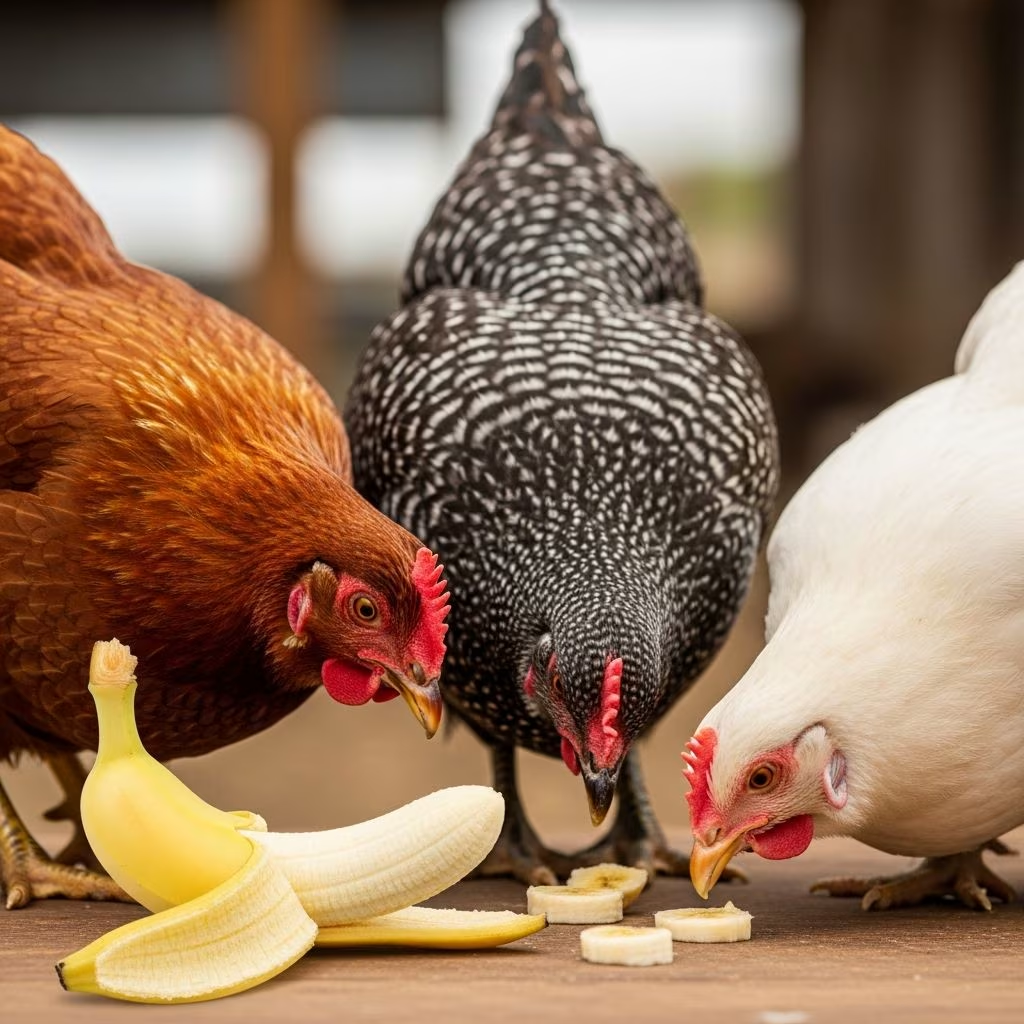
Can Chickens Eat Bananas?
Yes, chickens can safely eat bananas! Bananas are a nutritious and delicious treat that your flock will enjoy. These tropical fruits are safe for healthy chickens and contain no toxic or poisonous components that would harm your feathered friends. However, because bananas are naturally high in sugar, they should be offered in moderation as part of a balanced diet rather than as a primary food source.
Nutritional Benefits of Bananas for Chickens
Bananas are packed with various nutrients that can contribute positively to your chickens’ health and wellbeing. Understanding the nutritional profile of bananas helps chicken owners make informed decisions about incorporating this fruit into their flock’s diet.
Carbohydrates and Energy
Bananas are high in carbohydrates, primarily from their natural sugars. This makes them an excellent source of quick energy for your chickens. The carbohydrate content helps support daily activities and overall vitality. However, the high sugar concentration means they should be treated as an occasional treat rather than a staple food.
Fiber for Digestive Health
A significant portion of a banana’s carbohydrates comes from dietary fiber, which plays a crucial role in maintaining digestive health. A whole banana provides approximately 3 grams of fiber, which is an important component for chicken gut health. Chickens have a diverse microbiome hosting over 900 unique strains of microorganisms that thrive on consistent fiber intake. Additionally, fiber aids in the digestion process by reducing the amount of undigested protein that ferments into harmful ammonia. High ammonia levels can pose serious health hazards for your chickens, making fiber intake particularly valuable for maintaining a healthy coop environment.
Potassium for Muscle and Nerve Function
Bananas are especially rich in potassium, an essential mineral for chickens. Potassium supports muscle function, maintains proper fluid balance, and promotes healthy nerve signaling. This mineral also plays a vital role in heart health and can contribute to stronger eggshells in laying hens. The potassium content makes bananas particularly beneficial for maintaining your chickens’ overall physiological functions.
Vitamin B6 and Metabolism
Vitamin B6 plays a crucial role in a chicken’s metabolism by helping break down proteins, fats, and carbohydrates for energy production. This vitamin also supports proper nerve function and brain health, contributing to your chickens’ cognitive abilities and stress response. Regular B6 intake ensures optimal metabolic processes and overall wellness.
Vitamin C for Immune Support
While chickens typically generate enough vitamin C on their own, bananas can provide a helpful boost, especially during times of heat stress, illness, or rapid growth. Vitamin C helps strengthen the immune system, reduces stress, and supports overall health during challenging periods. This makes bananas particularly valuable during hot summer months or when your flock is recovering from illness.
Magnesium for Bone and Eggshell Quality
Magnesium is essential for maintaining strong bones and eggshell quality in chickens. This mineral aids in calcium absorption and bone mineralization, creating a strong skeletal structure. Additionally, magnesium plays a vital role in enzyme activation, supporting muscle function, nerve signaling, and energy production. For laying hens, adequate magnesium intake directly impacts eggshell thickness and quality.
How Much Banana Should You Feed Your Chickens?
Proper portioning is essential when offering bananas to your flock. Feeding guidelines help prevent obesity, digestive upset, and nutritional imbalances.
Daily Portion Guidelines
A good rule of thumb is to give no more than a few small pieces of banana per chicken per day, roughly 1 or 2 tablespoons’ worth. If you’re feeding a whole flock, one banana split among several chickens is plenty. This ensures each bird receives a nutritious treat without excessive sugar consumption.
Weekly Feeding Frequency
Offering bananas once or twice a week rather than daily helps prevent issues such as obesity and digestive upset. Treating bananas as an occasional indulgence rather than a frequent snack maintains nutritional balance within your flock’s diet. This frequency allows your chickens to enjoy the benefits of bananas while keeping them as a special treat.
Treat Ratio in Overall Diet
Bananas should make up only about 5 percent of your chickens’ weekly diet. The majority of their nutrition should come from high-quality layer pellets or appropriate chicken feed that provides complete nutritional profiles. By controlling portions and maintaining a balanced diet, you can ensure your chickens enjoy the benefits of bananas without potential drawbacks.
Ripe vs. Unripe Bananas for Chickens
The ripeness of bananas affects their nutritional profile and suitability for chicken consumption. Understanding the differences helps you make better choices for your flock.
Unripe Bananas
Unripe bananas are generally the healthier option for chickens. They contain less sugar and more resistant starch, making them easier to digest and less likely to cause metabolic issues. While your chickens might not find unripe bananas as appealing as their sweeter, riper counterparts, offering unripe bananas occasionally provides superior nutritional benefits.
Ripe Bananas
Ripe bananas become increasingly soft and sweet, which presents two concerns for chickens. First, the higher sugar content can negatively affect your birds’ health if consumed excessively. Second, excessively soft food can have detrimental effects on their crops and digestive systems. While your chickens may prefer the taste of ripe bananas, moderating their consumption becomes even more critical with fully ripened fruit.
Can Chickens Eat Banana Peels?
Yes, chickens can eat a very small amount of banana peels. Banana peels contain fiber and some nutrients, but they are tougher than the fruit itself. If you decide to give your chicken banana peels, follow these guidelines:
- Cut peels into smaller, manageable pieces to prevent choking hazards
- Ensure peels are clean and free of pesticides and chemicals
- Consider organic bananas as a safer choice if you want to feed the peel to your chickens
- Offer peels sparingly, as they should never constitute a significant portion of treats
The peel’s toughness means chickens may not find it as appealing as the fruit itself, but offering it occasionally provides additional fiber and nutrients that support gut health.
Preparation and Serving Methods
How you prepare bananas for your flock affects their enjoyment and nutritional benefits. Consider these serving options to maximize your chickens’ appreciation of this tropical treat.
Fresh Banana Slices
Cutting bananas into thin slices creates easy-to-eat pieces that chickens can peck at naturally. Slices are ideal for individual feeding and allow you to easily control portion sizes.
Mashed Bananas
Mashing bananas creates a soft treat that younger or weaker chickens can enjoy more easily. This preparation method is particularly beneficial for baby chicks, who should only eat soft banana bits.
Whole Banana Treats
Chickens can consume the entire banana, including the stem and trunk, without any issues. Offering a whole banana creates an engaging treat that encourages natural foraging behaviors.
Baby Chicks and Bananas
Baby chicks have different nutritional requirements than adult chickens. When introducing bananas to young birds, follow these guidelines:
- Wait until chicks are at least a few weeks old before offering any treats
- Offer only soft banana pieces, never chunks
- Keep portions extremely small—a tiny pinch per chick
- Limit frequency to ensure treats don’t interfere with starter feed consumption
- Monitor chicks for any digestive upset
Baby chicks require specific nutrition from starter feed to support healthy development, making bananas an occasional addition rather than a regular treat.
Health Considerations and Warnings
While bananas are generally safe and healthy for chickens, certain considerations should guide your feeding practices.
Sugar Content and Obesity
The high sugar content in bananas can lead to weight gain and associated health problems such as heart disease and fatty liver disease if overfed. Obesity in chickens impairs their ability to lay quality eggs and reduces their overall lifespan. Strict portion control prevents these complications.
Digestive Upset
Excessive banana consumption can cause digestive issues in chickens. Too many bananas might disrupt the delicate balance of their gut flora or create crop impaction. Monitoring your flock for signs of digestive upset and adjusting banana offerings accordingly ensures optimal health.
Nutritional Balance
Bananas don’t provide all of your chickens’ dietary needs. They lack sufficient protein, which is essential for egg production and muscle development. Never use bananas as a replacement for quality layer feed. Instead, treat them as a supplement that enhances an already-balanced diet.
Other Healthy Treats for Your Flock
While bananas are excellent treats, diversifying your flock’s snacks provides varied nutrition and enrichment. Consider offering these alternatives in moderation:
- Strawberries—rich in vitamins and antioxidants
- Blueberries—high in antioxidants and chicken favorites
- Watermelon—excellent for hydration during hot weather
- Leafy greens—provide minerals and vitamins
- Mealworms—high in protein and chickens adore them
- Pumpkin seeds—nutrient-dense and chickens enjoy foraging for them
Frequently Asked Questions
Q: How often can chickens eat bananas?
A: Chickens should eat bananas once or twice weekly in small portions. A good rule of thumb is to give no more than 1 or 2 tablespoons per chicken per day. If feeding a whole flock, split one banana among several birds. Bananas should comprise no more than 5 percent of your chickens’ weekly diet.
Q: Can chickens eat banana peels?
A: Yes, but only in very small amounts. Banana peels contain fiber and nutrients but are tougher than the fruit. Cut peels into smaller pieces, ensure they’re clean and pesticide-free, and prefer organic bananas when offering peels to your flock.
Q: Are unripe or ripe bananas better for chickens?
A: Unripe bananas are generally healthier because they contain less sugar and more resistant starch. However, both can be offered occasionally. Ripe bananas are sweeter and softer, which chickens may prefer, but their higher sugar content makes moderation even more critical.
Q: Can baby chicks eat bananas?
A: Baby chicks can eat bananas, but only soft pieces in tiny amounts after they’re at least a few weeks old. Keep portions minimal and frequency low to ensure they consume adequate starter feed for proper development.
Q: Do bananas replace regular chicken feed?
A: No. Bananas should never replace quality layer pellets or appropriate chicken feed. While bananas provide valuable nutrients, they lack the complete nutritional profile—particularly protein—that your chickens need for optimal health and egg production.
Q: What are signs that my chickens are eating too many bananas?
A: Signs of excessive banana consumption include digestive upset, decreased layer feed consumption, weight gain, and reduced egg production. Monitor your flock closely and reduce banana offerings if you notice any of these issues.
Conclusion
Bananas are a safe and nutritious treat that chickens genuinely enjoy. These tropical fruits provide valuable nutrients including potassium, magnesium, fiber, and B vitamins that support overall chicken health. By following proper feeding guidelines—offering no more than 1 or 2 tablespoons per chicken daily, limiting frequency to once or twice weekly, and ensuring bananas comprise no more than 5 percent of your flock’s diet—you can safely incorporate this treat into your chickens’ nutrition plan.
Remember that while bananas are healthy, especially compared to processed foods, they should remain a supplement to, not a replacement for, quality chicken feed. Monitor your flock for any digestive issues and adjust portions as needed. Your chickens will thank you for the occasional banana treat, and you’ll enjoy watching your feathered friends eagerly peck at this delicious and nutritious snack.
References
- Can Chickens Eat Bananas? — Chewy Education. 2024. https://www.chewy.com/education/farm-animal/chicken/can-chickens-eat-bananas
- Can Chickens Eat Bananas? The Do’s and Don’ts of Feeding — Ranchr. 2024. https://ranchr.com/blog/can-chickens-eat-bananas/
- Can Chickens Eat Bananas? All You Need To Know — Backyard Chickens. 2024. https://www.backyardchickens.com/articles/can-chickens-eat-bananas-all-you-need-to-know.77050/
- Can Chickens Eat Bananas? What About the Peel? — The Homesteading RD. 2024. https://thehomesteadingrd.com/can-chickens-eat-bananas/
- Feeding Bananas to Chickens: Health Benefits and Guidelines — Nesty Boxes. 2024. https://www.nestyboxes.com.au/blogs/news/can-chickens-eat-banana
- The Ultimate Guide on What Do Chickens Eat — Chicken Coop Company. 2024. https://www.chickencoopcompany.com/a/blog/what-do-chickens-eat-food-scraps-guide



