

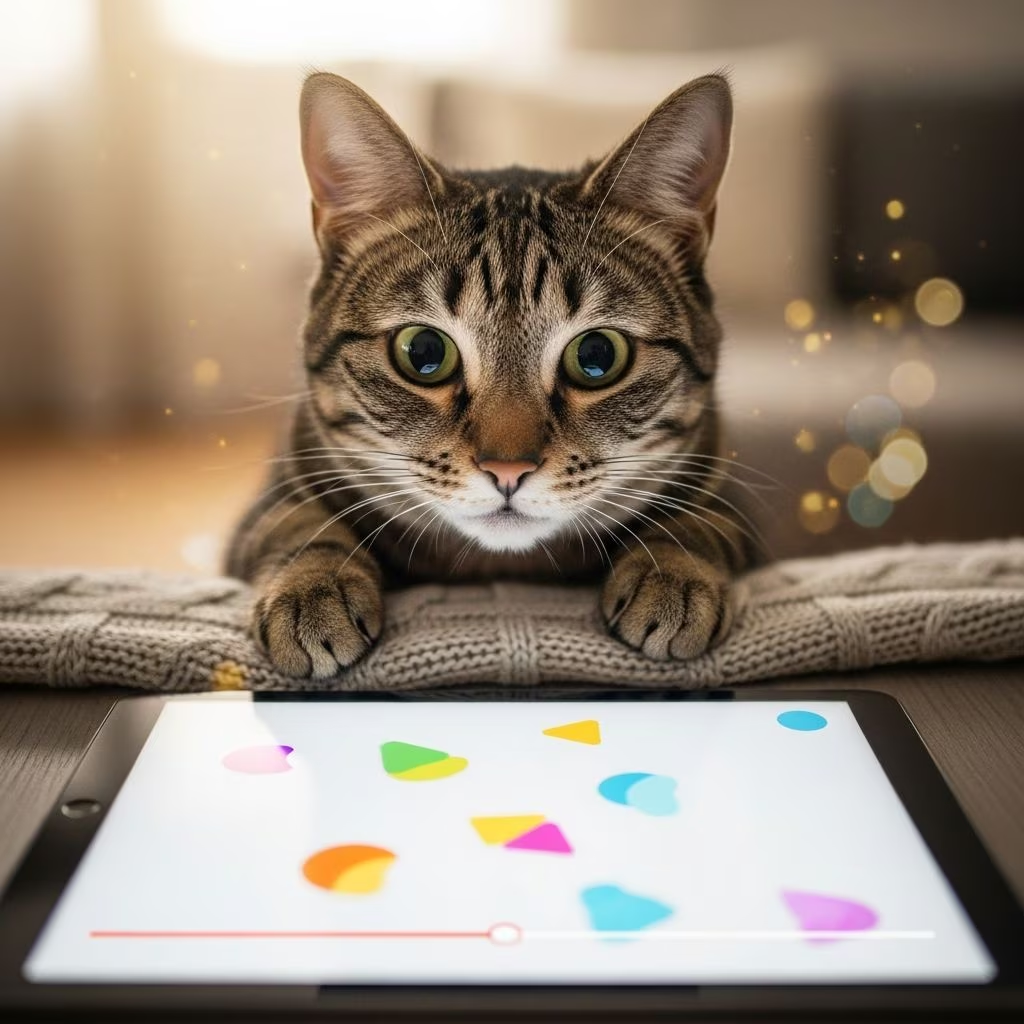
Can Cats Watch Baby Sensory Videos? A Comprehensive Guide
Indoor cats are wonderful pets and companions that bring millions of people joy and comfort. However, one significant challenge of keeping cats indoors is ensuring they receive adequate mental and physical stimulation. Like any intelligent animal, indoor cats can experience boredom without the natural enrichment that outdoor environments provide. Many cat parents have turned to videos as a potential solution to keep their feline friends entertained and engaged. Baby sensory videos, in particular, have gained popularity as a form of entertainment for cats. But the question remains: can cats actually watch and benefit from these videos designed for human infants?
The short answer is that you can show baby sensory videos to your cats, but whether they will benefit from them remains unclear. The colors and sounds used in these videos are specifically calibrated for human baby development, not feline vision and hearing. This means cats may not find these videos particularly interesting and could potentially find them annoying instead. However, other video subjects, particularly those featuring birds, mice, and other small animals, might better capture your cat’s attention and provide genuine mental stimulation. It’s important to limit video exposure, as cats may become frustrated when they cannot “catch” the prey they see on screen.
Do Cats Actually Like Baby Sensory Videos?
Cat owners have been experimenting with videos for their pets for as long as video technology has existed, and opinions vary widely on their effectiveness. Some cats seem to enjoy sensory videos immensely, while others show little to no interest. The good news is that according to anecdotal evidence, sensory videos are unlikely to cause harm to your cat, even if they don’t enjoy them. Many cats will simply choose to walk away if they find a video uninteresting or annoying.
The level of interest a cat shows in sensory videos often depends on their individual personality and hunting drive. Cats that are more prey-driven and possess a strong hunting instinct are typically more entertained by sensory videos compared to more sedentary cats. However, this varies significantly from cat to cat, as all felines have unique personalities and preferences.
One important consideration is that sensory videos should be used in moderation. Even if your cat enjoys watching them, extended exposure may lead to frustration, particularly if the cat feels unable to interact with or catch the moving objects on screen. This unfulfilled hunting instinct can cause stress and behavioral issues.
Which Video Types Do Cats Prefer?
If you’ve decided to introduce videos to your cat’s entertainment routine, understanding what they actually enjoy watching is essential. The type of sensory video your cat prefers will depend entirely on their individual tastes and preferences, as cats are unique creatures with distinct likes and dislikes.
Most cats are drawn to videos featuring:
- Mice and rodents
- Birds of various species
- Fish and aquatic creatures
- Insects and other small moving objects
Cats naturally gravitate toward videos that depict animals they instinctively see as prey. They are most attracted to content where something is constantly moving and where there is high contrast and colorful imagery. Although cats cannot perceive the full spectrum of colors that humans can, they still respond well to high-contrast visuals that stimulate their visual senses.
Baby sensory videos, while not specifically designed for cats, do contain some elements that may appeal to felines. These videos typically feature high-contrast shapes and contain many quick movements that mimic the behavior of small prey animals in the wild. This similarity is why some cats show interest in baby sensory videos, though many would still prefer videos specifically designed to showcase actual animals.
How Do Cats Perceive Video Content Differently?
To understand whether your cat will benefit from watching sensory videos, it’s important to understand how cats actually perceive television and video images compared to humans. Cats see the world in a fundamentally different way than we do, and this difference significantly impacts what they experience when watching video content.
Key differences in feline vision include:
- Color perception: Cats have fewer cones in their eyes, which are the cells responsible for detecting color. This means cats see fewer colors than humans do. While humans can see a full spectrum of colors, cats see a more limited palette.
- Motion detection: Cats have more rods in their eyes, which makes them exceptional at detecting motion, even from a distance. However, rods are less effective for seeing fine details, and cats need objects to be quite close to see them clearly.
- Low-light vision: Thanks to their abundance of rods, cats have superior vision during dawn and dusk when light is dim. This is part of their evolutionary adaptation as crepuscular hunters.
- Frame rate perception: For humans, 24 frames per second (fps) is sufficient to create the illusion of smooth, continuous movement. For cats, however, this threshold is much higher. What appears as smooth motion to human eyes may look like a series of flickering or jumping images to a cat watching on a standard television.
What this means in practical terms is that the moving images you see on a television screen may appear to your cat as a series of random shapes and flickering patterns. A cat may see individual frames rather than smooth, continuous motion, which can make video content less engaging or potentially confusing to them. However, cats will still be able to detect and track movement, which is why they may show some interest in videos with rapidly moving objects.
Why Some Cats Show Interest in Baby Sensory Videos
Given that baby sensory videos are not designed with cats in mind, you might wonder why any cats show interest in them at all. The answer lies in the similarities between baby sensory videos and the visual stimuli that naturally attract cats.
One of the primary reasons some cats appear to enjoy baby sensory videos is that most such videos are created with high-contrast shapes and contain numerous quick movements. These elements closely resemble the movements and appearance of mice or birds in the wild, which naturally trigger a cat’s predatory instincts and hunting drive.
Because of how cats perceive visual information, some (but certainly not all) cats are attracted to baby sensory videos. The rapid changes in visual stimuli, combined with high contrast, can engage a cat’s natural predatory responses. However, other cats might show no interest in baby sensory videos but could become highly engaged with videos that feature actual footage of small animals.
It’s important to remember that individual cats vary greatly in their response to any type of video content. What captivates one cat may bore another completely. The best approach is to experiment with different types of videos and observe your cat’s response to determine their preferences.
How to Recognize If Your Cat Is Enjoying a Video
Understanding your cat’s body language and behavioral cues is essential for determining whether they are enjoying or disliking a particular video. By observing these signs, you can adjust the content you show your cat and ensure they have a positive experience.
Signs that your cat is enjoying what they’re watching:
- Eyes are wide open and alert
- Pupils are narrow and focused
- Ears and whiskers point forward toward the screen
- Head movements follow the action on screen intently
- Body posture is relaxed and attentive
Signs that your cat is disliking or becoming frustrated with a video:
- Pupils become dilated and large
- Ears flatten against the head
- Whiskers point downward
- Cat appears stressed, anxious, or agitated
- Cat attempts to pounce or bat at the screen repeatedly
- Cat walks away and ignores the video
By monitoring these behavioral indicators, you can quickly determine whether a specific video is a good fit for your cat. If your cat shows signs of enjoyment, you can continue with that type of content. If they display signs of discomfort or disinterest, it’s best to switch to different content or turn off the video entirely.
Safety Considerations When Showing Videos to Cats
While videos themselves are not inherently harmful to cats, there are some important safety precautions to consider when allowing your cat to watch video content.
Physical safety concerns include:
- Screen damage: Some cats may attempt to pounce or bat at images on the screen. If your cat is particularly active when watching videos, they could cause your television or monitor to fall, potentially injuring themselves with broken glass or other debris.
- Unsupervised viewing: If your cat tends to pounce at the TV screen, it’s best not to play videos when your cat is unsupervised. This reduces the risk of accidents and injuries.
- Screen position: Ensure your television or monitor is securely positioned and stable. Use appropriate stands or wall mounts to prevent accidental falls.
- Viewing distance: Position your cat at a safe distance from the screen to prevent injury if they lunge at it.
The good news is that watching videos is not harmful to your cat’s eyes. Unlike humans, cats do not experience eye strain from screen time in the same way. However, the physical safety concerns mentioned above are the primary considerations when allowing your cat to watch videos.
Using Videos for Indoor Cat Enrichment
For indoor cats, providing adequate enrichment is crucial for their physical and mental well-being. Videos can serve as one component of a comprehensive enrichment strategy, though they should not be the only form of stimulation provided.
When used appropriately and in moderation, videos can:
- Provide mental stimulation and novelty
- Engage natural hunting instincts in a safe environment
- Offer entertainment during periods when the cat is alone
- Help alleviate boredom associated with indoor living
However, videos should be combined with other forms of enrichment such as interactive play, climbing structures, puzzle feeders, and environmental variety. A well-rounded enrichment program will better serve your cat’s overall needs than relying on videos alone.
Frequently Asked Questions
Q: Are baby sensory videos safe for cats to watch?
A: Yes, baby sensory videos are safe for cats to watch. There is no evidence that they cause harm to cats’ eyes or overall health. However, you should supervise your cat to prevent them from pouncing at the screen and potentially damaging the television or injuring themselves.
Q: How long should I let my cat watch videos?
A: Video exposure should be limited and used in moderation. Extended viewing can lead to frustration, especially if your cat feels unable to catch the prey they see on screen. A few minutes to perhaps 15-20 minutes of video watching per day is reasonable, depending on your cat’s individual interest level.
Q: What videos do cats like best?
A: Cats typically prefer videos featuring birds, mice, fish, and other small animals that trigger their hunting instincts. Videos with rapid movement and high contrast are most likely to capture your cat’s attention.
Q: Can I use videos as a substitute for play with my cat?
A: No, videos should not replace interactive play with your cat. While videos can provide some mental stimulation, active play with toys, wand toys, and other interactive elements is essential for your cat’s physical exercise and bonding with you.
Q: Why does my cat not seem interested in videos?
A: Not all cats are interested in videos, and this is completely normal. Each cat has unique preferences. Some cats may prefer other forms of enrichment, such as window perches, toys, or interactive play. Continue to explore different options until you find what your specific cat enjoys.
Q: Do cats understand what they’re watching on screen?
A: Cats likely do not understand that they are watching a two-dimensional representation of reality. They respond to the visual and auditory stimuli present in the video, but they may perceive the content differently than humans do due to differences in their vision and sensory perception.
Conclusion
You can safely show baby sensory videos and other types of videos to your cat in moderation, and they may provide some level of enrichment depending on the specific content and your cat’s individual preferences. Most cats show more interest in videos featuring quickly moving objects, high-contrast colors, and small animals they consider prey, such as birds, rodents, and fish. Baby sensory videos appeal to some cats because of their contrast and moving elements, though they are not specifically designed for feline entertainment.
The reality is that some cats may display genuine interest in sensory videos, while others may completely ignore them or even find them frustrating. All cats are unique individuals with distinct preferences and personalities. The best approach is to experiment with different types of videos and observe your cat’s behavioral responses. Monitor for signs of engagement or discomfort, and adjust your choices accordingly. When combined with other forms of enrichment and interactive play, videos can be a valuable tool for keeping your indoor cat mentally stimulated, entertained, and happy.
References
- Can Cats Watch Baby Sensory Videos? Is It Good for Them? — Catster. 2024. https://www.catster.com/lifestyle/can-cats-watch-baby-sensory-videos/
- Are Cat Videos Good for Cats? What Science Says & Vet Approved — Catster. 2024. https://www.catster.com/lifestyle/are-cat-videos-good-for-cats/
- How to Prepare Your Cat for a New Baby: 7 Vet-Approved Tips — Catster. 2024. https://www.catster.com/cat-behavior/how-to-prepare-your-cat-for-a-new-baby/



