

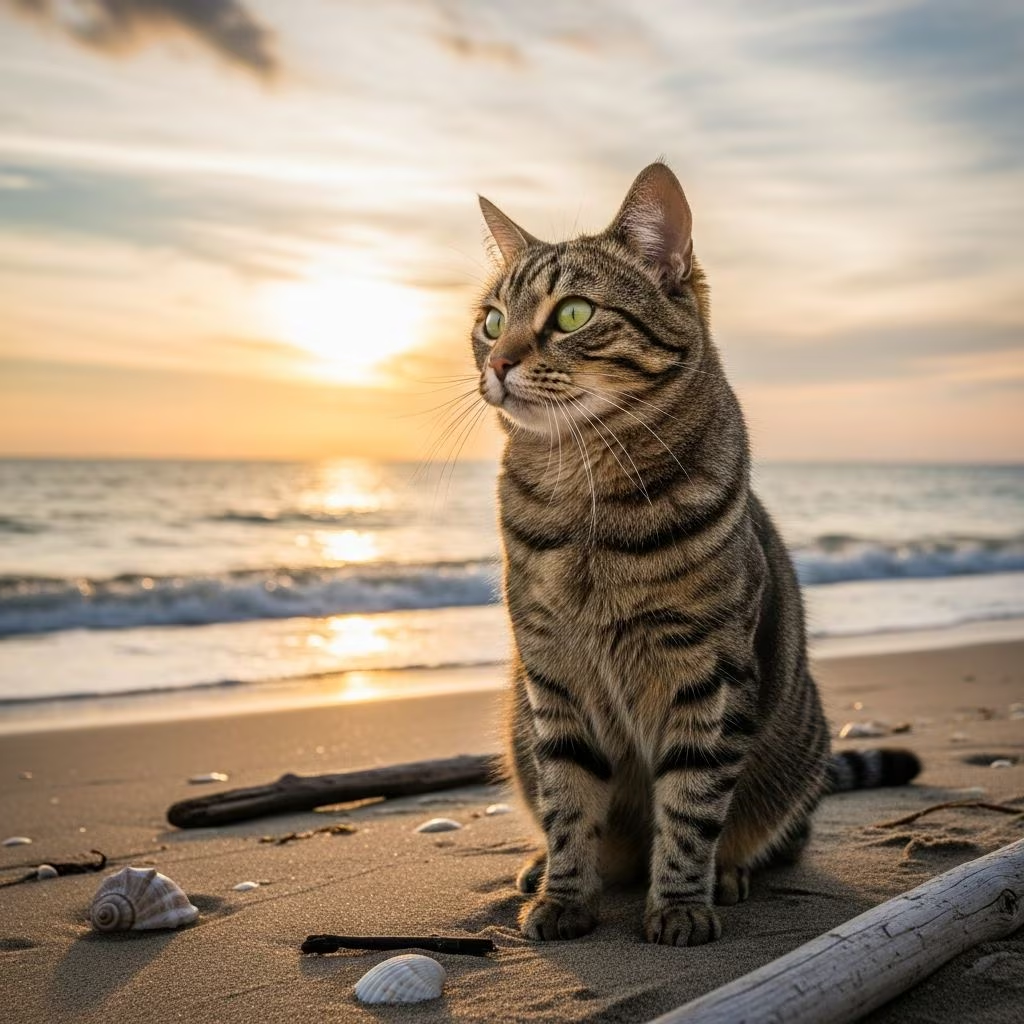
Bringing your cat to the beach combines seaside relaxation with pet companionship, but success hinges on local regulations, your cat’s temperament, and thorough preparation. While many beaches restrict or ban pets outright, some areas permit leashed animals during specific times, though cats face unique challenges like stress from crowds and sand ingestion.
Understanding Beach Access Policies for Pets
Beach rules vary widely by location, often prioritizing wildlife protection, public health, and crowd safety. In places like Miami Beach, dogs are confined to designated spots such as Bark Beach at 80th and 81st streets, with all other city beaches prohibiting them entirely. Cats, typically not mentioned explicitly, fall under broader pet bans in these zones, as ordinances focus on domestic animals without distinguishing felines. Pompano Beach enforces strict prohibitions on animals—including cats—in public parks, beaches, and access areas, with fines starting at $250 for violations.
Miami-Dade County maintains voluntary cat registration but upholds general animal control laws that limit pets on public lands. South Florida hotspots like Haulover Beach Park allow dogs in off-leash zones with amenities like showers and waste stations, but cat-specific permissions remain rare and unconfirmed. Always verify current rules via city websites or signage, as policies evolve with seasonal tourism and environmental concerns.
- Key Policy Variations: Leash mandates (e.g., Miami Beach requires dogs leashed everywhere outside dog parks).
- Designated pet zones: Off-leash dog beaches exist, but cat-friendly areas are scarce.
- Household pet caps: Miami Beach limits residents to 10 pets, max four dogs, implying indirect controls on cat numbers.
- Fines and enforcement: Repeat offenses lead to court appearances and higher penalties.
Why Cats Differ from Dogs at the Seaside
Dogs thrive on beaches with their love for water and exercise, but cats generally dislike noisy, sandy environments. Feline sensitivity to heat, unfamiliar scents, and sudden movements heightens stress risks, potentially causing escapes or health issues. Unlike dogs, cats risk paw burns from hot sand, dehydration from salt exposure, and gastrointestinal upset from ingesting sand or seaweed.
| Aspect | Dogs | Cats |
|---|---|---|
| Temperature Tolerance | Moderate; active cooling via panting | Low; prone to heatstroke without shade |
| Stress Response | Often excited by beaches | High anxiety from crowds/noise |
| Sand Interaction | Playful digging/swimming | Grooming leads to ingestion risks |
| Leash Compliance | Trained for walks | Resist harnesses; escape artists |
Florida Fish and Wildlife Conservation Commission advises against free-ranging pets to avoid wildlife conflicts and injuries, a caution especially relevant for cats.
Assessing Your Cat’s Beach Readiness
Not every cat suits beach trips. Evaluate temperament: adventurous explorers tolerate outings better than skittish homebodies. Test tolerance with short car rides and harness walks first. Age and health matter—kittens under four months or seniors with conditions like arthritis fare poorly. Consult a vet for travel clearance, ensuring vaccinations and flea prevention are current.
- Ideal Candidates: Socialized, harness-trained adults.
- Red Flags: Bolt-prone, noise-phobic, or overweight cats.
Essential Gear for a Cat Beach Day
Pack thoughtfully to mitigate risks. A sturdy carrier or harness with a 6-foot leash prevents escapes. Portable water bowls and collapsible dishes hold fresh water, countering saltwater temptation. Shade solutions like pop-up tents or umbrellas create cool retreats, vital as sand temperatures soar past paw-safe levels (test: if hot to your hand, too hot for cats).
Booties shield paws, while cooling mats and wet towels aid temperature regulation. Waste bags, pet-safe sunscreen (for light-furred cats), and towels for post-swim rinses round out essentials. Avoid human sunscreens toxic to cats.
- Harness and leash set.
- Insulated water supply (at least 1 liter).
- Shade structure.
- Paw protection and waste tools.
- First-aid kit with tweezers for sand spurs.
Safety Protocols to Prevent Mishaps
Prioritize hydration: Offer water hourly, watching for lethargy or dry gums signaling dehydration. Limit exposure to 1-2 hours initially, avoiding peak sun (10 AM-4 PM). Rinse thoroughly post-visit to remove irritants; salt dries skin, sand causes blockages if groomed.
Secure your cat at all times—carriers for transport, harnesses on-site. Monitor for heatstroke signs: rapid breathing, vomiting, weakness. Emergency cooling involves wet towels and shade, followed by vet care. Respect wildlife: No feeding gulls or disturbing nests, per conservation guidelines. Clean up meticulously to uphold pet-friendly reputations.
Prime Spots for Cats and Pets in Coastal Areas
Seek beaches with lenient pet policies. South Florida offers dog-centric options adaptable for calm cats: Haulover’s off-leash park provides space and rinses; Jupiter Beach’s expansive shores allow leashed walks; Hobie Island in Key Biscayne permits off-leash exploration amid skyline views. Hollywood Beach bans dogs except designated hours, signaling cat restrictions too.
Early mornings or off-seasons reduce crowds. Private beaches or resorts sometimes welcome pets—call ahead. For cat colonies, programs like Miami Beach’s TNVR (Trap-Neuter-Vaccinate-Return) manage ferals humanely but bar pet access to feeding sites.
Health Hazards and How to Counter Them
Beaches pose feline-specific threats. Hot sand burns paws; booties or dawn/dusk visits help. Saltwater ingestion causes vomiting/diarrhea—fresh water access is key. Parasites thrive in sand; post-trip baths with vet-approved shampoos prevent infestations. Overheating hits fast: Cats lack efficient sweat glands, relying on shade and hydration.
Stress manifests as hiding or aggression; pheromone sprays calm nerves. Long-term, repeated exposure might desensitize, but most cats prefer home comforts.
Legal Responsibilities and Fines to Avoid
Violating bans invites citations. Miami Beach dispatches code compliance 24/7 for off-leash or dune-trespassing pets. Pompano imposes escalating fines: $250 first offense, $500 second, court for repeats. Miami-Dade enforces licensing (dogs mandatory, cats voluntary) and breed bans indirectly affecting multi-pet homes. Check covenants for condos with stricter rules.
Community cat programs emphasize TNVR over beach presence, with registered feeders aiding population control sans trespassing.
Alternatives to Traditional Beach Trips
If beaches prove unfeasible, replicate vibes safely. Backyard sandboxes with toys mimic digging. Sprinklers or kiddie pools offer water play. Pet-friendly lakes or quiet rivers may allow cats sans ocean perils. Indoor setups with beach balls and fans provide stimulation without risks.
Catios (enclosed patios) or balcony harnesses deliver fresh air views. Virtual beaches via videos entertain while you relax.
Frequently Asked Questions
Are cats explicitly banned from most beaches?
Yes, under general pet prohibitions like Miami Beach (dogs only at Bark Beach) and Pompano Beach bans. Always confirm locally.
Can my cat handle a beach harness?
Trained cats can, but test first. Use escape-proof models.
What if my cat ingests sand?
Monitor for blockages; vet if vomiting persists. Prevent via rinses.
Are there cat-only beach areas?
No dedicated spots; dog parks sometimes work for leashed cats.
How do I cool an overheated cat?
Shade, wet towels, vet immediately if severe.
Final Thoughts on Feline Coastal Escapades
Beach days with cats demand diligence but reward bold owners with unique bonding. Prioritize rules, prep, and pet comfort for hazard-free fun. When in doubt, opt for safer simulations—happy cats make joyful owners.
References
- Animal Control – City of Miami Beach — City of Miami Beach. Accessed 2026. https://www.miamibeachfl.gov/residents/animal-control/
- Do’s and Don’ts for Taking Your Pet to the Beach — Small Miracles Animal Hospital. Accessed 2026. https://www.smallmiraclesanimalhospital.vet/post/beach
- § 90.06 ANIMALS PROHIBITED IN CERTAIN PLACES — City of Pompano Beach, FL Code Library. Accessed 2026. https://codelibrary.amlegal.com/codes/pompanobeach/latest/pompanobeach_fl/0-0-0-81335
- FL – Miami-Dade County – Chapter 5 – ANIMALS AND FOWL — Animal Legal & Historical Center. Accessed 2026. https://www.animallaw.info/local/fl-miami-dade-county-chapter-5-animals-and-fowl
- Top Pet Friendly Beaches In South Florida — Isla Palma Singer Island. Accessed 2026. https://islapalmasingerisland.com/pet-friendly-beaches-in-south-florida/
- Parks Rules and Regulations — Miami-Dade County. Accessed 2026. https://www.miamidade.gov/global/recreation/rules-regulations.page
- Cats and Dogs — Florida Fish and Wildlife Conservation Commission. Accessed 2026. https://myfwc.com/conservation/you-conserve/wildlife/tips/pets/



