

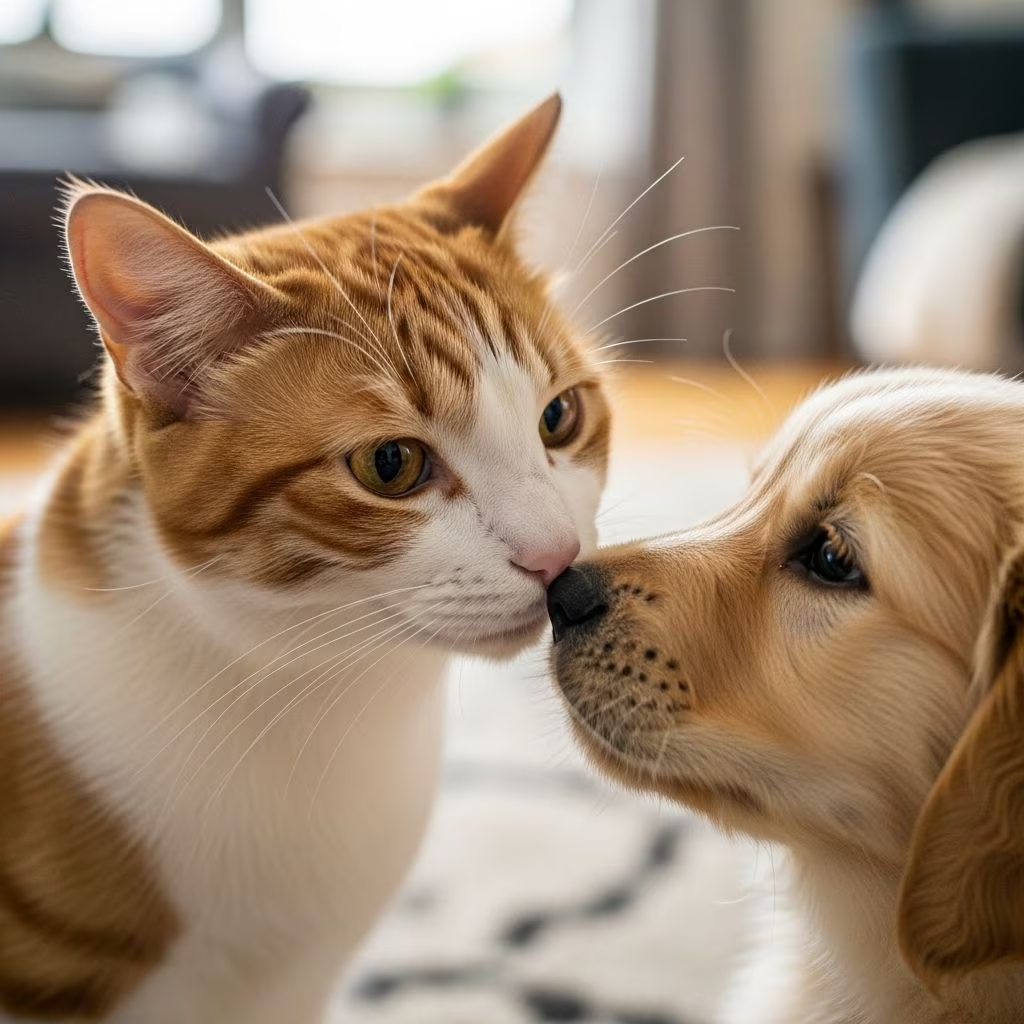
Parvovirus represents one of the most dreaded infectious diseases in veterinary medicine, striking fear into pet owners worldwide. While commonly linked to dogs, a related strain affects cats, prompting questions about cross-species transmission. The straightforward answer is no—cats cannot transmit their version of parvovirus to dogs because the viruses are species-specific. Feline panleukopenia virus (FPV), the cat equivalent, does not infect canines, though certain canine parvovirus strains have occasionally impacted felines in rare cases.
Understanding Parvovirus Strains in Pets
Parvoviruses are small, resilient DNA viruses that target rapidly dividing cells in the gastrointestinal tract, bone marrow, and immune system. In dogs, canine parvovirus (CPV) comes in variants like CPV-2, CPV-2a, CPV-2b, and CPV-2c, each with slight genetic differences but devastating effects. Cats suffer from FPV, often called feline distemper or feline parvo, which shares genetic similarities with CPV but remains host-specific.
These viruses evolved separately, with evidence suggesting CPV originated from FPV-like viruses in wild carnivores before adapting to dogs in the late 1970s. Despite close relation—over 90% genetic similarity—key surface protein differences prevent FPV from binding to canine cell receptors, blocking infection. Conversely, some evolved CPV strains regained feline infectivity, explaining isolated cat cases linked to dog exposure.
Transmission Pathways: Cats to Dogs and Vice Versa
Both viruses spread primarily through fecal-oral routes. Infected animals shed massive viral loads in feces, contaminating environments, bedding, food bowls, and even human clothing or shoes. The virus endures harsh conditions, surviving outdoors for months to a year and resisting many disinfectants except bleach.
- Direct contact: Nose-to-nose greetings or shared grooming between pets.
- Indirect contact: Stepping in contaminated feces and tracking it indoors.
- Environmental persistence: Virus clings to surfaces like kennels, litter boxes, or toys.
Crucially, a cat infected with FPV poses no parvo risk to dogs. Studies confirm dogs cannot contract FPV, safeguarding multi-species homes from this direction. However, an unvaccinated dog with CPV could potentially expose cats to mutable strains, though feline vaccines offer cross-protection.
Recognizing Symptoms in Dogs and Cats
Symptoms emerge 3-10 days post-exposure, mirroring across species but varying in severity. Early detection boosts survival odds from under 20% untreated to over 80% with prompt care.
| Symptom | Dogs (CPV) | Cats (FPV) |
|---|---|---|
| Lethargy | Severe depression, weakness | Extreme fatigue, hiding |
| Gastrointestinal | Bloody diarrhea, vomiting | Watery/bloody diarrhea, vomiting |
| Fever | High (up to 105°F) | High initially, then drop |
| Other | Dehydration, abdominal pain | Neurological issues in kittens, abortion |
Puppies under 6 months and unvaccinated adults face highest risks, as do shelter cats and kittens. Diagnosis involves fecal ELISA tests, bloodwork showing leukopenia (low white cells), and ruling out other causes.
Risks in Multi-Pet Households
Sharing homes amplifies exposure chances. A dog’s CPV outbreak demands immediate cat isolation, as virus tracks via paws or owners. Shelters report heightened FPV in multi-cat settings, where one case sparks epidemics.
Prevention hinges on hygiene: Use 1:32 bleach solutions on non-porous surfaces, launder fabrics hot, and restrict outdoor access for unvaccinated pets. Quarantine new pets for 2 weeks and avoid dog parks during outbreaks.
Vaccination: The Cornerstone of Protection
Vaccines slash infection risk by 95%+, forming core protocols for puppies and kittens. Dogs receive DHPP shots (distemper, hepatitis, parvo, parainfluenza) starting at 6-8 weeks, boosters every 3 weeks until 16 weeks, then annually or every 3 years. Feline vaccines target FPV alongside calicivirus and herpesvirus from 6-8 weeks.
Core vaccines suit all pets; non-core like bordetella add for high-risk dogs. Holistic options like nosodes exist but lack robust efficacy data—consult vets for tailored plans. Pregnant animals gain maternal antibodies via colostrum, protecting neonates briefly.
Treatment Approaches for Infected Pets
No antiviral cures exist; management supports immunity while combating dehydration and secondary bacterial infections. Hospitalization involves IV fluids, electrolytes, anti-nausea meds, and broad-spectrum antibiotics. Nutritional support via feeding tubes sustains patients unable to eat.
Prognosis improves with early intervention: Puppies fare best under 48 hours symptomatic. Home care risks spread and complications, so professional oversight is vital. Post-recovery, pets develop lifelong immunity but shed intermittently—disinfect rigorously.
Prevention Strategies Beyond Vaccination
- Hygiene protocols: Daily litter scooping, paw washing post-walks, bleach-disinfect weekly.
- Isolation tactics: Separate sick pets; use pet gates in outbreaks.
- Screening newcomers: Vet checks and titer tests confirm immunity.
- Environmental controls: Avoid raw diets potentially harboring virus.
Wildlife like raccoons carry parvovirus variants, indirectly fueling mutations—limit outdoor roaming.
FAQs on Parvovirus and Cross-Species Concerns
Can humans transmit parvo between cats and dogs?
No, human parvovirus B19 (fifth disease) doesn’t affect pets, nor do pet strains infect people. Act as vectors via contaminated hands/shoes.
Is cat litter a parvo risk for dogs?
Unlikely—FPV doesn’t infect dogs. Clean shared areas thoroughly regardless.
How long does parvo live on surfaces?
Up to a year in cool, dry conditions; bleach kills it effectively.
Do indoor pets need parvo vaccines?
Yes—virus enters via owners or vectors.
Can parvo cause permanent damage?
Survivors usually recover fully, but kittens risk cerebellar hypoplasia.
Case Studies: Real-World Insights
In one scenario, a puppy vomited post-dog park visit, progressing to bloody diarrhea. Fecal tests confirmed CPV; IV therapy led to full recovery in 5 days. Household cats remained unaffected after quarantine. Another case involved shelter kittens with FPV—vaccinated ones survived via aggressive fluids, highlighting vaccination’s role.
These underscore vigilance: Monitor for lethargy, act fast, vaccinate proactively.
Long-Term Management in Mixed Households
Maintain updated records, annual titers for boosters, and emergency funds—parvo treatment costs $1,500-$5,000. Pet insurance covers diagnostics/treatment, easing burdens. Educate families on signs, fostering proactive care.
Ultimately, knowledge empowers: Species barriers protect against cat-to-dog transmission, but diligence prevents heartbreak from these hardy viruses.
References
- Can Dogs Get Parvo From Cats? — Wagwalking. 2023. https://wagwalking.com/wellness/can-dogs-get-parvo-from-cats
- Can Cats Get Parvo? — Cornerstone Veterinary Hospital of Clifton Park. 2024. https://cvhcp.com/blog/can-cats-get-parvo/
- Frequent Cross-Species Transmission of Parvoviruses among… — PMC (NCBI). 2013-02-27. https://pmc.ncbi.nlm.nih.gov/articles/PMC3571474/
- Cat parvo — Elwood Vet. 2023. https://www.elwoodvet.net/cat-parvo
- Preventing Parvovirus B19 — CDC. 2024. https://www.cdc.gov/parvovirus-b19/prevention-treatment/index.html



