

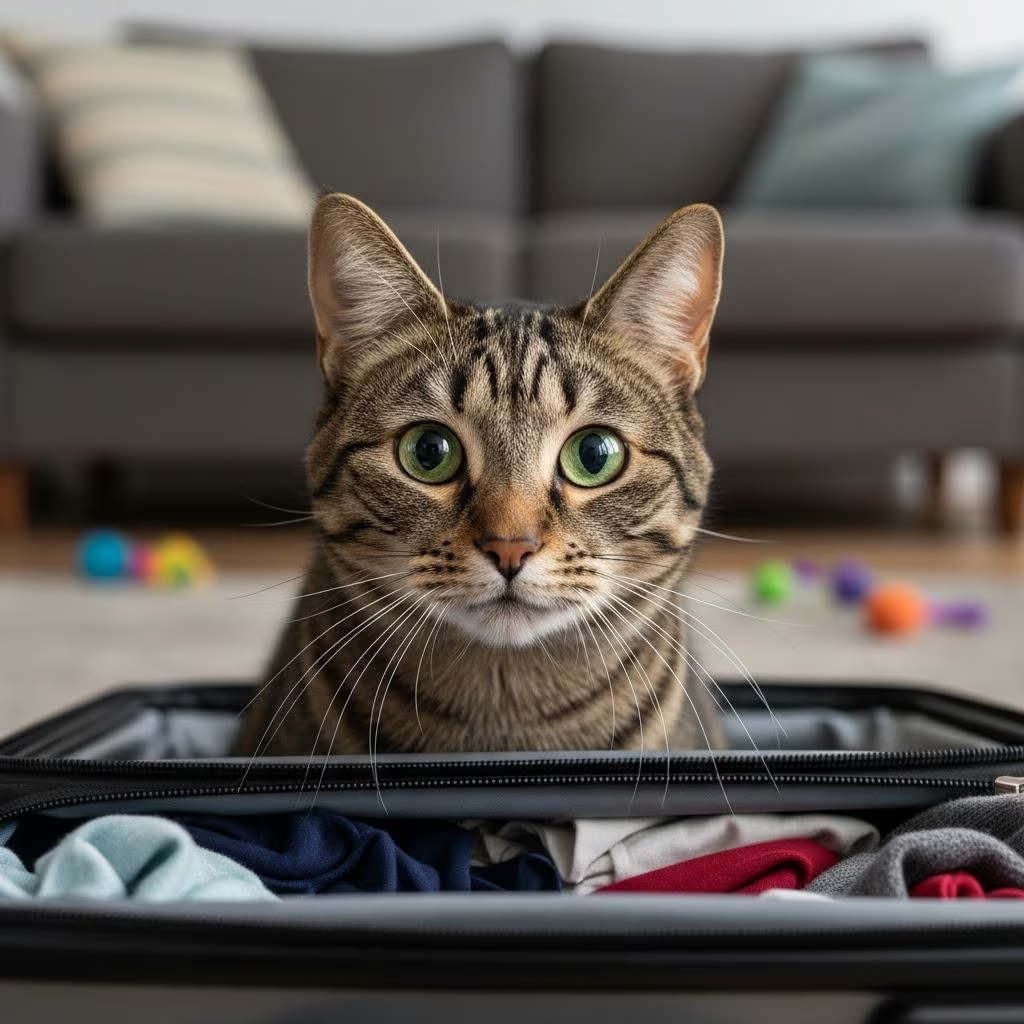
Many cat owners wonder if their independent felines can handle a weekend away without supervision. While cats are often seen as low-maintenance pets, stories like Olga’s reveal that not all cats cope well with extended solitude, highlighting the need for careful planning based on age, health, and personality.
Understanding Cat Independence: Myths vs. Reality
Cats have a reputation for self-sufficiency, but this doesn’t mean they thrive when left alone for long periods. Healthy adult cats can typically manage 8-12 hours alone, but weekends push limits due to risks like spilled water, soiled litter, or health issues. Kittens under 6 months should never exceed 2-3 hours unsupervised, while those 5-6 months old can handle up to 6 hours with proper setup.
For a full weekend (48 hours), experts strongly advise against leaving cats completely alone. Most recommend daily check-ins by a sitter to refresh water, clean litter, and provide play. Factors like a cat’s curiosity, anxiety levels, or multi-cat households influence tolerance—curious explorers risk cords or toxins, while anxious cats may scratch furniture.
Olga’s Story: A Cautionary Tale of Weekend Woes
Olga, a vocal tabby, epitomizes cats who cannot tolerate weekends alone. During her owner’s short trip, Olga’s distress was evident through constant meowing captured on a pet cam, refusal to eat from auto-feeders, and litter box avoidance leading to accidents. Her story underscores emotional needs: cats crave routine, interaction, and scent familiarity, which automated setups can’t fully replicate.
Post-weekend, Olga exhibited clinginess and disrupted sleep, signs of separation anxiety common in bonded indoor cats. This mirrors broader findings—prolonged absence amplifies stress hormones, potentially causing behavioral issues like overgrooming or aggression upon return.
How Long Can You Safely Leave Your Cat Alone?
| Cat Age/Status | Max Safe Alone Time | Key Considerations |
|---|---|---|
| Kittens <6 months | 2-3 hours | Kitten-proof space; frequent checks needed. |
| Kittens 6+ months | 4-6 hours | Monitor health; avoid dangers. |
| Healthy Adults | 8-12 hours (24 hours max occasionally) | Clean litter, stable water/food; no longer than 1 night routinely. |
| Senior/Sick Cats | <8 hours | Medication needs; daily monitoring essential. |
| Weekend (48+ hours) | Not recommended alone | Pet sitter required; risks too high. |
These guidelines from veterinary sources emphasize preparation over assumption. For 24 hours, ensure spill-proof water and auto-feeders work; beyond that, human intervention prevents emergencies like power outages disabling devices.
Essential Preparations Before Leaving Your Cat
Thorough prep minimizes risks. Start by cleaning the litter box daily pre-departure—cats avoid soiled ones, leading to messes. Provide multiple boxes for multi-cat homes or longer absences.
- Food and Water: Use timed feeders for portions; gravity-fed or fountain water bowls reduce spill risks, but check daily as cats shun stale water.
- Safety-Proofing: Secure cords, hide toxins/plants/chemicals, shut unnecessary doors to limit hiding spots and trouble.
- Temperature Control: Maintain 68-77°F; crack windows in summer or add blankets in winter as backups.
House confinement to 1-2 rooms simplifies sitter access and reduces chaos.
Enrichment and Entertainment for Solo Cats
Boredom breeds mischief. Enrichment outlets hunting instincts via puzzles, toys, and window perches with bird views. Avoid new items pre-trip to prevent stress; familiar toys suffice.
- Puzzle feeders dispense treats, promoting mental stimulation.
- Automated toys or laser pointers for self-play.
- Scratching posts, climbing trees per cat.
- Background TV/music mimics presence; bird feeders outside entertain.
For anxious cats like Olga, leave unwashed clothes for scent comfort and build independence with gradual short absences, rewarding returns with treats.
Technology and Monitoring Tools
Pet cams with 2-way audio/treat dispensers offer reassurance—watch litter use, eating, and play remotely via apps. Smart litter trackers like PetSnowy monitor health patterns; auto-feeders log consumption.
Backup power for devices is crucial; test beforehand. These tools bridge gaps for 24-hour stretches but can’t replace check-ins for weekends.
Arranging Pet Care: Sitters, Friends, or Boarding
For weekends or longer, enlist help. Provide sitters with:
- Your contact, vet info, emergency services.
- Feeding/med schedules, litter routine.
- House access (non-keypad backups).
Boarding suits social cats; in-home sitters preserve routine best. Start with trial visits to match personalities—Olga warmed to a neighbor after initial shyness.
Risks of Extended Absences and Emergency Prep
Even prepared, issues arise: feeder malfunctions, illness, injuries, or environmental failures (AC/heat out). Curious cats access dangers; anxious ones self-harm via overgrooming.
Prep lists for sitters include trusted local contacts for decisions. Vet records handy; microchip verification ensures return if escaped (rare but possible).
Building Your Cat’s Independence Gradually
Train via progressive absences: 3 quick door exits, then 5-20 minutes out, treating departures positively. Consistent routines foster confidence, reducing Olga-like distress over time.
Frequently Asked Questions (FAQs)
Can healthy adult cats be left alone for 48 hours?
No, avoid it—arrange daily check-ins to manage litter, water, and health risks.
What if my cat has separation anxiety like Olga?
Use cams, scent items, gradual training, and sitters; consult vets for anxiety aids.
Are automatic feeders and litter boxes enough for a weekend?
They’re helpful but insufficient alone—cats need interaction, fresh resources, and monitoring.
How do I prepare my home for leaving cats alone?
Safety-proof, confine spaces, enrich environment, test tech, and leave instructions.
What’s the max time for kittens alone?
2-4 hours max under 6 months; extend slightly older, but always supervised long-term.
References
- How to Safely Leave Your Cat Alone — Zoetis Petcare. 2023. https://www.zoetispetcare.com/blog/article/how-to-safety-leave-cat-alone
- How Long Can You Leave Cats Alone? — Hill’s Pet Nutrition. 2023. https://www.hillspet.com/cat-care/new-pet-parent/leaving-a-cat-home-alone-safely
- Leaving Cats at Home While on Vacation — My Wanderlusty Life. 2023. https://www.mywanderlustylife.com/leaving-cats-at-home-while-on-vacation/
- Leaving Your Cat Home When You Go on Vacation — Red Hills Veterinary Hospital. 2023-11-09. https://www.redhillsvet.com/site/blog/2023/11/09/leaving-cat-for-vacation
- How Long Can You Leave a Cat Alone? — PetMD. 2023. https://www.petmd.com/cat/general-health/how-long-can-you-leave-a-cat-alone
- Cat Travel Planning – How Long Can They Stay Alone? — PetSnowy. 2023. https://petsnowy.com/blogs/press-updates/cat-travel-planning-time-guide



