

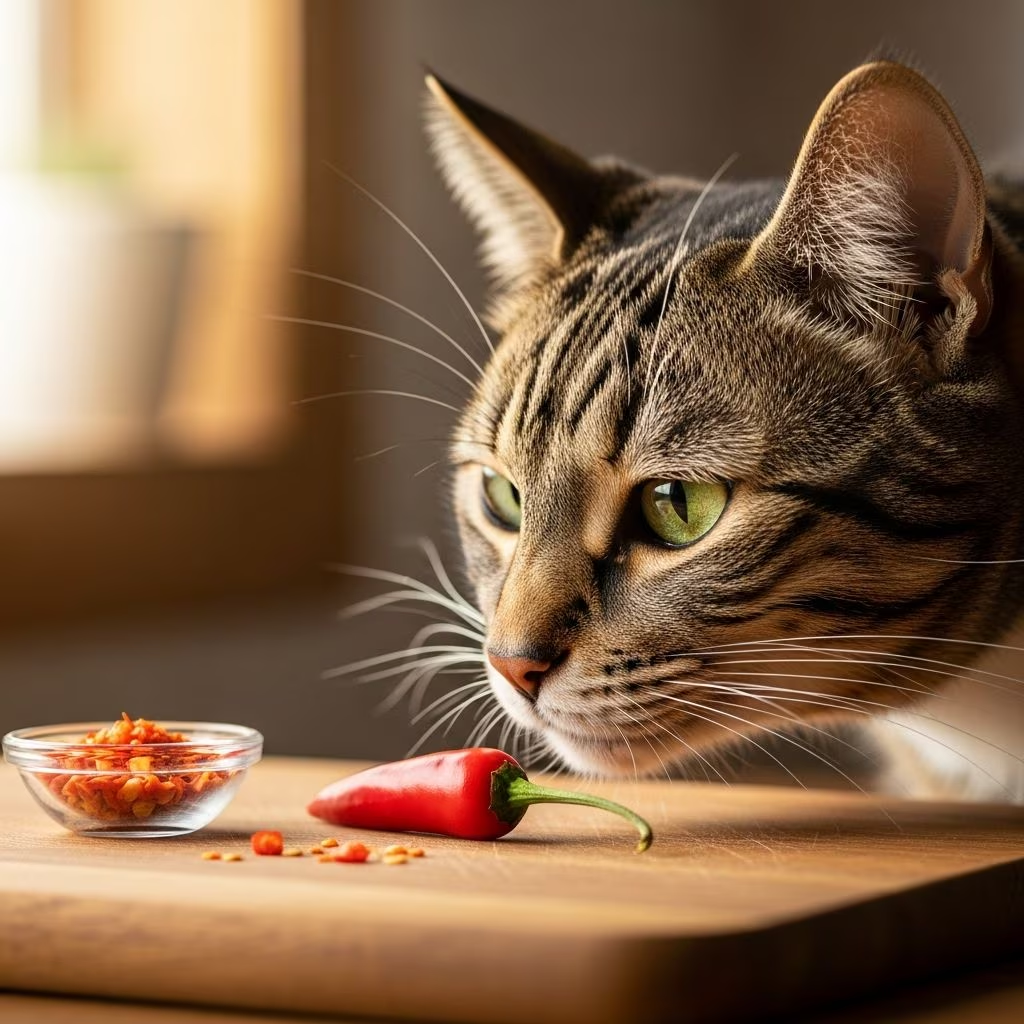
Cats possess the ability to detect spicy compounds like capsaicin through TRPV1 receptors, but they experience it as irritation or discomfort rather than a pleasurable flavor humans enjoy. This sensory response stems from their evolutionary adaptations as obligate carnivores, limiting their taste profile and making spicy foods unappealing and potentially harmful.
Can Cats Taste Spicy Food?
Cats have approximately 470-500 taste buds, far fewer than humans’ 9,000 or dogs’ 1,700, which restricts their flavor detection to primarily umami, bitter, sour, and salty tastes. They notably lack functional sweet taste receptors due to a genetic mutation in the Tas1r2 gene, a trait unique among mammals as obligate carnivores with no evolutionary need for sweetness.
Spiciness is not a basic taste but a trigeminal sensation triggered by capsaicin binding to TRPV1 (transient receptor potential vanilloid 1) receptors on pain-sensing nerves in the mouth and tongue. Cats do express TRPV1 receptors, enabling them to perceive spiciness, though their response is milder and more discomfort-oriented compared to humans. Research confirms feline TRPV1 activation leads to sensory signals interpreted as burning or pain rather than heat or flavor enhancement.
When capsaicin contacts a cat’s oral mucosa, it activates these receptors, producing a reaction akin to mild burning. However, cats’ fewer taste buds and heightened smell sensitivity mean they often reject spicy items based on aroma before tasting. Observable signs of detection include nose licking, excessive drooling, head shaking, pawing at the mouth, tail swishing, compulsive grooming, vomiting, or fleeing the food source. These behaviors indicate distress, not enjoyment.
Why Are Certain Foods Spicy?
The fiery quality of spicy foods originates from capsaicinoids, primarily capsaicin, produced by plants in the Capsicum genus (chili peppers) as a defense mechanism. Capsaicin irritates mammalian TRPV1 receptors, mimicking heat to deter seed predators while birds—lacking sensitivity—spread seeds effectively.
In cats, capsaicin similarly binds TRPV1, but their receptors may be less densely expressed or responsive, resulting in irritation without the intense ‘heat’ humans feel. This evolutionary plant defense exploits mammalian pain pathways, causing avoidance behaviors that protect the plant’s reproductive strategy.
Are Spicy Foods Bad for Your Cat?
Spicy foods pose significant risks to cats despite their detectability. Capsaicin irritates the gastrointestinal tract, leading to drooling, vomiting, diarrhea, abdominal pain, and dehydration. High-fat or salty spicy human foods exacerbate issues like pancreatitis or sodium toxicity.
Chronic exposure can inflame the mouth, esophagus, and stomach lining, potentially causing ulcers or long-term digestive sensitivity. Certain spices like onion, garlic (common in spicy dishes), or nutmeg are outright toxic, risking hemolytic anemia or neurological issues. Even non-toxic spices overload a cat’s system, unadapted to plant-based irritants as an obligate carnivore.
| Spicy Food Component | Effect on Cats | Severity |
|---|---|---|
| Capsaicin | Mouth/gut irritation, vomiting | Moderate-High |
| High Salt/Fat | Thirst, pancreatitis | High |
| Onion/Garlic | Anemia, toxicity | Toxic |
| Pepper Oils | Eye/nose sting, drooling | Moderate |
Veterinarians strongly advise against feeding spicy foods; symptoms warrant immediate vet consultation if persistent.
Why Does My Cat Seem to Love Spicy Food?
Some cats curiously approach or consume spicy items despite discomfort, often due to potent aromas overriding taste aversion. Cats rely heavily on olfaction—14 times more sensitive than humans—with over 200 million olfactory receptors versus humans’ 5 million. Strong scents from spices like garlic or chili intrigue them, prompting investigation before rejection.
Individual variation plays a role: bold personalities or poor prior experiences may lead to repeated trials. However, ‘love’ is misleading; post-consumption distress confirms dislike. Novelty or meat-masked scents in mixed foods can fool initial caution, but repetition teaches avoidance.
What Happens If Your Cat Eats Spicy Food?
Immediate reactions include excessive salivation, head shaking, pawing the mouth, retching, diarrhea, or hiding. Capsaicin lingers on fur or paws, causing self-grooming escalation and potential eye irritation. Monitor for 24-48 hours; offer water, bland food, and vet care for dehydration or bloody stools.
- Drooling/Salivation: Neutralizes irritant
- Pawing/Shaking: Removes residue
- Vomiting: Expels contents
- Diarrhea: Gut flushing
- Lethargy: Pain indicator—seek vet
Do Cats Feel Spice as Heat or Just Pain?
Cats perceive capsaicin as pain or burning via TRPV1, not literal heat, differing little from humans but with subdued intensity. Their receptors signal discomfort, potentially confusing it for injury rather than culinary thrill. No evidence suggests thermal sensation; it’s pure nociception (pain signaling).
Can Cats Taste Capsaicin or Just React?
Taste buds do not directly ‘taste’ capsaicin; TRPV1 on sensory nerves creates the sensation. Cats register irritation, not flavor, due to limited taste infrastructure focused on protein detection. Reactions stem from pain pathways, bypassing taste pleasure centers.
Myth Buster: Cat Hot Sauce and Spicy Treats
Novelty ‘cat hot sauces’ or memes are harmful parodies; real capsaicin products cause distress and GI issues. No safe spicy treats exist for cats—stick to vet-approved diets.
Frequently Asked Questions (FAQs)
Do cats have capsaicin receptors?
Yes, cats have TRPV1 receptors responsive to capsaicin, though less intensely than humans.
Can cats feel spicy food?
Yes, as irritation or pain, not enjoyable heat.
Can cats eat spicy chips?
No—spice, salt, and fats risk vomiting and toxicity.
Is pepper safe for cats?
No, black or chili pepper irritates mouth and gut.
What if my cat ate something spicy?
Monitor symptoms; provide water and contact vet if vomiting or lethargy occurs.
Why can’t cats taste sweet?
Genetic deletion of sweet receptor gene (Tas1r2) as obligate carnivores.
What’s the Verdict?
Cats detect spicy food via TRPV1 but find it distressing; avoid sharing to prevent health issues. Prioritize species-appropriate, balanced commercial or vet-guided diets for optimal feline wellness. Consult professionals for dietary concerns.
References
- Do Cats Have Capsaicin Receptors? Spicy Food Explained — Petnicki. 2023. https://www.petnicki.com/cats-capsaicin-receptors/
- Can Cats Taste Spicy Food? Our Vet Explains Risks & Facts — Catster (Veterinarian-reviewed). 2023-10-01. https://www.catster.com/ask-the-vet/can-cats-taste-spicy-food/
- Can Cats Feel Sweet And Spicy Foods? This Is What Experts Say — VOI (citing PetMD). 2023-08-30. https://voi.id/en/lifestyle/306030
- Certain Animals Tolerate Spicy Foods Better Than Others — Discover Magazine. 2009-11-01. https://www.discovermagazine.com/certain-animals-tolerate-spicy-foods-better-than-others-46785
- Can Cats Taste Something Sweet or Spicy? — Newport Veterinary Hospital. 2024. https://newportveterinary.com/blogs/can-cats-taste-something-sweet-or-spicy



