

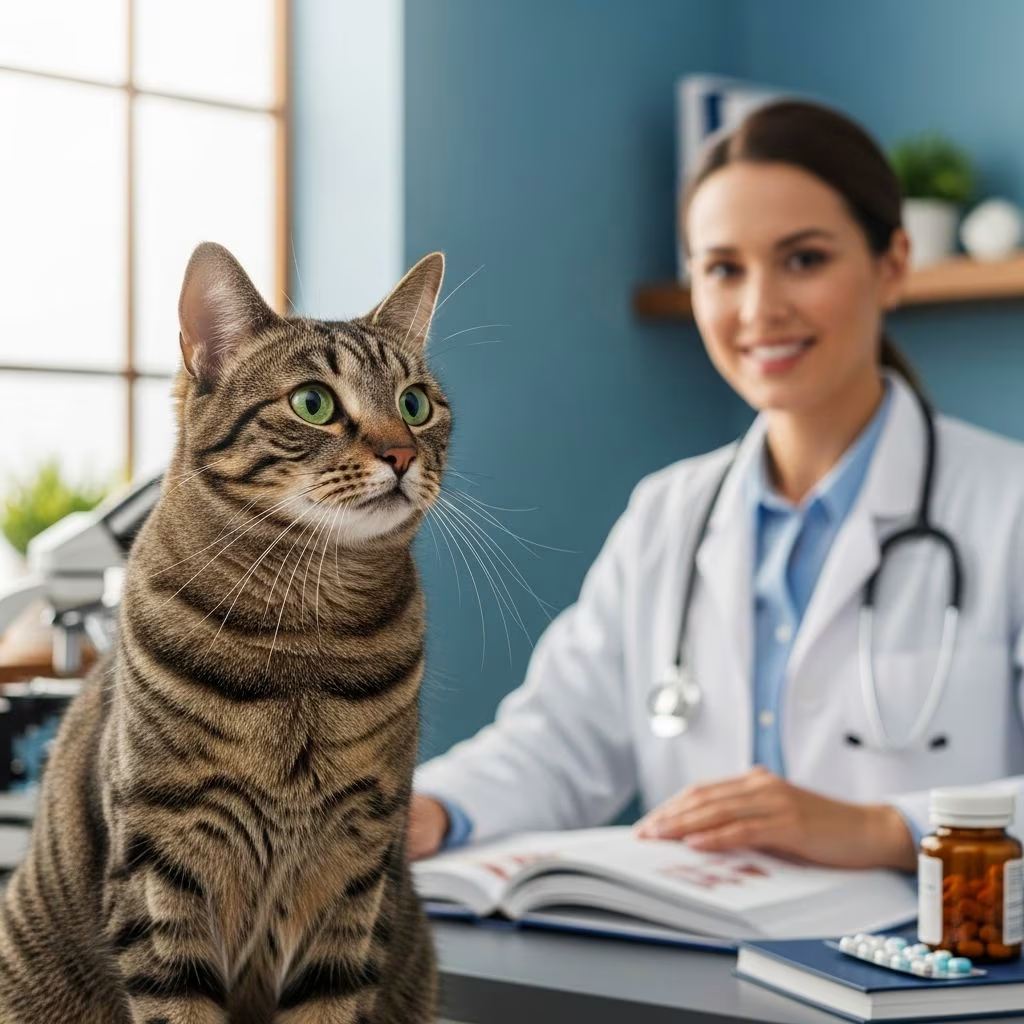
You should not give Ozempic to your cat. While this human diabetes and weight-loss drug has gained massive popularity, it is not approved or safe for felines. However, exciting research into similar GLP-1 receptor agonists, like OKV-119, is underway, showing promise for treating cat obesity and related conditions.
Cat obesity affects over 50% of pet cats worldwide, leading to serious health risks such as diabetes, arthritis, heart disease, and reduced lifespan. Owners often struggle with diet management, prompting interest in pharmaceutical solutions akin to Ozempic (semaglutide). This article breaks down why Ozempic isn’t suitable for cats, explores feline physiology differences, current research, and vet-recommended alternatives.
What Is Ozempic?
Ozempic is a brand-name medication containing semaglutide, a GLP-1 (glucagon-like peptide-1) receptor agonist. It mimics hormones that regulate blood sugar, slow gastric emptying, and promote satiety, aiding type 2 diabetes management and significant weight loss in humans.
Prescribed as weekly injections, Ozempic has transformed human obesity treatment, with users reporting 15-20% body weight reduction. Its mechanism targets GLP-1 receptors conserved across mammals, sparking curiosity for veterinary use. However, human formulations differ in dosing, delivery, and safety profiles from what cats require.
Can Cats Take Ozempic?
No, cats cannot safely take Ozempic. There are no veterinary studies confirming its efficacy or safety in felines. Cats metabolize drugs differently due to unique liver enzymes and kidney function, risking toxicity, severe gastrointestinal side effects, or ineffective dosing.
- Dosage issues: Human doses are far too high for a cat’s body weight (typically 4-5 kg vs. human averages).
- Administration challenges: Injections stress cats, potentially causing refusal or injury.
- Side effects: Vomiting, lethargy, or pancreatitis reported in off-label animal use, untested in cats.
Veterinarians strongly advise against using human medications like Ozempic on pets without explicit approval, as it violates FDA guidelines and endangers animals. Instead, consult a vet for feline-specific options.
Obesity and Diabetes in Cats
Feline obesity is an epidemic, with estimates showing 52-59% of cats overweight or obese. Excess fat leads to:
- Diabetes mellitus: Insulin resistance from fat accumulation; 1 in 5 obese cats develop it.
- Arthritis and mobility loss: Joint strain reduces activity, worsening the cycle.
- Heart and liver disease: Fatty liver (hepatic lipidosis) can be fatal if untreated.
- Shortened lifespan: Obese cats live 2-3 years less on average.
Diabetes in cats mirrors human type 2, often reversible with weight loss. Symptoms include increased thirst, urination, and appetite despite weight loss. Risk factors: indoor lifestyle, free-feeding dry food, and breed predispositions like Burmese.
| Condition | Prevalence in Obese Cats | Key Risks |
|---|---|---|
| Diabetes | 20-30% | Insulin resistance, ketoacidosis |
| Arthritis | 40% | Mobility issues, pain |
| Heart Disease | 25% | Hypertension, cardiomyopathy |
| Hepatic Lipidosis | High in rapid weight loss | Liver failure |
Owners contribute unwittingly via calorie-dense kibble and sedentary environments, unlike wild cats’ lean, active lives.
How Ozempic Works (and Why Cats Differ)
GLP-1 agonists like Ozempic bind receptors in the gut and pancreas, enhancing insulin release, suppressing glucagon, and delaying digestion for fullness. In humans, this curbs overeating.
Cats are obligate carnivores with distinct metabolism:
- Protein-centric: Rely on high-protein, low-carb diets; carbs spike blood sugar differently.
- GLP-1 conservation: Receptors similar across mammals, but feline response unproven.
- Weight loss needs: Cats must lose slowly (1-2% body weight/week) to avoid hepatic lipidosis.
Human Ozempic ignores these, potentially causing malnutrition or hepatic issues in cats.
Alternatives to Ozempic for Cats
Current vet tools for obese/diabetic cats include:
- Dietary changes: Prescription low-calorie wet food (e.g., Hill’s m/d), portion control.
- Exercise: Interactive toys, laser pointers for 20-30 min daily.
- Medications: Oral insulin alternatives like glipizide for diabetes; mirtazapine for appetite in some cases.
- Supplements: Omega-3s, L-carnitine for fat metabolism.
Success rates: 80% diabetes remission with 1-2 kg loss in 2 months.
The Future of Weight Loss in Cats
Pharma companies target GLP-1 for vets. OKAVA Pharmaceuticals leads with OKV-119, an exenatide-based implant (not semaglutide).
- MEOW-1 Trial: Dosed first cat; 12-week study on 50 overweight cats, monitoring weight/health.
- Delivery: Subcutaneous implant releases drug 4-6 months, bypassing injections.
- Results: Early study: 5% weight loss in 4 months, mimicking fasting benefits like insulin sensitivity.
- Advantages: No routine changes; preserves feeding bonds.
Safety tested in healthy cats; trial assesses tolerability. Not available soon—years from market. Other GLP-1 analogs in pipeline amid rising obesity awareness.
Frequently Asked Questions (FAQs)
What happens if I give my cat Ozempic?
Severe risks include vomiting, dehydration, organ damage, or death. Never administer human drugs to pets.
How do I know if my cat is obese?
Can’t feel ribs easily, no waist visible, belly sags. Vet body condition score confirms.
Can cat diabetes be reversed?
Yes, 80-90% cases remit with 10-20% weight loss via diet/exercise.
When will Ozempic-like drugs be available for cats?
OKV-119 trials ongoing; 2-5 years minimum pending FDA approval.
What are the best ways to help my cat lose weight now?
Switch to measured wet food, add playtime, vet-prescribed diet. Aim 1% weekly loss.
Final Thoughts
Ozempic revolutionizes human health but remains off-limits for cats due to safety gaps. With obesity rampant, innovations like OKV-119 signal a brighter future for feline weight management. Prioritize vet guidance for diet, monitoring, and emerging therapies to extend your cat’s healthy years. Early intervention prevents irreversible damage—schedule a check-up today.
References
- Chonky Kitties Beware: Ozempic for Cats Is on the Way — VICE. 2025. https://www.vice.com/en/article/chonky-kitties-beware-ozempic-for-cats-is-on-the-way/
- Biotech Firm Trials Ozempic-Inspired Treatment for Overweight Cats — Firstpost (YouTube). 2025-12-15. https://www.youtube.com/watch?v=Eqe2SbbAH-4
- ‘Ozempic’ For Cats: Vets Test Weight-Loss Drug On Overweight Felines — NDTV. 2025. https://www.ndtv.com/science/ozempic-for-cats-vets-test-weight-loss-drug-on-overweight-felines-9794071
- Can Cats Take Ozempic? Our Vet Explains — Catster. 2025. https://www.catster.com/ask-the-vet/can-cats-take-ozempic/
- Weight loss drugs for cats? Company launches clinical trial of GLP-1 — Good Morning America. 2025. https://www.goodmorningamerica.com/wellness/story/weight-loss-drugs-cats-company-launches-clinical-trial-128054236



