

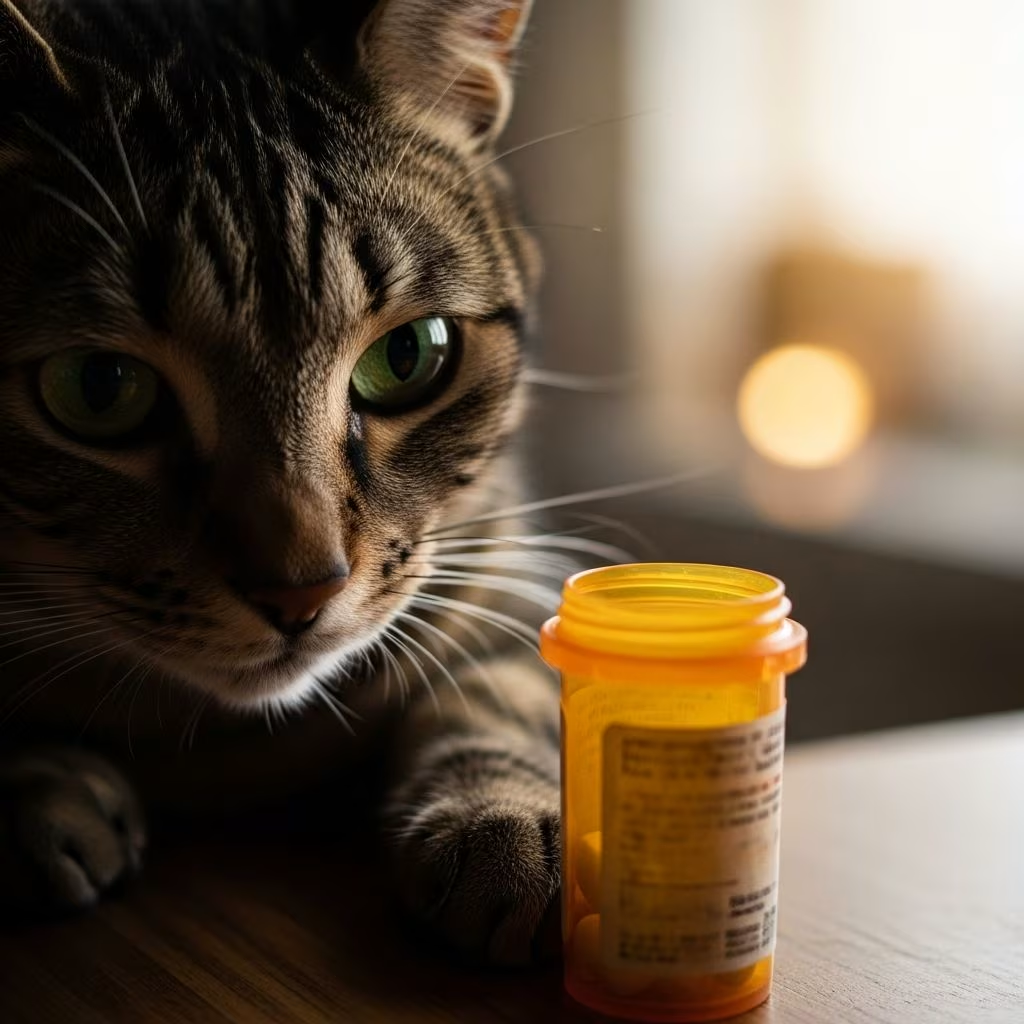
Human antibiotics are not safe for cats without specific veterinary prescription and dosing due to differences in metabolism, size, and potential toxicity risks. While some antibiotics like amoxicillin may be used in cats under professional guidance, self-administering human medications can lead to severe side effects, treatment failure, or antibiotic resistance.
Why You Should Never Give Your Cat Human Antibiotics Without Vet Approval
Cats metabolize drugs differently from humans, making human-dosed antibiotics potentially toxic. A standard human dose, such as 500mg of amoxicillin, is excessively high for a typical 10-pound cat, often causing gastrointestinal upset, vomiting, or diarrhea. Vets consider factors like the cat’s weight, age, infection type, and metabolic rate before prescribing, ensuring the correct antibiotic targets the bacteria without harm.
Improper use contributes to antibiotic resistance, where bacteria evolve to survive treatments, complicating future infections for pets and humans alike. Always consult a vet; self-treatment risks worsening the condition or masking symptoms needing urgent care.
How Vets Decide on Antibiotics for Cats
Veterinarians diagnose via exams, tests, or cultures to confirm bacterial infections, as viruses or fungi don’t respond to antibiotics. They select species-appropriate drugs, dosages, and durations to maximize efficacy and minimize resistance. Off-label human antibiotics may be used if no feline-specific option exists, but only with consent and precise calculations.
Common Antibiotics Used for Cats (Some Shared with Humans)
Several antibiotics safe for cats overlap with human use but require vet-adjusted dosing:
- Amoxicillin: Effective for respiratory, skin, and urinary infections; common first-line choice but dosing must be precise (e.g., 5-10mg/lb every 12-24 hours).
- Amoxicillin-Clavulanate (Clavamox): Broad-spectrum for resistant bacteria; protects amoxicillin from breakdown.
- Clindamycin: Treats dental, bone, and soft tissue infections; useful for anaerobes.
- Cephalexin: Good for skin and urinary issues; first-generation cephalosporin.
- Trimethoprim-Sulfa: For urinary tract infections; monitors for kidney effects.
Fluoroquinolones like enrofloxacin (Baytril) are vet-formulated for cats, unlike human ciprofloxacin, which cats metabolize poorly. Tetracyclines are avoided in kittens due to tooth discoloration and bone growth interference.
Human Antibiotics That Are Dangerous for Cats
Not all human antibiotics suit cats:
- Ciprofloxacin: Poor metabolism leads to inefficacy and toxicity risks.
- Tetracycline (human form): Causes enamel hypoplasia in young cats and issues in liver/kidney disease.
- High-dose human formulations: Overdose risks like neurotoxicity or organ damage.
Even ‘safe’ ones become hazardous without proper dosing or if the cat has allergies, pregnancy, or comorbidities.
Safe Dosage of Antibiotics for Cats
Dosages vary by drug, cat size, and condition; examples (vet-determined only):
| Antibiotic | Typical Dose (mg/lb) | Frequency | Common Uses |
|---|---|---|---|
| Amoxicillin | 5-10 mg/lb | Every 12-24 hours | Respiratory, UTI |
| Clindamycin | 1-5 mg/lb | Every 12 hours | Dental infections |
| Cephalexin | 10-15 mg/lb | Every 12 hours | Skin infections |
| Trimethoprim-Sulfa | 5 mg/lb (sulfa part) | Every 12 hours | Urinary infections |
These are illustrative; never administer without vet confirmation. Overdosing amplifies side effects, underdosing fosters resistance.
Risks and Side Effects of Antibiotics in Cats
Even vet-prescribed antibiotics carry risks:
- Gastrointestinal: Vomiting, diarrhea (often from gut flora disruption); probiotics may help.
- Allergic reactions: Rash, swelling, anaphylaxis; rare but serious.
- Kidney/Liver strain: In cats with pre-existing conditions.
- Chronic diarrhea: Can persist weeks post-treatment.
- Yeast overgrowth: Secondary to bacterial die-off.
Kittens, pregnant queens, and seniors face heightened risks like developmental issues or toxicity. Symptoms of overdose include lethargy, seizures, or metabolic disturbances.
What to Do if Your Cat Accidentally Gets Human Antibiotics
Act immediately: Contact your vet or an emergency clinic. Induce vomiting only if instructed. Monitor for lethargy, vomiting, seizures, or behavior changes. Provide details on drug, amount, and time ingested. Toxins like high-dose penicillins demand prompt intervention to prevent organ damage.
Vet-Approved Alternatives to Human Antibiotics
Feline-specific formulations ensure safety:
- Convenia (Cefovecin): Long-acting injection for skin infections; lasts 14 days.
- Baytril (Enrofloxacin): For respiratory and urinary issues.
- Synulox (Clavamox generic): Tablets or liquid.
Non-antibiotic options include supportive care, antifungals, or antivirals for non-bacterial issues.
Preventing Infections in Cats
Proactive steps reduce antibiotic needs:
- Vaccinations against common bacteria/viruses.
- Regular vet check-ups and dental cleanings.
- Balanced diet supporting immunity.
- Parasite control to prevent secondary infections.
- Clean litter boxes and stress reduction.
Frequently Asked Questions (FAQs)
Can I give my cat human amoxicillin?
Human amoxicillin can be used in cats if vet-prescribed at correct feline dosage; never use your own due to overdose risks.
Which antibiotics are safe for cats?
Safe options include amoxicillin, clindamycin, cephalexin, and trimethoprim-sulfa when dosed by a vet for the right condition.
Can I give my cat 500mg of amoxicillin?
No, 500mg is dangerously high for cats; it causes side effects without therapeutic benefit.
What if my cat ingests human antibiotics accidentally?
Seek emergency vet care immediately; symptoms like vomiting or lethargy require urgent treatment.
Are antibiotics safe for kittens or pregnant cats?
Extra caution needed; some like tetracyclines are avoided to prevent developmental harm.
Conclusion
While some human antibiotics overlap with feline treatments, never administer them without veterinary oversight. Risks outweigh any convenience, potentially harming your cat or fueling resistance. Prioritize professional diagnosis for safe, effective care.
References
- Is it safe to give my cat human penicillin, and how much should I give? — Dial A Vet. 2023. https://www.dialavet.com/vet-answers/cat-human-penicillin-safety-dosage-139747
- Can You Give Cats Human Antibiotics? — Cats.com. 2023. https://cats.com/can-you-give-cats-human-antibiotics
- Can Cats Take Human Antibiotics — Pet Poison Helpline. 2023. https://www.petpoisonhelpline.com/pet-tips/can-cats-take-human-antibiotics/
- Antibiotics for cats — Joii Pet Care. 2023. https://www.joiipetcare.com/blogs/procedures-and-medication/antibiotics-for-cats
- Antibiotics for Cats: What You Need to Know — Purina. 2023. https://www.purina.com/articles/cat/health/symptoms/antibiotics-for-cats



