

Can Cats Swim? Myths and Facts Explained
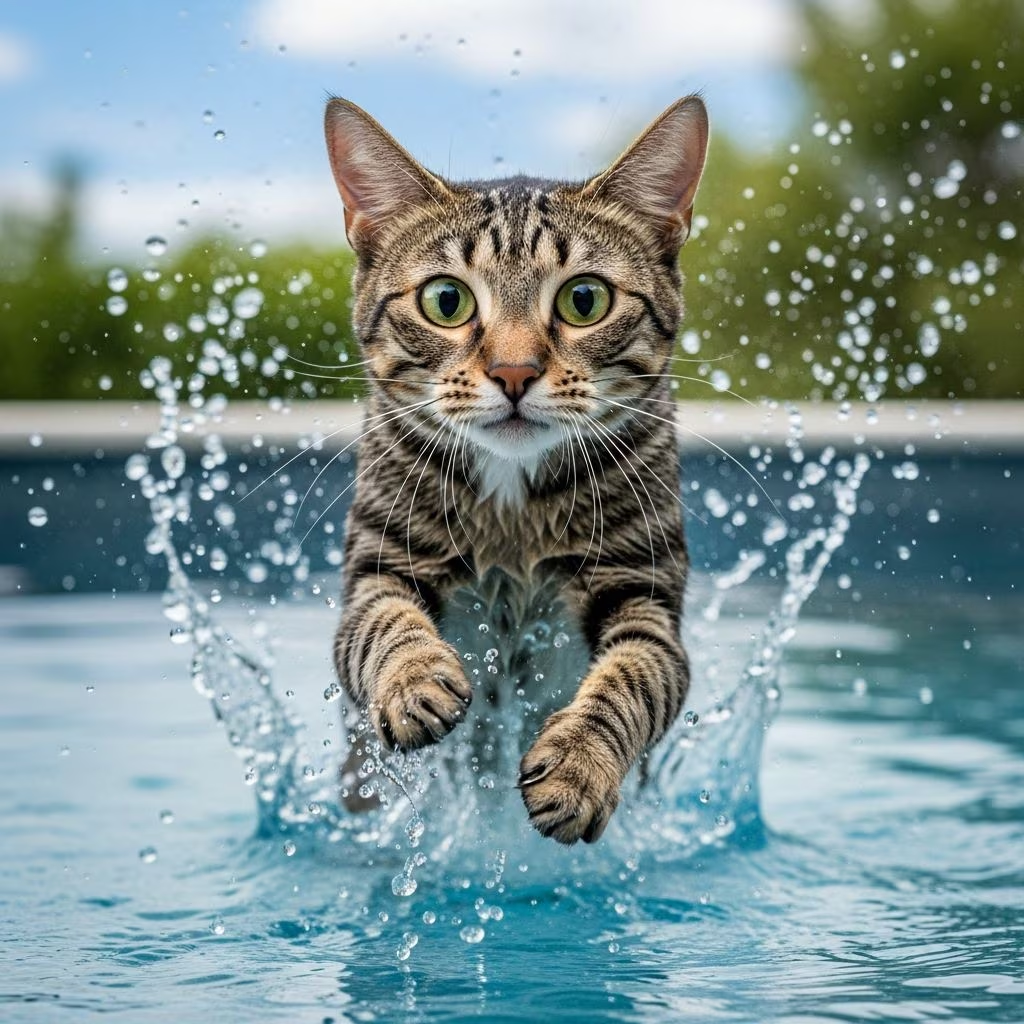
Despite the popular belief that cats cannot swim, the reality is quite different. All cats possess an innate ability to swim, even though most would prefer to avoid water altogether. Your house cat can swim if unexpectedly placed in deep water, like a bathtub or pond. However, the ability to swim and the desire to swim are two entirely different matters when it comes to felines.
The misconception that cats cannot swim likely stems from their obvious aversion to water. Many cat owners have witnessed their pets desperately resist bath time, clawing and thrashing to escape the tub. This resistance has led many people to assume that cats lack the physical ability to swim. However, veterinary experts confirm that swimming is a natural instinct for all felines, regardless of their domestication status.
Do Cats Know How to Swim?
According to veterinary professionals, cats naturally know how to swim “in a pinch.” This means that while all cats can swim, they will rarely want to swim. The instinctive ability to paddle their feet and keep their heads above water is hardwired into feline biology, a skill inherited from their wild ancestors.
Even kittens possess this swimming ability from birth. Young cats instinctively know how to stay afloat until their small bodies run out of strength. This innate knowledge is not something cats learn through practice or training; rather, it is an evolutionary adaptation that has persisted through domestication.
The reason cats possess this natural ability relates to their evolutionary history. Ancient wild cats, despite originating from desert areas where swimming was not necessary for survival, still evolved to instinctively know how to paddle and maintain buoyancy. Many wild cats throughout history have swum across rivers and lakes to track prey, escape predators, or navigate their territories.
Swimming Abilities Vary by Individual and Breed
While all cats can technically swim, not all cats are skilled swimmers. Some cats panic when placed in water, which can lead them to ingest water and experience distress. Certain breeds with physical limitations, such as Munchkins, may find that their short limbs are not efficient paddles in the water.
Interestingly, some cat breeds have been specifically associated with water enjoyment and strong swimming abilities. These breeds often possess coat characteristics or ancestral hunting behaviors that made water interaction beneficial. Understanding these breed differences can help cat owners better appreciate their pets’ natural inclinations toward or away from aquatic environments.
Why Do Most Cats Avoid Water?
Despite their natural swimming ability, most domestic cats develop an aversion to water. According to certified feline behavior consultants, this resistance can be attributed to three key reasons.
Weight and Vulnerability
A significant reason cats avoid water is the effect of moisture on their fur. When a cat’s coat becomes saturated with water, it becomes heavy and weighs them down considerably. This is a major concern for cats because they are both predators and prey animals in the natural world. Agility and speed are top priorities for cats’ survival, and soggy coats significantly impair these essential abilities.
Beyond mobility issues, a wet coat makes cats feel vulnerable. Cats instinctively understand that reduced mobility and compromised drying ability could make them easier targets for predators. This vulnerability creates genuine stress for many felines.
Temperature Regulation and Drying Time
Water interferes with cats’ natural temperature regulation systems. Cats are incredible self-groomers and maintain their body temperature through their grooming routines and the properties of their dry coats. When water saturates their fur, it disrupts the natural oil barrier on their skin and coat, which can lead to infections and temperature fluctuations.
Additionally, cats with long, thick fur experience particularly long drying times. The extended period required for complete drying creates discomfort and further contributes to their reluctance toward water exposure.
Sensory Sensitivity
Cat whiskers are packed with nerve endings that help them detect subtle changes in their environment. When whiskers become wet, this can create an overstimulating or uncomfortable sensation. Furthermore, water can impact the normal oil barrier on their skin, leading to discomfort and potential skin issues.
Physical Demands and Learned Behavior
Swimming requires significant physical strength and energy expenditure. For many cats, the effort involved in swimming is simply not worth the potential benefits. Additionally, negative past experiences with water—such as falling into a pool or being sprayed with a hose—can create lasting trauma that makes cats permanently averse to water.
Signs Your Cat Might Enjoy Swimming
Not all cats dislike water. Some felines show clear signs of enjoying aquatic activities. Recognizing these signs in your cat can help you determine whether water-based activities might be appropriate.
- Bathtub or shower interest: If your cat tries to get in the tub or shower with you, they likely enjoy water and might appreciate swimming opportunities
- Water play behavior: Cats who like to play in their water bowl or fountain show water-loving tendencies
- Toy interaction in water: Cats that enjoy batting at toys in the sink or tub demonstrate comfort with water
- Curiosity about moving water: Cats naturally drawn to dripping or flowing water sources may enjoy aquatic activities
- Outdoor water interest: Some cats enjoy boating and may even live on houseboats or yachts, indicating genuine comfort with water environments
It is important to note that not all cats need to swim to safely enjoy water or outdoor activities. Many water-loving behaviors, such as playing with fountains or dripping faucets, satisfy cats’ aquatic interests without requiring full swimming.
Cat Breeds That Enjoy Water
Certain cat breeds have demonstrated a stronger affinity for water than typical domestic cats. These breeds often possess unique coat characteristics or ancestral connections to aquatic environments that make water interaction more appealing.
| Breed | Water Affinity | Reason |
|---|---|---|
| Turkish Van | High | Known as the “swimming cat”; water-repellent coat and hunting heritage involving fish |
| Maine Coon | High | Larger size and historical exposure to water environments |
| Bengal | High | Wild ancestry and natural hunting instincts around water |
| Egyptian Mau | Moderate-High | Enjoys warm water swimming and running near water sources |
| Manx | Moderate | Traditional water interaction behaviors |
The Turkish Van breed is particularly notable for its water-loving nature. This breed typically lacks an undercoat and develops a thick, dense winter coat with a thinner summer coat. These coat characteristics, combined with their ancestral connection to Lake Van in Turkey and their history of hunting fish, may explain their exceptional comfort with water.
Water Safety: Pools and Chemical Concerns
If your cat does swim or accidentally encounters water, understanding water safety is crucial for their health and wellbeing.
Chlorine Pool Dangers
You should not allow your cat to swim in pools containing chlorine. According to veterinary toxicologists, ingesting pool water can cause vomiting and drooling in cats. The danger extends beyond the initial pool exposure. Cats instinctively groom their fur after getting wet, which means they will ingest chlorine and other pool chemicals during their self-cleaning process.
Ocean Water Risks
Swimming in the ocean with your cat presents additional hazards beyond those found in pools. Ocean environments introduce strong currents, rip tides, shallow areas that can quickly become deep, and unfamiliar wildlife. Additionally, ingesting too much salt water can lead to salt poisoning, which can be seriously harmful to your cat.
Post-Swimming Care
If your cat takes a swim in any body of water, thorough rinsing is essential. Chemicals in pools and bacteria in other bodies of water can be harmful to your pet. Additionally, always wipe out your cat’s ears to prevent water-related infections. While cats generally do a good job of keeping water out of their ears, they are not always successful, and you should help prevent potential ear infections.
Frequently Asked Questions
Q: Can all domestic cats swim?
A: Yes, all domestic cats instinctively know how to swim. However, their swimming skills and enjoyment of water can vary significantly based on individual personality, breed, and past experiences.
Q: Why do cats hate water if they can swim?
A: Cats’ aversion to water is not about inability to swim. Rather, it relates to how water affects their mobility, temperature regulation, coat health, and sensory comfort. Additionally, they evolved in desert environments where water interaction was unnecessary.
Q: Can cats swim in the ocean?
A: You should not swim in the ocean with your cat. The ocean presents extra dangers including strong currents, rip tides, rapidly changing depths, unfamiliar wildlife, and salt water ingestion risks that can lead to salt poisoning.
Q: Are there cat breeds that actually enjoy swimming?
A: Yes, certain breeds like Turkish Van, Maine Coon, Bengal, Egyptian Mau, and Manx have shown greater affinity for water due to their coat characteristics and ancestral backgrounds.
Q: What should I do if my cat accidentally falls in water?
A: If your cat falls into a pool or other water body, remove them promptly and rinse off any chemicals. Dry them thoroughly and monitor for any signs of distress. Always ensure their ears are cleaned to prevent infections.
Q: Is it safe to bathe my cat at home?
A: While cats are self-cleaning and typically do not require baths, if bathing is necessary, use lukewarm water and limit exposure. Rinse thoroughly and dry completely afterward.
References
- Can Cats Swim and Do Cats Hate Water? Cat Myths Busted — Kinship. 2025. https://www.kinship.com/cat-behavior/can-cats-swim
- Do Cats Naturally Know How to Swim? — Cats.com. 2024. https://cats.com/can-cats-swim
- Can Cats Swim? Facts & Theories That Might Surprise You — My Lovely Feline. 2024. https://mylovelyfeline.com/blogs/content/can-cats-swim-facts-theories-that-might-surprise-you
- Why Do Cats Hate Water? — Chewy. 2024. https://www.chewy.com/education/cat/training-and-behavior/why-cats-hate-water
- Can Your Cat Swim? — Beverly Hills Veterinary Associates. 2024. https://www.beverlyhillsvets.com/blog/can-and-should-cats-swim-yes-and-yes/
- Dispelling Myths: Can Cats Actually Swim? — PetPlace.com. 2024. https://www.petplace.com/article/cats/pet-behavior-training/can-cats-swim
- Do Cats Fear The Water? — Pet Health Network. 2024. https://www.pethealthnetwork.com/cat-health/cat-behavior/do-cats-fear-water



