

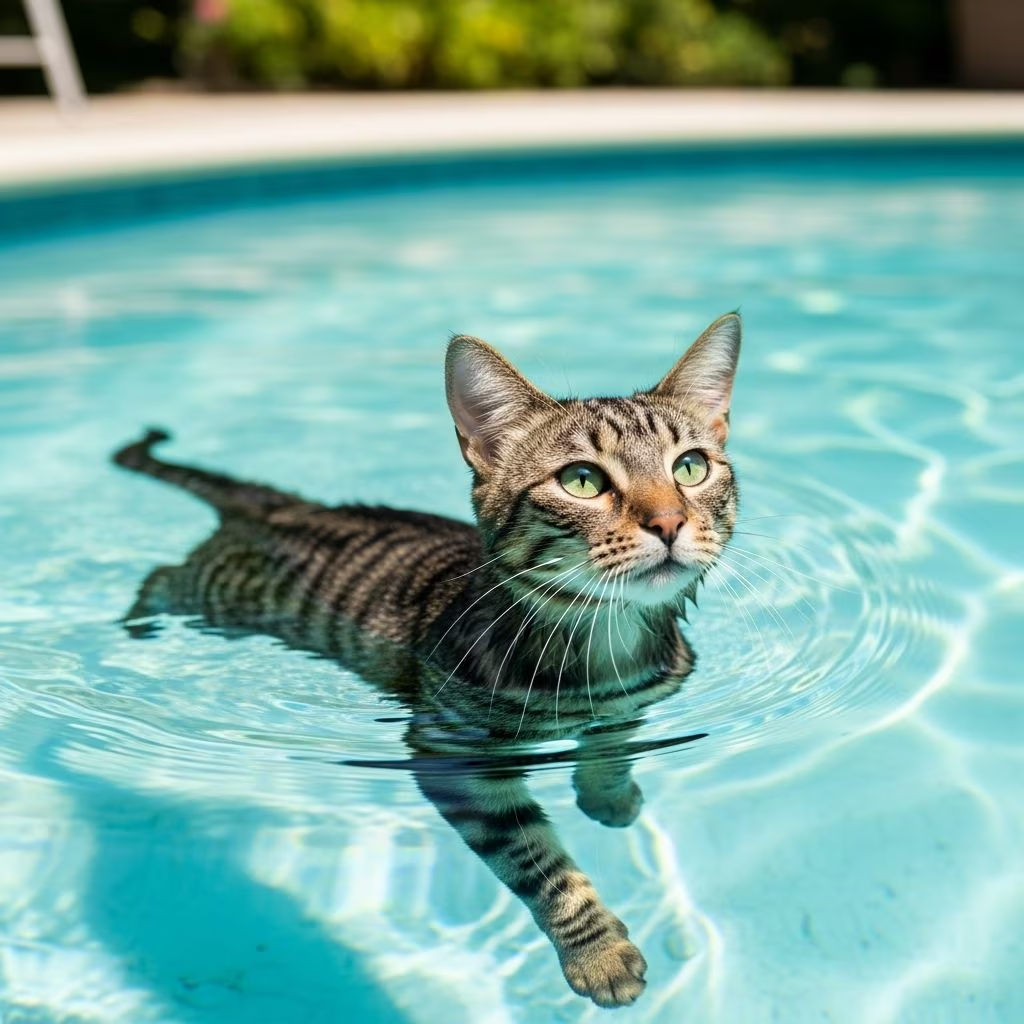
Can Cats Swim and Do Cats Hate Water? Cat Myths Busted
One of the most persistent myths about cats is that they cannot swim or are fundamentally afraid of water. However, the reality is far more nuanced. While all cats possess the natural ability to swim, their willingness to enter water is an entirely different matter. Understanding the distinction between swimming ability and swimming preference is crucial for cat owners who want to keep their feline companions safe around water.
Do Cats Know How to Swim?
The short answer is yes—cats naturally know how to swim. According to veterinary experts, cats instinctively understand how to paddle their feet and keep their heads above water, even if they have never practiced swimming before. This innate ability exists across all domestic cat breeds, from the tiniest house cat to larger felines.
Even house cats can swim if they unexpectedly find themselves in deep water, such as a bathtub or swimming pool. Kittens, despite their small size and limited strength, also possess this natural swimming instinct. However, it is important to note that not all cats are equally skilled swimmers. Some breeds may struggle more than others due to physical characteristics, and individual cats may panic when placed in water, leading to dangerous situations where they might ingest water or exhaust themselves quickly.
The evolutionary history of cats supports this swimming ability. Researchers believe that while the oldest cats evolved in desert regions and had limited exposure to water, they still developed the instinctive knowledge to swim. Throughout history, wild cats have swum across rivers and lakes to track prey, escape predators, and navigate their territories. This ancestral need for swimming ability remains encoded in the DNA of modern domestic cats.
Big cats provide clear evidence of feline swimming prowess. Tigers are renowned swimmers capable of traveling up to 9 miles at a time. Jaguars and lions also demonstrate strong swimming abilities, often entering rivers to hunt prey along riverbanks. Many big cats that inhabit warmer climates regularly enjoy swimming as a way to cool off and relax, much like humans. However, big cats living in colder climates, such as snow leopards and pumas, tend to avoid swimming because water evaporating from their coats would cause dangerous heat loss.
Why Most Cats Avoid Water
Despite their natural swimming ability, the vast majority of domestic cats actively avoid water. This aversion is not a sign of inability but rather a combination of instinctive and practical reasons. Understanding why cats dislike water helps owners appreciate their feline companions’ behavior and make better decisions about water safety.
Key Reasons Cats Avoid Water:
- Wet fur reduces agility: A soggy cat is a vulnerable cat. When a cat’s fur becomes saturated with water, it becomes heavy and weighs the animal down significantly. This compromises a cat’s natural agility and speed—two critical traits that enable them to function as both predators and prey. A soaking wet coat makes cats feel vulnerable and defenseless, which triggers their instinct to avoid water altogether.
- Unfamiliar territory triggers caution: Domestic cats evolved from wild ancestors in the Middle East that had minimal exposure to bodies of water. This evolutionary history means cats lack the deep familiarity with water that some other animals possess. When cats encounter unfamiliar situations, they naturally respond with caution or fear as a survival mechanism.
- Disruption of grooming and temperature regulation: Cats are meticulous self-groomers who maintain their coat through constant licking. Water interferes with this essential grooming process and can damage the natural oil barrier on their skin and coat, leading to potential infections. Additionally, water affects a cat’s ability to maintain comfortable body temperature through their grooming routine.
- Overstimulation of whiskers: Cat whiskers contain numerous nerve endings that help them detect subtle environmental changes. When whiskers become wet, they can create an uncomfortable or overstimulating sensation that cats find unpleasant.
- Temperature sensitivity: Many cats dislike being cold, and wet fur makes them feel colder. Some cats simply prefer staying warm and dry.
- Physical exertion required: Swimming demands considerable strength and energy expenditure. Cats may avoid water because they instinctively understand the physical toll it takes.
- Negative past experiences: Some cats develop water aversion due to traumatic incidents, such as falling into a pool or being sprayed with a hose. Once a negative experience occurs, cats often cannot forget it and may avoid water for the rest of their lives.
Signs Your Cat Might Enjoy Swimming
While most cats avoid water, some individuals and certain breeds show genuine interest in aquatic activities. Recognizing these signs can help owners determine whether their cat might be among the water-loving minority.
If your cat tries to get into the tub or shower with you, this is a positive indicator that they may enjoy swimming. Similarly, cats who like to play in their water bowl, interact with water fountains, or enjoy batting at toys in the sink or bathtub often show signs of water enjoyment. Some cats are naturally curious about moving water and find the experience stimulating rather than frightening.
Interestingly, many cats enjoy boating and some even live permanently on houseboats or yachts. These cats have become comfortable with water through gradual exposure and positive experiences. However, it is essential to remember that not all cats need to swim to safely enjoy water or outdoor activities. Cats can appreciate a water-rich environment without actively swimming in it.
Cat Breeds That Enjoy Water
Certain cat breeds have developed a particular affinity for water due to their evolutionary history and physical characteristics. These breeds defy the stereotype of cats hating water:
- Turkish Van: Also known as the swimming cat, Turkish Vans have water-repellent coats without an undercoat. They feature a thick, dense winter coat that becomes thinner in summer. These cats were historically adapted to hunt for fish in Lake Van, Turkey, which may explain their natural love of water.
- Maine Coon: These large, robust cats are strong swimmers who often enjoy water activities.
- Bengal: With their wild ancestry, Bengals retain strong hunting instincts and often enjoy water play.
- Manx: This breed is known for its affinity for water and swimming.
- Egyptian Mau: Capable of running speeds up to 30 miles per hour, Egyptian Maus are known to enjoy swimming in warm water.
Water Safety Concerns for Cats
Can Cats Swim in Chlorine Pools?
No, you should not allow your cat to swim in pools containing chlorine. Ingesting pool water can cause vomiting and drooling in cats. The danger persists even after your cat exits the pool, as cats instinctively groom themselves after getting wet. During this grooming process, they ingest chlorine and other pool chemicals, which can lead to serious health issues.
Ocean Water Safety
Swimming in the ocean with your cat is not recommended. The ocean presents multiple dangers for swimming cats, including strong currents, rip tides, shallow areas that can suddenly become deep, and unfamiliar wildlife. Additionally, ingesting too much salt water can lead to salt poisoning, a potentially life-threatening condition.
General Water Safety Guidelines
If your cat does accidentally end up in water, rinse them thoroughly afterward to remove chemicals, bacteria, or salt. Be sure to wipe out their ears carefully to prevent infections, as water can become trapped in the ear canal. While cats are generally good at keeping water out of their ears, they appreciate assistance in drying them properly.
When bathing a cat (if absolutely necessary), always use lukewarm water and limit exposure time. Never force a cat into water, as this can create lasting negative associations and trauma.
Frequently Asked Questions
Q: Can domestic cats swim?
A: Yes, all domestic cats instinctively know how to swim. Their swimming skills and enjoyment of water can vary by individual and breed, but every cat possesses the natural ability to paddle and stay afloat if necessary.
Q: Can cats swim in the ocean?
A: No, you should not swim in the ocean with your cat. Ocean swimming poses multiple dangers including strong currents, rip tides, shallow areas that become deep unexpectedly, unfamiliar wildlife, and the risk of salt poisoning from ingesting salt water.
Q: Why do cats hate water if they can swim?
A: Cats dislike water for multiple reasons: wet fur makes them heavy and vulnerable, water disrupts their grooming and temperature regulation, whisker stimulation becomes uncomfortable, and their ancestors had minimal water exposure. Additionally, negative past experiences can create lasting water aversion.
Q: Are there cat breeds that actually like water?
A: Yes, certain breeds enjoy water more than others, including Turkish Vans, Maine Coons, Bengals, Manx cats, and Egyptian Maus. These breeds either have water-repellent coats or evolved in environments where swimming was beneficial for hunting.
Q: What should I do if my cat accidentally falls in water?
A: Rinse your cat thoroughly with fresh water to remove any chemicals, salt, or contaminants. Dry them completely and gently clean their ears to prevent infections. Monitor your cat for any signs of distress or illness, and contact your veterinarian if you notice any concerning symptoms.
Q: Can cats drown?
A: Yes, cats can drown, especially if they panic in water or become exhausted. While they possess natural swimming instincts, shock, fear, or physical limitations can prevent them from using these abilities effectively. Always supervise cats around water and provide safety measures such as pool covers or barriers.
References
- Can Cats Swim and Do Cats Hate Water? Cat Myths Busted — Kinship. Accessed January 2026. https://www.kinship.com/cat-behavior/can-cats-swim
- Do Cats Naturally Know How to Swim? — Cats.com. Accessed January 2026. https://cats.com/can-cats-swim
- Why Do Cats Hate Water? — Chewy Education. Accessed January 2026. https://www.chewy.com/education/cat/training-and-behavior/why-cats-hate-water
- Can Your Cat Swim? — Beverly Hills Veterinary Associates. Accessed January 2026. https://www.beverlyhillsvets.com/blog/can-and-should-cats-swim-yes-and-yes/
- Can Cats Swim? Facts & Theories That Might Surprise You — My Lovely Feline. Accessed January 2026. https://mylovelyfeline.com/blogs/content/can-cats-swim-facts-theories-that-might-surprise-you
- Dispelling Myths: Can Cats Actually Swim? — PetPlace.com. Accessed January 2026. https://www.petplace.com/article/cats/pet-behavior-training/can-cats-swim
- 9 Cat Breeds That Enjoy Water Activities — World Animal Foundation. Accessed January 2026. https://worldanimalfoundation.org/cats/cat-breeds-that-enjoy-water-activities/



