

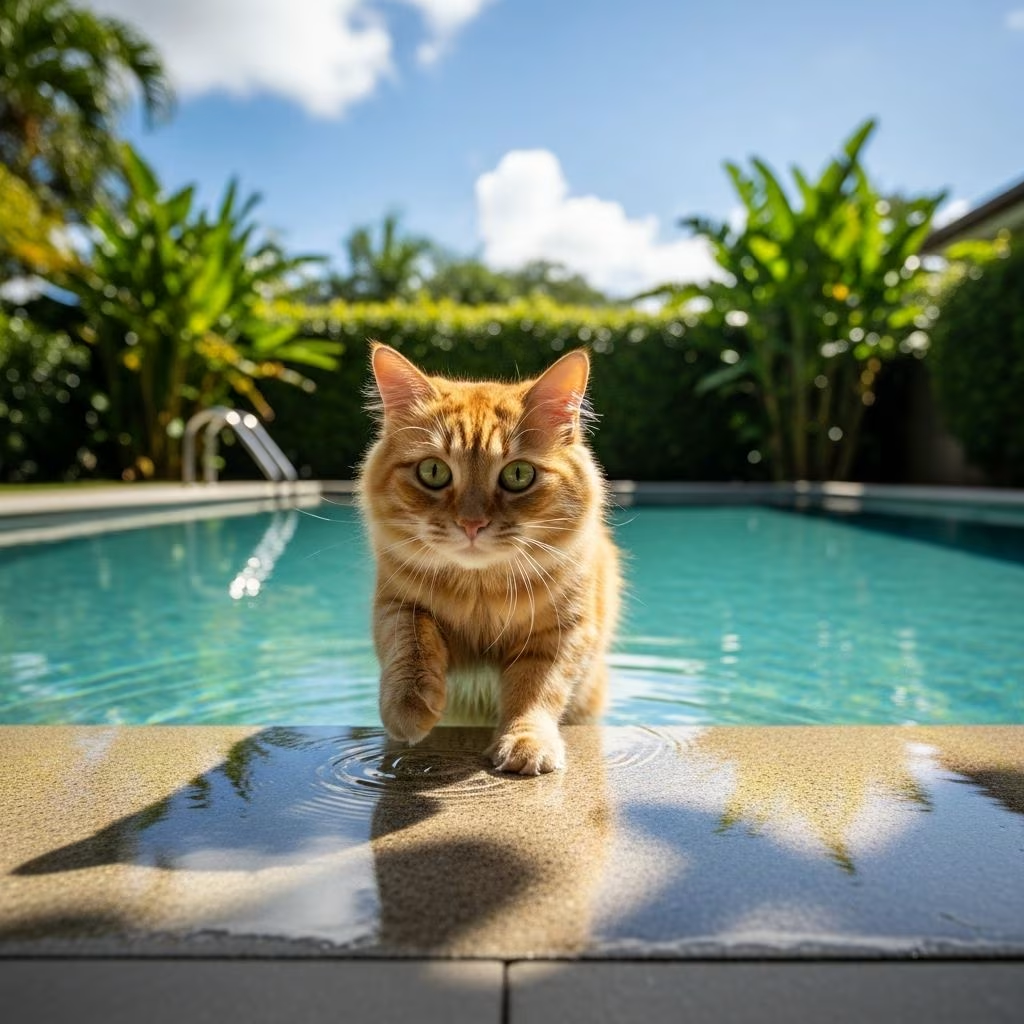
Cats are often stereotyped as hating water, but the reality is more nuanced: most cats can swim instinctively as a survival mechanism, though many dislike it due to their fur becoming heavy and uncomfortable when wet. This comprehensive guide debunks myths, explores feline swimming abilities, highlights breeds that enjoy water, discusses risks, and provides practical tips for safe water exposure.
The Myth of Cats Hating Water
The idea that all cats despise water stems from domestic cats’ ancestry as desert-dwelling felines from the Middle East, like the African wildcat, which had little exposure to bodies of water beyond drinking. These cats self-groom effectively using saliva, which evaporates to regulate body temperature, making water baths unnecessary and uncomfortable as wet fur weighs them down and takes hours to dry.
However, not all cats share this aversion. Big cats in warmer climates, such as tigers, jaguars, and cougars, are proficient swimmers who use water to cool off and hunt. Tigers, in particular, are award-winning swimmers, traversing rivers for prey or territory. Domestic cats inherit this paddling reflex; veterinarian Dr. Preston Turano notes that all cats can swim ‘in a pinch’ if thrust into deep water, like a bathtub, though skill and willingness vary.
Can All Cats Swim Naturally?
Yes, cats possess an innate swimming ability driven by survival instincts. Their paddle-like motion activates in ‘flight mode,’ allowing them to stay afloat even without prior training. Distance depends on breed, experience, and panic levels—some swim efficiently, while others, like short-legged Munchkins, struggle with paddling.
Wild relatives illustrate this: the fishing cat from Asia excels in water, diving for fish near wetlands, as documented by the San Diego Zoo. Domestic cats may not seek water, but unexpected immersion triggers their reflex. Panicking cats risk inhaling water, leading to exhaustion or drowning, especially in deep or chlorinated environments.
Breeds That Love Water: The Swimming Cats
While most cats avoid voluntary swims, certain breeds embrace water due to genetics, coat structure, or history:
- Turkish Van: Nicknamed the ‘swimming cat,’ this breed from Lake Van, Turkey, has a water-repellent, cashmere-like coat without a dense undercoat. They thin out in summer for swimming and fish-hunting, often leaping into pools joyfully.
- Turkish Angora: Similar to the Van, these elegant cats enjoy splashing and have playful water affinities.
- Bengal: Energetic and adventurous, Bengals inherited wild Asian leopard cat traits, making them curious about water and apt swimmers.
- American Shorthair: Hardy and adaptable, some individuals take to water with encouragement.
- Sphynx: Hairless and heat-seeking, they may prefer warm baths to stay cozy, lacking fur to weigh them down.
These breeds often view water as play, but individual personality matters—early exposure helps.
Risks of Swimming for Cats
Swimming isn’t risk-free for cats. Key dangers include:
- Drowning: Small size and currents can overwhelm; panicked cats inhale water quietly.
- Chemical Exposure: Chlorine pools cause vomiting, drooling, and skin irritation; cats groom afterward, ingesting toxins. Dr. Renee Schmid of Pet Poison Helpline warns against it.
- Infections: Bacteria, algae (e.g., fatal blue-green blooms), or ear water leading to otitis.
- Salt Water: Ocean swims risk salt poisoning from ingestion, plus rip currents and wildlife.
- Stress/Trauma: Forced exposure creates phobia; wet fur chills them post-swim.
Always rinse cats post-exposure and dry thoroughly to prevent chilling or ingestion of contaminants.
Should You Let Your Cat Swim? Benefits and When to Avoid
Swimming offers low-impact exercise, aiding joint health, obesity prevention, and hydrotherapy for arthritis or rehab, as provided by clinics like Everhart Veterinary Medicine. It’s ideal for water-loving breeds or therapeutic needs but unnecessary for most indoor cats who self-regulate via grooming.
Avoid if your cat shows fear—stress harms welfare. Benefits shine for playful types: mental stimulation, bonding, and cooling in heat. Supervise strictly, use lukewarm/shallow water, and never force.
How to Teach Your Cat to Swim Safely
Introduce water gradually to build positive associations:
- Start Shallow: Use a sink or shallow tub with lukewarm water; let paws touch first.
- Use Toys: Floating toys encourage pawing without full immersion.
- Life Jackets: Cat-specific vests provide buoyancy and security.
- Supervise Closely: Stay within arm’s reach; support under chest, keeping head above water.
- Positive Reinforcement: Reward with treats/praise; end sessions before fatigue.
- Post-Swim Care: Rinse, towel-dry, clean ears to prevent infection.
For hydrotherapy, consult vets for controlled pools. Acclimate kittens early for lifelong comfort.
Can Cats Swim in Pools, Oceans, or Lakes?
| Water Type | Safe? | Risks | Tips |
|---|---|---|---|
| Chlorine Pools | No | Vomiting, skin irritation, grooming ingestion | Avoid; use fresh water only |
| Oceans | No | Currents, salt poisoning, marine life | Never unsupervised |
| Lakes/Ponds | Cautious Yes | Algae, bacteria, depth changes | Check for blooms, shallow areas only |
| Bathtubs | Yes, Controlled | Slip hazard |
Prioritize safety; natural water bodies pose hidden dangers like sudden depth or toxins.
Frequently Asked Questions (FAQs)
Can domestic cats swim?
Yes, all domestic cats can swim instinctively, but enjoyment and skill vary by individual and breed. Dr. Turano confirms they manage in emergencies.
Why do cats hate water?
Domestic cats descend from arid-region wildcats; wet fur is heavy, cold, and disrupts self-grooming efficiency.
Are there cats that like to swim?
Yes, breeds like Turkish Van, Bengal, and Sphynx often love water due to coat or heritage.
Is swimming good exercise for cats?
Absolutely, it’s joint-friendly for fitness or rehab, but only if the cat enjoys it.
Can cats drown easily?
Yes, panic leads to quick exhaustion; always supervise.
Conclusion: Respect Your Cat’s Preferences
While cats can swim, forcing water activities risks trauma. Observe your cat’s cues—some thrive splashing, others stay dry. Prioritize safety, health, and fun for a happy feline life.
References
- Can Cats Swim and Do Cats Hate Water? Cat Myths Busted — Kinship. 2023. https://www.kinship.com/cat-behavior/can-cats-swim
- Can Cats Swim? Facts & Theories That Might Surprise You — My Lovely Feline. 2023. https://mylovelyfeline.com/blogs/content/can-cats-swim-facts-theories-that-might-surprise-you
- Can Cats Swim (and Should They?) — Everhart Veterinary Medicine. 2023. https://www.everhartvet.com/can-cats-swim-and-should-they/
- Can cats swim? Water safety for cats — Pet Health Club. 2023. https://www.pethealthclub.com/uk/pet-advice/can-cats-swim
- Dispelling Myths: Can Cats Actually Swim? — PetPlace.com. 2023. https://www.petplace.com/article/cats/pet-behavior-training/can-cats-swim



