

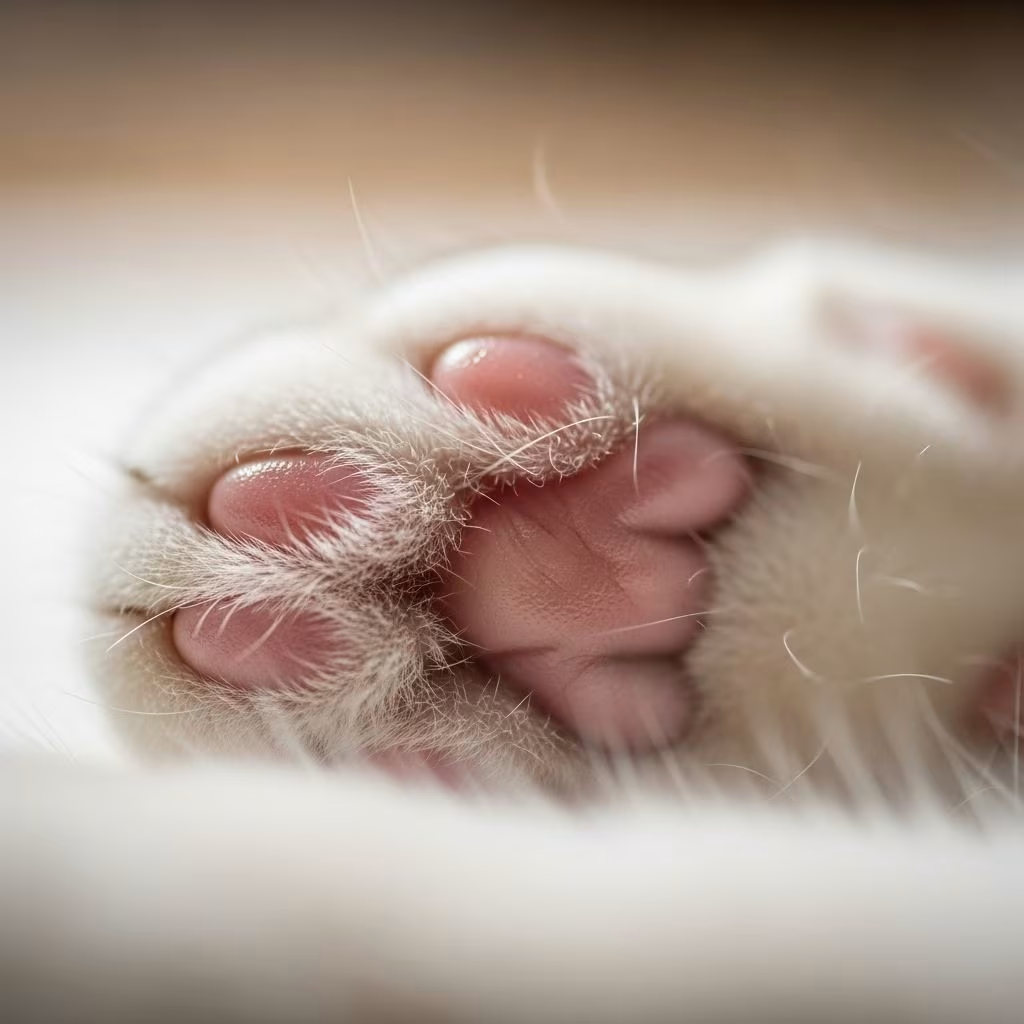
Cats do sweat, but unlike humans, they primarily sweat through the pads of their paws due to limited eccrine sweat glands located in hairless areas like paw pads, noses, and lips. This minimal sweating is not their main cooling mechanism; instead, cats rely on behaviors like grooming, panting, and seeking cool surfaces to regulate body temperature.
How Do Cats Cool Themselves Down?
Cats have evolved efficient alternative methods to dissipate heat since their fur covers most sweat glands, rendering widespread sweating ineffective. These strategies include self-grooming, where saliva evaporation mimics the cooling effect of sweat; sprawling on cool tiles or bathtubs to maximize surface contact; increased shedding in hot weather; and occasional panting to expel hot air from their lungs.
- Grooming: Cats lick themselves extensively, and as saliva evaporates from their fur, it cools the skin similar to human perspiration.
- Cool Surfaces: They stretch out on cold floors, sinks, or baths to transfer body heat directly to cooler materials.
- Shedding: Fur loss helps reduce insulation during heatwaves.
- Panting: Rare in cats, this involves rapid breathing to evaporate moisture from the tongue and respiratory tract, but it’s a sign of significant stress.
- Behavioral Changes: Seeking shade, drinking more water, and conserving energy by resting.
These methods are highly effective for domestic cats in moderate climates but can falter in extreme heat, making owner intervention crucial.
Where Do Cats Sweat From?
The primary sites for cat sweating are the paw pads, where eccrine glands produce a sweat that leaves damp footprints on floors during hot weather or stress. These glands are also present in smaller numbers on the nose, lips, and between toes, but paws bear the highest concentration. Cat sweat is alkaline, unlike the acidic sweat of humans, and serves additional functions like improving grip on surfaces.
Eccrine glands in cats are simple tubular structures that secrete a watery fluid directly onto the skin surface without mixing with other secretions, aiding minor thermoregulation.
Do Cats Have Sweat Glands?
Yes, cats possess eccrine sweat glands, primarily in hairless regions such as paw pads. Unlike dogs, which have both eccrine and apocrine glands (the latter for pheromones rather than cooling), cats lack widespread apocrine sweating. Their glands are fewer and less active than in humans, emphasizing behavioral cooling over perspiration.
| Animal | Sweat Glands | Primary Cooling Method |
|---|---|---|
| Cats | Eccrine (paws mainly) | Grooming, panting, cool surfaces |
| Dogs | Eccrine (paws), Apocrine (skin) | Panting primarily |
| Humans | Eccrine (whole body) | Sweating |
| Rabbits/Pigs | None | Ear blood vessels, wallowing |
This table highlights cats’ unique adaptations compared to other animals.
Why Is My Cat Sweating?
Visible sweating, such as wet paw prints, typically indicates overheating from high ambient temperatures, intense exercise, or stress. Cats sweat to release excess heat when primary cooling fails. However, excessive sweating paired with other symptoms warrants attention, as it may signal underlying issues like heat exhaustion.
- Heat: Summer temperatures above 68°F (20°C) prompt paw sweating; over 98°F (37°C) is dangerous.
- Stress/Anxiety: New environments or threats cause ‘anxious sweating’ via paws.
- Activity: Post-play or hunting simulation.
Why Is My Cat Panting?
Panting in cats is uncommon and signals distress, unlike in dogs where it’s routine. It occurs during severe overheating, allowing evaporation from mouth and lungs, or due to pain, respiratory issues, heart disease, or extreme anxiety. If panting persists after cooling or stressor removal, seek veterinary care immediately.
Distinguish normal from abnormal: Brief panting after sprinting may resolve quickly, but ongoing open-mouth breathing with drooling indicates emergency.
Cat Overheating: Symptoms and Risks
Cats are prone to heatstroke due to inefficient sweating. Early signs include damp paws, lethargy, and increased grooming; advanced stages show panting, rapid heartbeat, vomiting, seizures, and collapse. Body temperature exceeding 104°F (40°C) risks organ failure.
Dehydration exacerbates overheating, with symptoms like:
- Skin tenting (pinched skin doesn’t snap back)
- Dry gums
- Elevated heart rate
- Lethargy and appetite loss
- Sunken eyes
Heatstroke mortality can reach 50% without prompt treatment, per veterinary studies.
How to Cool Down an Overheated Cat
Act swiftly: Move to a cool, shaded area; offer fresh water; wet fur (avoid ice); use fans or cool packs on paws/belly. Monitor temperature rectally if possible—aim below 103°F (39.4°C). Veterinary intervention may include IV fluids and cooling baths.
- Remove from heat source.
- Provide water but don’t force.
- Moisten with room-temperature water.
- Fan gently for evaporation.
- Transport to vet if no improvement in 10-15 minutes.
Preventing Overheating in Cats
Proactive measures ensure safety: Provide shaded outdoor access, multiple water stations, cooling mats, and air conditioning. Avoid cars, direct sun, and exercise during peak heat. Long-haired breeds and brachycephalics (flat-faced cats) are higher risk.
- Install window screens and fans.
- Use frozen treats or ice cubes in water.
- Groom regularly to remove undercoat.
- Indoor-only during heatwaves.
- Monitor vulnerable cats (seniors, kittens, obese).
FAQ
Do cats sweat like humans?
No, cats sweat minimally through paw pads, not body-wide like humans. They depend on grooming and behavioral cooling.
Where do cats sweat from the most?
Primarily from paw pads, leaving wet prints when hot or stressed.
Why is my cat panting and sweating?
This combo signals heat exhaustion, stress, or illness—cool immediately and consult a vet if persistent.
Can cats get heatstroke?
Yes, rapidly in hot environments; symptoms include heavy panting, weakness, and high fever. Act fast.
Do cats sweat when nervous?
Yes, stress triggers paw sweating as part of fight-or-flight response.
How can I tell if my cat is too hot?
Look for wet paws, excessive panting, lethargy, drooling, or rapid breathing.
Do cats sweat through their nose?
No major glands there, but minor ones exist; panting is their nasal cooling method.
This comprehensive guide expands on feline thermoregulation, drawing from expert veterinary insights to empower cat owners. Regular monitoring prevents tragedies in warming climates.
References
- Do Cats Sweat? Tips for Keeping Cats Cool — Purina US. 2025-06-05. https://www.purina.com/articles/cat/health/skin-fur-ears/do-cats-sweat
- Do Dogs & Cats Sweat? — Petcube. N/A. https://petcube.com/blog/do-pets-sweat/
- Is Your Cat Sweating? Here Could Be the Reasons — PetCareRx. N/A. https://www.petcarerx.com/article/is-your-cat-sweating-here-could-be-the-reasons/3405
- Do Cats Sweat or Pant? — Hill’s Pet Nutrition. N/A. https://www.hillspet.com/cat-care/behavior-appearance/cats-sweating-and-panting
- Do Cats Sweat? How They Keep Cool — Cats.com. N/A. https://cats.com/do-cats-sweat



