

Can Cats Stay in One Room All Day?
Many cat owners wonder whether keeping their feline companions confined to a single room throughout the day is appropriate and humane. The answer is more nuanced than a simple yes or no. With the right conditions, proper setup, and attention to your cat’s needs, cats can absolutely stay in one room for extended periods, including while you’re at work. However, success depends on several critical factors that we’ll explore in detail.
Understanding Your Cat’s Spatial Needs
Unlike dogs, cats don’t require expansive living spaces to be content and mentally stimulated. In fact, cats are naturally drawn to smaller, confined areas where they feel secure. Cats naturally enjoy small spaces, tiny rooms, and even tight nooks and crannies where they can retreat and feel protected. This inherent preference for coziness means that a single room can provide everything your cat needs for a fulfilling day.
The key difference is understanding that confining a cat to one room is not the same as isolating them. Confinement with regular human interaction, proper enrichment, and access to essential resources creates a safe, comfortable environment. Isolation without these elements, however, can lead to behavioral problems and psychological distress.
The Ideal Room Setup
Not all rooms are created equal when it comes to feline comfort. Consider these essential characteristics for an optimal single-room environment:
Room Size and Features
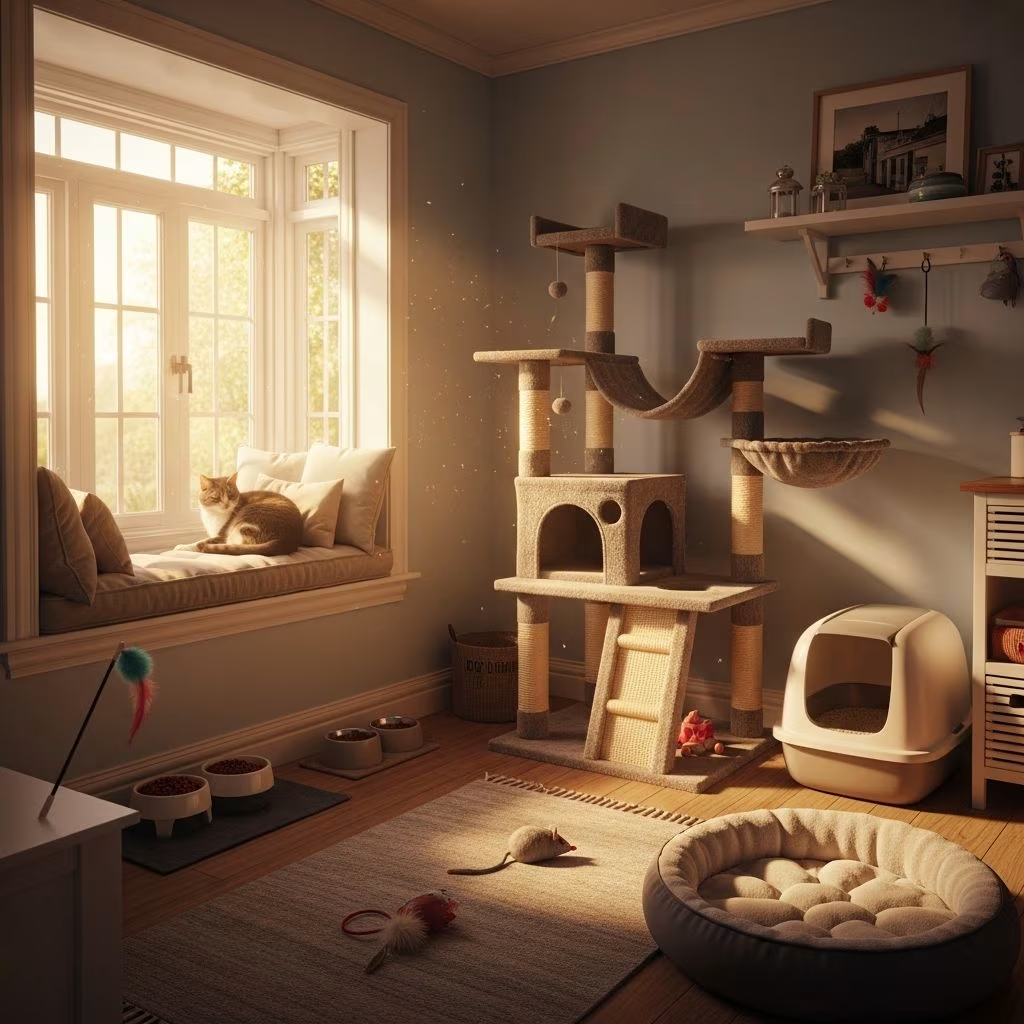
A large master bedroom with a bathroom is ideal for extended confinement. The room should ideally include:
- Natural light and window access for viewing the outdoors
- A comfortable bed or sleeping area
- Vertical space for climbing and perching
- Access to a bathroom or private area
- Adequate floor space for movement
Essential Resources Every Room Must Have
Regardless of room size, certain items are non-negotiable for your cat’s wellbeing:
- Fresh water: Multiple water bowls in different locations encourage hydration
- Quality food: Portion-controlled meals or snacking options depending on your cat’s feeding schedule
- Litter box: The golden rule is one litter box per cat plus one extra, kept meticulously clean
- Comfortable bedding: Soft, inviting surfaces for rest and sleep
- Scratching posts: Essential for claw maintenance and stress relief
- Cat trees or climbing structures: Vertical spaces provide exercise and enrichment
- Toys and enrichment items: Puzzle feeders, interactive toys, and other mental stimulation tools
Duration Considerations
Seven hours in a large, well-equipped room is absolutely manageable for most cats. This timeframe is common for owners who work standard business hours, and many cats handle it without issue. However, the specific duration should depend on:
- Your cat’s age and health status
- The room’s size and features
- The quality of enrichment available
- Your cat’s individual personality and energy levels
- How much interaction they receive outside these hours
Interestingly, some cats spend the majority of their time in a single favorite location even when they have access to an entire home. This suggests that many felines are naturally inclined toward spending significant time in confined areas, particularly if those areas offer comfort, security, and interesting features like windows for bird-watching.
Addressing Behavioral Concerns
Excessive Door Scratching and Resistance
If your cat objects strongly to being confined to one room, it’s important to understand why. Resistance can stem from various causes, each requiring different solutions. Before assuming the confinement is the problem, investigate whether underlying behavioral or environmental issues are driving the resistance.
Multi-Pet Household Solutions
One common reason for single-room confinement is incompatibility with other pets in the household. If your cat doesn’t get along with another animal, try these approaches:
- Use supervised together time to gradually improve their relationship
- Feed them on opposite sides of a closed door so they become accustomed to each other’s scents and sounds without aggressive interactions
- Allow gradual, controlled introductions rather than forcing immediate cohabitation
Litter Box Issues and Destructive Behavior
If your cat is soiling the house or showing destructive behavior with her claws, confinement to one room should include solutions to these problems:
- Provide at least one litter box per cat, plus an additional box in the confined space
- Maintain obsessive cleanliness with the litter box, scooping daily and changing litter regularly
- Experiment with different types of litter, as some cats have strong preferences
- Invest in quality scratching posts and climbing structures designed specifically for scratch behavior
- Use deterrents like double-sided sticky tape on surfaces you want to protect
- Apply compressed air blasts when you catch inappropriate scratching in action
- Trim your cat’s claws regularly and consider plastic claw caps as an option
- Consult your veterinarian about professional grooming options
The Importance of Enrichment and Stimulation
Mental and physical enrichment becomes even more critical when a cat is confined to a single room. Cats that don’t receive sufficient mental enrichment or exercise are more likely to become overstimulated or develop behavioral problems. Consider these enrichment strategies:
Environmental Enrichment
- Window perches that allow bird watching and natural light exposure
- Cat trees providing multiple levels and vantage points
- Puzzle feeders and food-dispensing toys that engage hunting instincts
- Rotating toys to maintain novelty and interest
- Background sounds or soft music to provide auditory stimulation
Interactive Play and Human Engagement
Regardless of room size, your cat needs regular interaction with you. Daily play sessions, petting, and companionship are essential for psychological wellbeing. This human connection transforms a confined space from feeling like punishment into a comfortable refuge where your cat spends quality time with their favorite person.
Special Circumstances for Single-Room Confinement
Beyond the everyday scenario of working hours away from home, there are several situations where confining a cat to one room is not just acceptable but actually beneficial:
Introducing New Pets
When bringing a new cat or other animal into your home, a safe room serves as a decompression zone. This quiet retreat allows your new pet to adjust to their surroundings and the existing cat to become familiar with new scents and sounds through a closed door before face-to-face meetings occur.
Post-Surgical Recovery
Cats recovering from surgery or illness benefit tremendously from a dedicated recovery room. A confined space with minimal activity, stress, and potential for injury allows your cat to rest and heal without interference. This is particularly important in multi-pet households where other animals might interrupt recovery.
Managing Guest Visits
Many cat owners maintain a safe room for their pets when guests visit. This consideration benefits both your cat and your visitors. Your anxious or frightened cat can retreat to a calm space away from the commotion, while guests avoid being overwhelmed by a stressed, overstimulated feline. This arrangement actually reduces anxiety for everyone involved.
Understanding Overstimulation in Confined Spaces
When cats do become distressed in confined situations, overstimulation is often a factor. Overstimulation occurs when cats receive too much sensory information from their environment, such as noise, touch, or fast movement. Confined spaces can intensify stimulation if not properly managed.
To prevent overstimulation in a single-room setup:
- Maintain a calm, quiet environment with controlled noise levels
- Limit petting sessions to durations your cat is comfortable with
- Provide quiet spaces within the room where your cat can retreat
- Consider calming products like Feliway diffusers for naturally anxious cats
- Consult your veterinarian about anxiety medications if your cat struggles significantly
The Reality of Single-Room Living for Cats
Here’s an important perspective: if the worst complaint your cat has is a closed door for part of the day, your cat likely has it pretty good. Many domesticated cats live satisfying lives with restricted access to home spaces. The key is ensuring that the restriction comes from practical necessity rather than punishment, and that every essential need is met within that space.
Cats are fundamentally different from dogs in their spatial requirements. Dogs thrive on expansive territory and constant activity, while cats are naturally inclined toward smaller territories where they feel secure and in control. This natural inclination makes single-room living potentially quite suitable for feline temperaments.
Frequently Asked Questions
Q: How many hours can a cat realistically stay in one room?
A: Most cats can comfortably stay in a single room for 7-8 hours, which covers a typical work day. Longer periods are possible if enrichment is excellent and the room is well-equipped. However, daily interaction outside these confined periods is important for your cat’s overall wellbeing.
Q: Will my cat become depressed if confined to one room?
A: Not necessarily. Depression in cats typically results from lack of stimulation, interaction, and essential resources rather than room size alone. As long as your cat has toys, enrichment, human interaction, window access, and all essential items, a single room can be a perfectly adequate living space.
Q: What’s the minimum room size for a cat to stay all day?
A: There’s no strict minimum, as cats adapt well to small spaces they naturally prefer. However, a medium-to-large bedroom is ideal. Even a studio apartment or small room works if it includes vertical space, natural light, and enrichment items.
Q: Is it cruel to keep a cat in one room?
A: Keeping a cat in a well-equipped room with enrichment, human interaction, and all essential resources is not cruel. Cruelty involves deprivation and neglect. Confinement with proper care, especially for practical reasons like work or adjustment periods, is humane and often beneficial.
Q: How should I handle my cat’s resistance to room confinement?
A: First, identify the reason for resistance. Is it incompatibility with another pet, litter box issues, lack of enrichment, or simply preference? Once you identify the cause, implement targeted solutions like separate feeding areas, additional litter boxes, or increased enrichment and play.
Q: What enrichment items are most important for a confined cat?
A: Prioritize window perches for outdoor viewing, cat trees for vertical space and exercise, puzzle feeders for mental stimulation, and rotating toys to maintain novelty. Interactive play with you remains perhaps the most valuable enrichment a confined cat can receive.
References
- Can Cats Stay in One Room All Day? — Chewy Editors. 2024. https://www.chewy.com/education/cat/health-and-wellness/can-cats-stay-in-one-room-all-day
- Can Cats Be Happy Living In One Room? — Senior Cat Wellness. September 6, 2022. https://www.youtube.com/watch?v=T3gb-kpbMb0
- 11 Signs of an Overstimulated Cat and How To Calm Them — PetMD. 2024. https://www.petmd.com/cat/behavior/overstimulated-cat



