

Can Cats Snore?
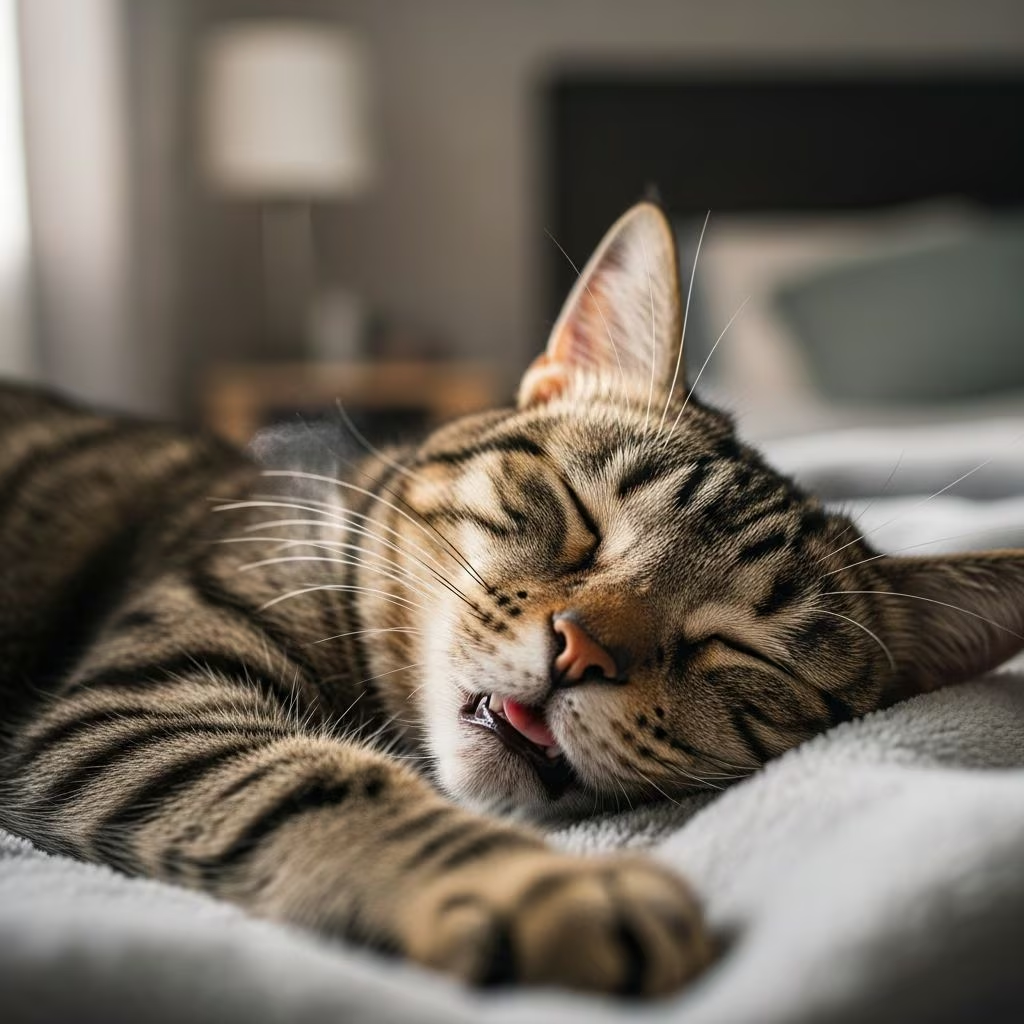
Yes, cats can snore, though it is much less common in cats than in dogs or humans. While occasional snoring may seem harmless or even endearing, understanding the underlying causes is essential for pet owners. Snoring occurs when air movement is partially blocked during breathing, causing tissues in the upper airways to vibrate and produce the distinctive snoring sound. Although some cats snore naturally due to their breed or sleeping position, persistent or sudden-onset snoring can indicate underlying health concerns that warrant veterinary attention.
What Causes Cats to Snore?
Cat snoring typically results from partial obstruction in the upper airways—the nose, back of the mouth (pharynx), and throat. During deep sleep, the tissues of the upper airways are fully relaxed and can vibrate audibly during breathing. Several factors can contribute to this obstruction, ranging from temporary conditions to chronic health issues.
Excess Weight and Obesity
Excess weight is one of the most common causes of cat snoring. In overweight or obese cats, fat accumulates in the tissues surrounding the upper airways, putting pressure on the nasal passages and leading to snoring. Overweight cats may also have smaller nostrils that restrict breathing and elongated soft palates that can partially block the opening of the windpipe (trachea). Beyond snoring, obesity in cats can predispose them to other serious health conditions, including feline lower urinary tract disease, osteoarthritis, and diabetes.
Sleep Position
Certain sleeping positions can cause temporary snoring in cats. If a cat’s head and neck are angled in a way that restricts airflow, snoring may result. This type of snoring is typically temporary and stops when the cat changes positions. Cats sleep in odd positions throughout the day, and this positional snoring is generally not a cause for concern.
Respiratory Infections
Upper respiratory infections are a common cause of cat snoring, especially in kittens and shelter-adopted cats. Viral and bacterial upper respiratory infections cause inflammation, nasal discharge, and congestion, leading to noisy breathing. The most common upper respiratory infection in cats is “cat flu,” a term that encompasses upper airway issues caused by various infectious agents. Cats with respiratory infections typically display additional symptoms such as coughing, sneezing, watery eyes, and decreased energy levels. These conditions require veterinary evaluation to determine appropriate treatment.
Allergies and Environmental Irritants
Cats can develop allergic reactions to dust, pollen, mold, and strong cleaning agents. These allergens inflame the nasal passages, making breathing more difficult and leading to snoring. Cats with allergies may also display increased scratching, watery eyes, or reverse sneezing. For cats prone to sinus congestion, allergy-induced inflammation can cause the tissue in and around the nose and mouth to vibrate, producing the snoring sound.
Nasal Polyps and Growths
Abnormal tissue growth such as nasal polyps or tumors can cause snoring in cats. These growths may partially block the nasal passages or the back of the throat, producing audible breathing sounds. If a cat’s snoring progressively worsens or is combined with nasal discharge or mouth breathing, a veterinary exam is strongly recommended. Some cats may also experience enlarged adenoids or swollen turbinates that block airflow during sleep.
Foreign Objects
Although relatively uncommon, cats can develop airway blockages that cause snoring. Foreign objects such as grass seeds, blades of grass, or other debris can become lodged in the nasal passages or back of the mouth. Signs of foreign object obstruction typically appear suddenly, with cats snorting or sneezing as they attempt to dislodge the blockage. A veterinary examination is necessary to diagnose and remove the foreign object.
Breed-Specific Factors
Certain cat breeds are more prone to snoring due to their physical characteristics. Brachycephalic (flat-faced) breeds such as Persians, Himalayans, and Burmese cats have shortened nasal passages, making them more likely to snore. These push-face breeds also have narrower nostrils (stenotic nares) that restrict airflow through the nose. Additionally, they may have elongated soft palates that are too long for their shorter head structure, obstructing the airways. For these breeds, occasional snoring may be normal, but consistent snoring still warrants veterinary evaluation.
Other Medical Conditions
Additional medical conditions can contribute to cat snoring, including sinus congestion, dental disease, chronic bronchitis, and nasal inflammation (rhinitis). Age-related changes in the anatomy of a cat’s mouth and throat can also lead to snoring. Some cats may experience dental problems that affect breathing, while others may develop chronic conditions that require ongoing management.
When Should You Be Concerned?
While occasional snoring may be harmless, certain signs indicate that veterinary attention is necessary. Pet owners should monitor their cats for warning symptoms that suggest underlying health problems.
Warning Signs to Watch For
- Sudden onset of snoring — If your cat did not previously snore and suddenly begins snoring, this may indicate a new health condition
- Increasingly loud snoring — Progressive worsening of snoring intensity suggests a developing problem
- Panting or wheezing — These symptoms indicate respiratory distress and require immediate veterinary evaluation
- Heavy or labored breathing — Difficulty breathing, whether awake or asleep, is a serious concern
- Open-mouth breathing — Cats typically breathe through their nose; open-mouth breathing suggests airway obstruction
- Nasal discharge — Discharge from the nose or eyes may indicate infection or other pathology
- Coughing or sneezing — These symptoms often accompany respiratory infections or other upper airway problems
- Change in meow — An altered vocalization may suggest throat or airway involvement
- Decreased energy or lethargy — Loss of appetite and unusual tiredness can indicate underlying illness
- Snorting or gagging — Severe stertor (the medical term for snoring) may include these additional sounds
Distinguishing Normal from Abnormal Snoring
Occasional snoring is generally normal for cats, particularly in certain breeds or sleeping positions. However, stertor that is consistently present whether awake or asleep is more likely associated with underlying conditions blocking the airway. Mild snoring that occurs only during sleep typically requires no intervention, while persistent or worsening snoring warrants professional evaluation. Cats that snore consistently due to obesity or breed characteristics still benefit from veterinary guidance to ensure overall health.
Risk Factors for Cat Snoring
Certain cats face higher risk of developing snoring issues. Understanding these risk factors helps pet owners identify which cats require closer monitoring.
High-Risk Categories
- Brachycephalic breeds — Push-face cats are at highest risk of stertor due to structural abnormalities in the face and upper throat
- Obese cats — Overweight and obese cats are at highest risk due to fat accumulation in airway tissues
- Senior cats — Age-related changes in mouth and throat anatomy increase snoring risk
- Cats with chronic respiratory conditions — Those with ongoing upper respiratory infections or chronic nasal inflammation are predisposed to snoring
- Shelter-adopted cats — Recently adopted cats often carry upper respiratory infections
What You Can Do About Your Cat’s Snoring
While some causes of snoring require professional intervention, pet owners can take steps to support their cat’s respiratory health and comfort.
Management Strategies
- Maintain healthy weight — Help your cat achieve a healthy weight through appropriate diet and exercise to reduce snoring caused by excess fat
- Improve sleep environment — Ensure your cat sleeps in a humid environment, as dry air can exacerbate snoring
- Monitor sleeping positions — While you cannot control where cats sleep, providing comfortable, well-supported bedding may help them maintain better sleeping positions
- Regular veterinary checkups — Schedule annual exams to catch potential health issues early, especially for at-risk breeds
- Maintain good indoor air quality — Minimize allergens and irritants by keeping your home clean and well-ventilated
- Watch for symptoms — Monitor your cat daily for any changes in breathing, appetite, or behavior
When to Schedule a Veterinary Appointment
Pet owners should contact their veterinarian if their cat exhibits any of the warning signs mentioned above. A veterinary professional can perform a thorough examination, determine the underlying cause of snoring, and recommend appropriate treatment options. For cats with sudden-onset snoring, progressively worsening snoring, or accompanying symptoms, prompt veterinary evaluation is essential to rule out serious health conditions.
Frequently Asked Questions
Q: Is it normal for cats to snore?
A: Occasional snoring in cats is not uncommon, particularly in brachycephalic breeds or when sleeping in certain positions. However, snoring is less common in cats than in dogs or humans. Persistent or sudden-onset snoring may indicate an underlying health condition requiring veterinary attention.
Q: What is the difference between normal snoring and stertor?
A: Snoring refers to noisy breathing during sleep, while stertor is the medical term for low-pitched noise from the nasal cavity during breathing. Stertor can occur while the cat is awake or asleep and may indicate a more serious blockage of the airway.
Q: Can obesity cause my cat to snore?
A: Yes, excess weight is one of the most common causes of cat snoring. Fat accumulates in tissues surrounding the upper airways, putting pressure on nasal passages and leading to snoring. Weight management is an important part of supporting your cat’s respiratory health.
Q: Which cat breeds are most prone to snoring?
A: Brachycephalic (flat-faced) breeds such as Persians, Himalayans, and Burmese cats are more prone to snoring due to their shortened nasal passages and structural characteristics.
Q: When should I take my snoring cat to the veterinarian?
A: Schedule a veterinary appointment if your cat develops sudden-onset snoring, snoring becomes increasingly loud, or if accompanying symptoms such as nasal discharge, coughing, sneezing, or changes in meow develop. Also seek veterinary care if your cat shows signs of labored breathing, panting, wheezing, or open-mouth breathing.
Q: Can a foreign object cause my cat to snore?
A: Yes, although uncommon, foreign objects such as grass seeds or blades of grass can become lodged in the nasal passages or back of the mouth, causing snoring. If you suspect a foreign object, contact your veterinarian immediately.
Q: What can I do to help reduce my cat’s snoring?
A: Maintain your cat at a healthy weight, ensure a humid sleeping environment, provide comfortable bedding, minimize allergens, and schedule regular veterinary checkups. For specific conditions, your veterinarian can recommend targeted treatments.
Q: Is snoring a sign of cat flu or respiratory infection?
A: Snoring can be associated with upper respiratory infections, including cat flu, especially in kittens and shelter-adopted cats. If accompanied by other symptoms like nasal discharge, coughing, or sneezing, veterinary evaluation is recommended.
References
- Why Does My Cat Snore and Should I Worry About It? — Diamond Pet Foods. https://www.diamondpet.com/blog/health/weight-management/why-my-cat-snores/
- Cat Snoring: Should You Be Concerned? — Countryside Companion Animal Hospital. https://ccahweb.com/veterinary-blog/cat-snoring/
- Why do cats snore? And is it normal? — petGuard. https://www.petguard.co.uk/cats-snoring
- Why Does My Cat Snore So Loud? 4 Common Reasons — Cats.com. https://cats.com/why-does-my-cat-snore
- Snoring and Noisy Breathing (Stertor) in Cats — Vetster. https://vetster.com/en/symptoms/cat/snoring-and-noisy-breathing
- Is It Normal? Do Cats Snore? — PetMD. https://www.petmd.com/cat/general-health/cat-snoring-it-normal
- Snoring in Pets — Tassajara Veterinary Clinic. https://www.tassajaravet.com/snoring-in-pets/



