

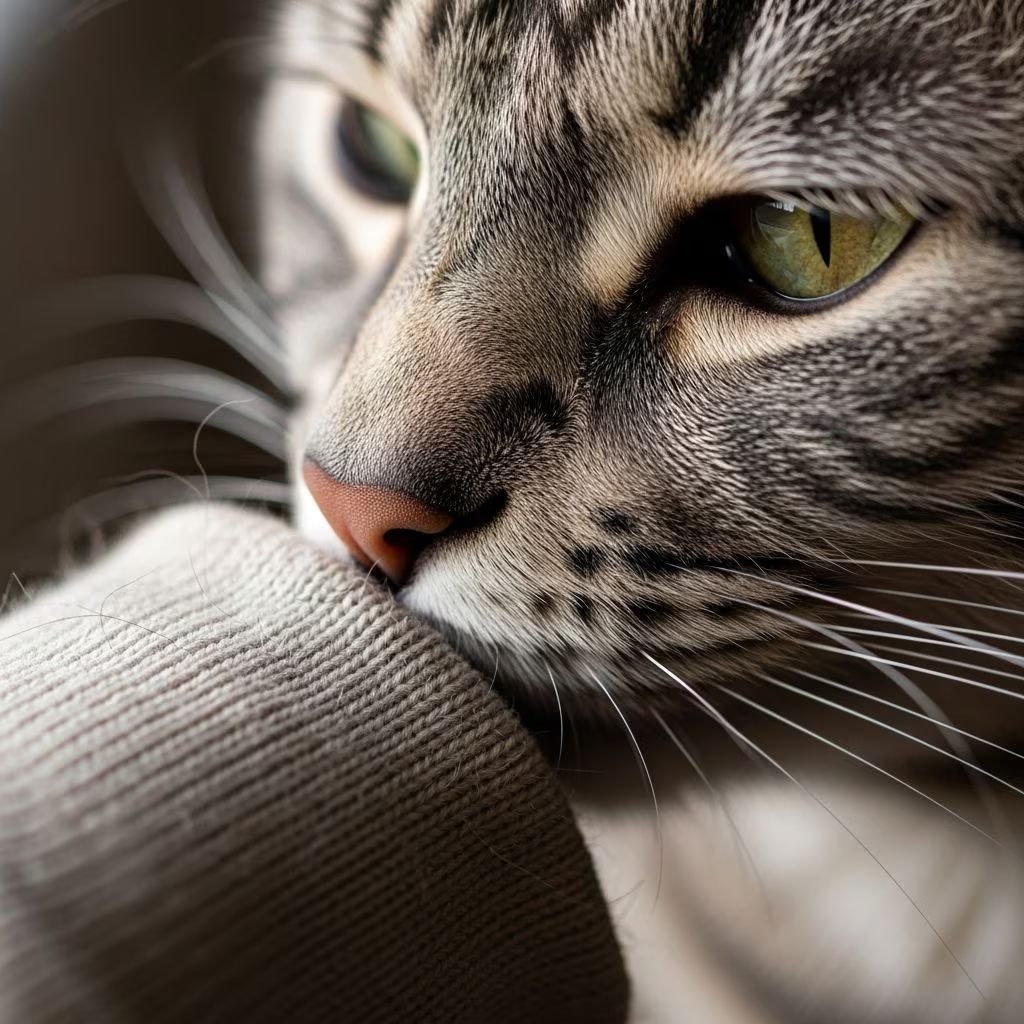
Cats possess an extraordinary sense of smell, far superior to humans, enabling them to detect other cats’ scents lingering on your clothes, skin, or belongings. This detection often triggers instinctual responses such as rubbing, scratching, or even urine spraying to reclaim territory or reaffirm group scents.
How Powerful Is a Cat’s Sense of Smell?
Cats have approximately 200 million olfactory receptors compared to humans’ 5 million, granting them a sense of smell 14 times more acute. This allows them to identify individual cats, emotional states, and territorial claims through pheromones—chemical signals released from scent glands.
Pheromones carry personal information like identity, sex, and reproductive status. Cats deposit these via facial glands, paws, tail base, and urine, creating a ‘scent map’ of their environment. When you return smelling like another cat, your pet perceives it as an intruder signal, prompting re-marking behaviors.
Why Do Cats React When They Smell Other Cats on You?
Your cat’s reaction stems from territorial instincts and social bonding. Unfamiliar scents disrupt their comfort, signaling potential threats. Cats respond by over-marking you to mix your scent with theirs, restoring familiarity and group identity.
- Territorial Reclamation: Detecting foreign pheromones prompts cats to overwrite them with their own, affirming ownership of you and the home.
- Social Group Maintenance: Household cats view owners as part of their colony; strange scents require integration via rubbing.
- Stress Response: Anxiety from perceived intruders can lead to frustration marking near entry points.
Common Cat Reactions to Smelling Other Cats on You
Cats exhibit distinct behaviors when sensing other cats on owners, ranging from affectionate to assertive marking.
Rubbing and Bunting
The most common reaction is ‘bunting’—rubbing cheeks or head against you. Scent glands in the cheeks, forehead, chin, and lips release friendly pheromones, claiming you as ‘mine’ and blending scents.
This affectionate gesture also expresses contentment and trust. Cats may weave between your legs or headbutt persistently until their scent dominates.
Excessive Scratching
Scratching releases paw pad pheromones and leaves visual marks. Cats may scratch furniture, rugs, or you nearby to reinforce territory after detecting rivals.
Following You Around
Your cat may shadow you, sniffing and rubbing to investigate and neutralize the scent. This persists until satisfied.
Meowing or Chirping
Vocalizations like questioning meows or chirps communicate curiosity or mild distress about the foreign odor.
Hissing or Swatting
Rarely, stressed cats hiss, growl, or swat at the scent source (you), especially if recent multi-cat exposure occurred.
Spraying Urine
In severe cases, intact or anxious cats spray vertical surfaces near you. This projects concentrated urine pheromones to declare territory against perceived threats.
| Behavior | Purpose | Trigger |
|---|---|---|
| Rubbing/Bunting | Affiliate and scent-mix | Friendly reclamation |
| Scratching | Paw pheromones + visual mark | Territorial reinforcement |
| Spraying | Strong territorial signal | High stress/threat |
Can Cats Tell the Difference Between Different Cats’ Scents?
Yes, cats distinguish scents uniquely due to pheromone specificity. Each cat’s chemical signature reveals identity, health, and status, much like fingerprints. Your pet recognizes familiar household scents versus strays or neighbors.
They categorize scents: friendly (group mates), neutral, or threatening (unknown rivals). This discernment drives targeted responses.
How Long Can Cats Smell Other Cats on You?
Scent persistence varies: strong pheromones from rubbing or spraying last 24-48 hours on fabrics; subtler ones fade quicker on skin. Indoor cats detect faint traces for hours post-exposure.
Volatile compounds evaporate fast, but oily pheromones cling. Washing removes most, but cats’ sensitivity picks up residues.
Do Cats Get Jealous When They Smell Other Cats on You?
Cats experience ‘resource guarding’ akin to jealousy, viewing you as a key resource. Foreign scents trigger competitive marking to regain exclusive access, not emotional jealousy but instinctual protection.
Should You Worry If Your Cat Suddenly Starts Marking After You’ve Been Around Other Cats?
Mild increased rubbing is normal, but new spraying, litter avoidance, or aggression warrants concern. Rule out medical issues like UTIs via vet visit, then address stressors.
Persistent marking signals anxiety; intervene early to prevent habits.
How Can You Stop Your Cat From Marking When They Smell Other Cats on You?
Immediate Solutions
- Wipe Down: Use unscented pet wipes on entry to remove scents before greeting.
- Scent Swap: Rub a cloth on your cat, then on yourself to preempt marking.
- Distract: Offer play or treats to redirect energy.
Long-Term Prevention
- Enrich Environment: Provide scratching posts, pheromone diffusers (Feliway), vertical spaces.
- Spay/Neuter: Reduces spraying by 90% in most cases.
- Clean Thoroughly: Enzyme cleaners eliminate pheromones completely.
- Routine Stability: Minimize changes triggering stress.
Professional Help
If behaviors persist, consult a veterinary behaviorist for tailored plans, possibly medication.
Frequently Asked Questions (FAQs)
Why does my cat rub against me after I’ve petted another cat?
Your cat is bunting to deposit cheek pheromones, mixing scents and reclaiming you as part of their group.
Is it normal for my cat to spray when I come home from a friend’s house with cats?
Spraying indicates high stress from detected scents; it’s territorial but addressable with calming aids and cleaning.
How do I clean other cats’ scents off my clothes?
Wash with enzyme-based pet cleaners; avoid human scents that might confuse further.
Will my cat forget the scent over time?
Cats’ memory for scents lasts days; consistent re-marking fades the memory through overwriting.
Can pheromone products help?
Yes, synthetic feline pheromones like Feliway mimic calming signals, reducing marking effectively.
References
- Cat Behavior Problems – Marking and Spraying Behavior — VCA Animal Hospitals. 2023. https://vcahospitals.com/know-your-pet/cat-behavior-problems-marking-and-spraying-behavior
- Scent Marking and What It Means — Catwatch Newsletter. 2022. https://www.catwatchnewsletter.com/behavior/scent-marking-and-what-it-means/
- Feline Scent-Marking: Cat Communication — Tufts University School of Veterinary Medicine. 2023. https://www.tvmf.org/articles/feline-scent-marking-cat-communication/
- Understanding Cat Scent Marking and Spraying — Woodgreen Pets Charity. 2024. https://woodgreen.org.uk/pet-advice/cat/how-do-cats-mark-their-territory/
- Understanding Your Cat – Rubbing/Scent Marking — Brian’s Art for Animals (YouTube). 2015-08-17. https://www.youtube.com/watch?v=KZ4JJ9P1Rbw



