

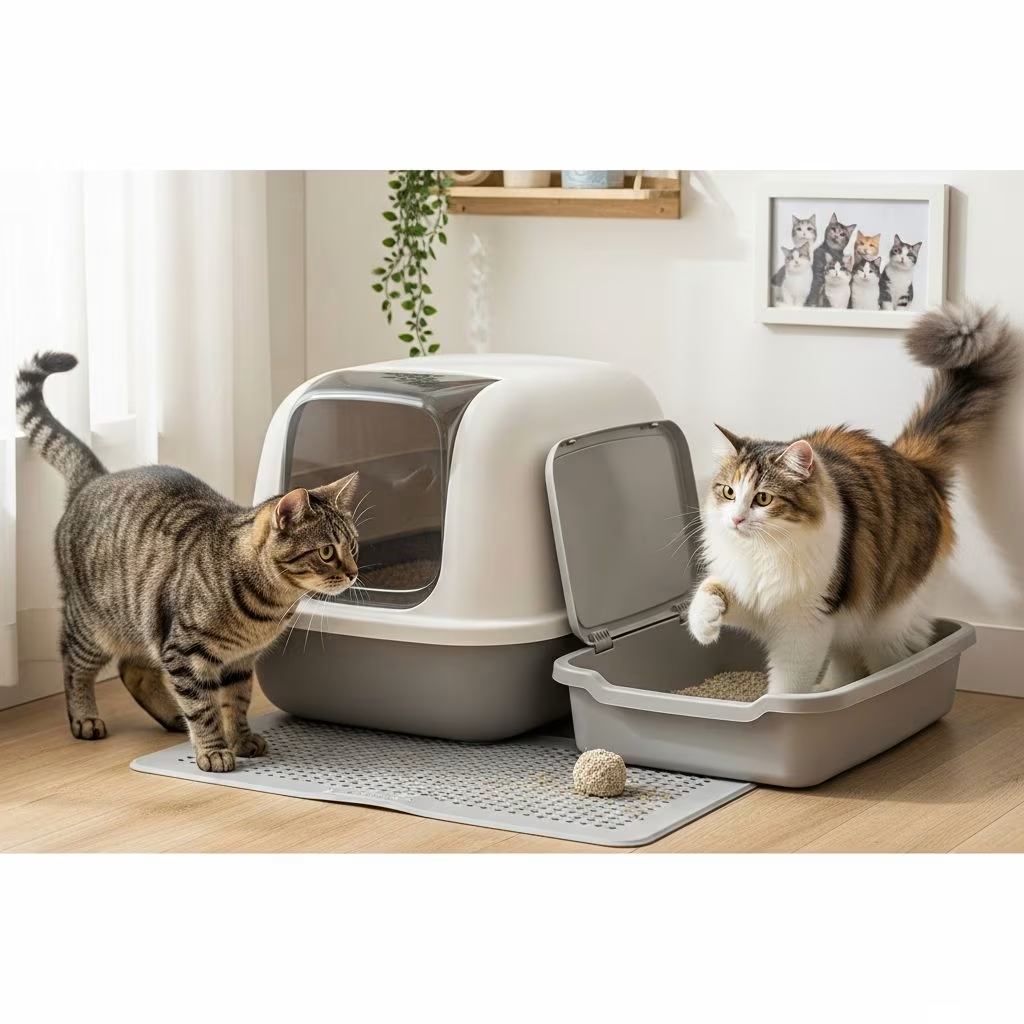
Can Cats Share a Litter Box? A Complete Guide
Having multiple cats in your home brings joy, companionship, and endless entertainment. However, it also brings practical challenges, particularly when it comes to managing litter boxes. One of the most common questions cat parents ask is whether their feline companions can share a single litter box. The answer is more nuanced than a simple yes or no, and understanding the complexities can help you create a harmonious bathroom environment for your cats.
Can Cats Actually Share a Litter Box?
The straightforward answer is: yes, cats can technically share a litter box, but it’s not always ideal. While multiple cats may physically use the same litter box, whether they will do so comfortably depends on several factors related to their personality, age, and social dynamics. The better question isn’t “can cats share?” but rather “will my cats share peacefully?”
Cats are highly independent creatures with specific preferences and territorial instincts. What works for one multi-cat household may fail entirely in another. Success depends on understanding your individual cats’ needs and behaviors, combined with proper litter box management strategies.
Why Cats Might Refuse to Share
Understanding the reasons why cats may reject a shared litter box is crucial for cat parents considering this arrangement. Several behavioral and practical factors can lead to problems:
Territorial Behavior
Cats are naturally territorial animals. Even when two cats live peacefully together, they often establish personal spaces within the home that they consider exclusively theirs. A litter box can become one of these claimed territories. If one cat perceives the litter box as their personal domain, they may actively prevent other cats from using it. This territorial conflict can manifest as blocking access, positioning themselves near the box, or showing signs of aggression when other cats approach. When cats refuse to share due to territorial behavior, you may find urine or feces deposited in inappropriate locations throughout your home.
Aggression and Dominance
In multi-cat households, a hierarchy often develops naturally. One cat may become dominant, earning the role of “alpha” cat. This dominant cat might bully subordinate cats away from the shared litter box through aggressive behaviors including growling, hissing, scratching, and even biting. Such aggression prevents the subordinate cat from accessing the box when needed, forcing them to find alternative bathroom locations. This dynamic is particularly problematic because it creates stress for the bullied cat and can damage the overall relationship between your feline companions.
Litter Preferences and Pickiness
Cats are notoriously particular about their litter preferences. Different cats may have strong opinions about litter texture, scent, and composition. One cat might prefer fine-grained clumping litter, while another refuses anything but crystal litter. When cats must compromise on litter type in a shared box, the cat whose preference isn’t accommodated may simply refuse to use it. This individual pickiness makes finding a litter type that satisfies all cats simultaneously extremely challenging in multi-cat households.
Age and Personality Differences
Older cats often struggle with the introduction of new cats to their established routines. Senior cats, particularly those set in their ways, may be more likely to keep younger cats or new arrivals out of the litter box. Additionally, cats with naturally dominant or anxious personalities may not tolerate sharing bathroom facilities, while more laid-back cats might be completely unbothered by the arrangement.
The Golden Rule for Multi-Cat Litter Boxes
Veterinarians and cat behavior specialists recommend a specific guideline for multi-cat households: provide one more litter box than the number of cats you own. This means:
- For 2 cats: provide 3 litter boxes
- For 3 cats: provide 4 litter boxes
- For 4 cats: provide 5 litter boxes
This abundance prevents competition, territorial disputes, and ensures each cat has access to a clean box when needed. Following this guideline significantly reduces the stress and behavioral problems associated with litter box sharing.
Advantages of Multiple Litter Boxes
Providing separate litter boxes for each cat offers numerous benefits that extend beyond simply avoiding problems:
Reduced Stress and Anxiety
When each cat has dedicated litter box access, stress levels decrease considerably for both cats and their owners. Cats can use the bathroom without fear of confrontation or blocked access. You can also maintain each cat’s preferred litter type without compromise, further reducing friction.
Decreased Aggression
Eliminating competition over litter boxes reduces aggressive interactions between cats. Aggression over bathroom facilities can escalate tensions and damage relationships between previously friendly cats. Multiple boxes prevent these conflicts from developing.
Better Odor Control
With multiple boxes, waste isn’t concentrated in one location. You can strategically place boxes throughout your home, distributing odors rather than creating a single concentrated problem area. This results in a fresher-smelling home overall.
Easier Maintenance
Shared litter boxes accumulate waste much faster than individual boxes, requiring more frequent cleaning and litter changes. With multiple boxes, the waste load is distributed, making maintenance more manageable and less overwhelming.
Essential Features of Multi-Cat Litter Boxes
If you do provide multiple litter boxes for sharing arrangements, selecting the right boxes matters significantly. Look for these key features:
Adequate Size
A multi-cat litter box should be at least 1.5 times the length of your largest cat. This generous sizing ensures adequate space for each cat’s digging behaviors and reduces the likelihood of waste spillage. Larger boxes also feel less confining to cats, making them more appealing for use.
Open-Top Design
Cats prefer open-top litter boxes over covered alternatives. Open designs provide better airflow, visibility, and a sense of security. Covered boxes can feel confining and trap odors, making cats reluctant to use them. The open design allows cats to see their surroundings during vulnerable bathroom moments, reducing anxiety about potential ambushes from other cats.
Low-Entry Access
Choose boxes with low entryways to accommodate cats of all ages, sizes, and mobility levels. Senior cats with arthritis, kittens, and cats with mobility issues need easy access. High-sided entry requirements exclude these cats from using the box.
High-Sided Walls
High walls prevent litter tracking throughout your home. Cats’ enthusiastic digging can scatter litter extensively, and high-sided boxes act as barriers. Pair high-sided boxes with low-tracking pellet litter for optimal results.
Strategic Placement of Litter Boxes
Where you place litter boxes significantly impacts whether cats will use them peacefully:
Quiet, Low-Traffic Locations
Litter boxes should be positioned in rooms where you don’t spend significant time, such as mudrooms, laundry rooms, and basements. Avoid placing boxes in bedrooms, living rooms, kitchens, or bathrooms where foot traffic is constant. Cats need privacy and peace during bathroom use, and high-traffic areas create stress and potential disruption.
Multiple Escape Routes
Position boxes so cats have multiple entry and exit options. Never corner a litter box in a location with only one way in and out. Cats feel vulnerable during elimination and need to know they can escape quickly if another cat approaches. Cornered boxes increase stress and may be avoided entirely.
Distributed Placement
In multi-cat homes, distribute boxes throughout the house rather than clustering them in one area. This ensures that no matter where your cats are, a clean litter box is easily accessible. Distributed placement also reduces the likelihood of one cat guarding or monopolizing box access.
Litter Box Maintenance Best Practices
Regular Cleaning Schedule
Cats are naturally clean animals and prefer spotless litter boxes. Remove clumped litter daily and completely change the litter every two to four weeks. A clean litter box encourages use and reduces odors significantly.
Use Quality Litter
Use only proper cat litter products. Sand and alternative litters typically don’t provide effective odor control and may not clump properly, making cleaning difficult and odors more likely to persist. Quality clumping litter makes maintenance easier and keeps your home fresher.
Proper Disposal
Place used litter in bags that can be sealed and disposed of in garbage cans with lids. Proper disposal prevents odors from permeating your home and maintains a hygienic bathroom environment.
Factors to Consider Before Sharing Arrangements
Before deciding whether cats can share litter boxes in your household, evaluate these important factors:
Number of Cats
The more cats sharing a box, the larger the box must be and the more frequently it requires cleaning. Waste accumulates rapidly with multiple cats, and the box may become soiled too quickly for cats to use comfortably.
Ages of Your Cats
Age dynamics matter significantly. Older cats may reject sharing with younger ones, and senior cats set in their ways may struggle to adapt to new cats using their litter. Kittens and young cats may lack confidence to use a box that older, dominant cats control.
Individual Personalities
Consider each cat’s personality. Naturally dominant, territorial, or anxious cats are less likely to share successfully than laid-back, easygoing cats. Assess whether your cats have shown previous aggression over resources.
Health and Special Needs
Cats with urinary or digestive health issues may need more frequent bathroom access. These cats benefit significantly from dedicated litter box access without waiting or competition.
Frequently Asked Questions
Q: How many litter boxes do I need for two cats?
A: Following the expert guideline, you should have three litter boxes for two cats. This provides each cat with dedicated access and reduces territorial conflicts.
Q: Why do cats refuse to share litter boxes?
A: Cats may refuse sharing due to territorial behavior, dominance hierarchies, litter preferences, or simply personality differences. Some cats are inherently solitary about bathroom habits.
Q: Are covered litter boxes better for multiple cats?
A: No. Covered boxes can feel confining and trap odors, making cats reluctant to use them. Open-top designs are preferable for multi-cat households as they provide visibility and ventilation.
Q: What should I do if my cats won’t share a litter box?
A: Provide separate litter boxes following the one-more-than-cats rule. Ensure boxes are in different locations with multiple escape routes, and maintain them meticulously with regular cleaning and quality litter.
Q: Can I use different types of litter in different boxes?
A: Yes. If your cats have strong litter preferences, providing different litter types in separate boxes can prevent conflicts and ensure each cat uses their preferred box consistently.
Q: How often should I clean shared litter boxes?
A: Remove clumped waste daily and completely replace litter every two to four weeks. Shared boxes may require more frequent cleaning than individual boxes due to faster waste accumulation.
Creating a Harmonious Multi-Cat Bathroom Environment
While cats can technically share a litter box, creating a stress-free bathroom environment requires careful planning and commitment. The ideal solution in most multi-cat households is providing multiple well-maintained litter boxes in strategic locations. This approach respects each cat’s need for privacy, prevents territorial conflicts, reduces stress-related behavioral problems, and ultimately creates a happier, healthier multi-cat home.
By understanding your cats’ individual personalities, preferences, and behaviors, and by implementing the guidelines discussed here, you can develop a litter box system that works seamlessly for your feline family. Remember that every cat is unique—what works for one household may not work for another. Pay attention to your cats’ behaviors and be prepared to adjust your approach based on their responses and needs.
References
- Practical Tips on Cats Sharing a Litter Box — Fresh Wave Works. 2024. https://www.freshwaveworks.com/blogs/tips-how-to-use/can-cats-share-a-litter-box
- Can Cats Share a Litter Box? — Tuft & Paw. 2024. https://www.tuftandpaw.com/blogs/cat-guides/can-cats-share-a-litter-box



