

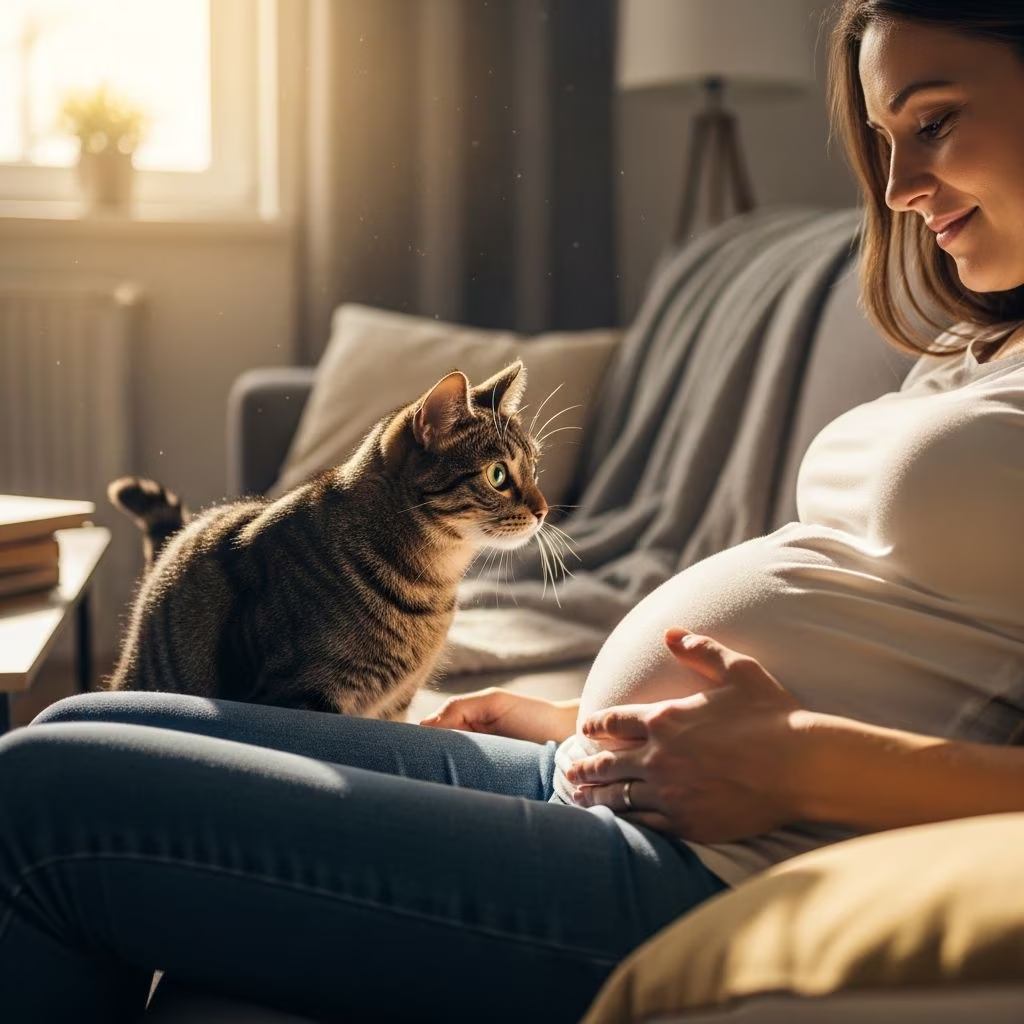
If you’re expecting a baby and wondering whether your feline friend knows something is different about you, you’re not alone. Many pregnant women report that their cats behave oddly during pregnancy — becoming clingier, more protective, or even more distant. But can cats actually sense pregnancy, or is this just coincidence and wishful thinking? The answer is more nuanced than a simple yes or no.
Do Cats Really Sense Pregnancy?
The short answer is: cats likely sense that something has changed about you, but they don’t understand pregnancy the way humans do. While there isn’t extensive scientific research specifically studying cats detecting human pregnancy, evidence from animal behavior studies and anecdotal reports from pet owners suggest that cats are perceptive enough to pick up on the physical and behavioral changes that accompany pregnancy.
Rather than “knowing” you’re pregnant in a conceptual sense, your cat is probably responding to tangible shifts in your body chemistry, sensory environment, and daily routine. Let’s explore how this works.
How Cats Might Detect Pregnancy
Cats possess several extraordinary sensory abilities that could theoretically allow them to detect pregnancy. Here are the primary ways researchers and veterinarians believe cats might notice changes:
1. Superior Sense of Smell and Hormonal Changes
Perhaps the most frequently cited explanation involves a cat’s remarkable olfactory system. Cats have approximately 200 million odor-sensitive cells in their noses, compared to humans’ 5 million. This means a cat’s sense of smell is roughly 14 times stronger than ours.
During pregnancy, your body undergoes significant hormonal changes. Specifically, pregnancy triggers increased production of:
- hCG (human chorionic gonadotropin): Produced by placental cells, this hormone reaches very high levels in early pregnancy and is used to detect pregnancy in urine and blood tests
- Estrogen and progesterone: These hormones rise dramatically to maintain the pregnancy and prevent uterine lining shedding
- Prolactin: This hormone begins increasing early in pregnancy to prepare for milk production
- Relaxin: This hormone starts rising early to prepare uterine muscles and pelvic joints for labor
These hormonal surges alter your natural body scent. While such changes might be negligible to human noses, your cat’s extraordinary sense of smell could detect these subtle shifts almost immediately.
However, it’s important to note a caveat: there is no scientific evidence proving that increased hCG levels specifically create a detectible scent change to cats. Additionally, cats don’t actually rely on their sense of smell as heavily as some other animals do, despite their superior olfactory capabilities.
2. Acute Hearing and Fetal Detection
Beyond smell, cats possess another impressive sensory advantage: exceptional hearing. Cats can detect frequencies and sound ranges that humans cannot, and their hearing is far more sensitive than ours in many respects.
As pregnancy progresses, particularly into the second and third trimesters, a developing fetus’s heartbeat becomes louder and more pronounced. While a fetal heartbeat typically becomes audible to humans with a stethoscope around 18 to 20 weeks of pregnancy, cats’ superior hearing might allow them to detect this sound earlier or more clearly, especially if they’re resting close to your abdomen.
This heightened auditory sensitivity could explain why some pregnant women notice their cats becoming increasingly interested in their belly as pregnancy advances. Your cat may literally be “hearing” something new and reacting with curiosity or protectiveness.
3. Increased Body Temperature and Heat-Seeking Behavior
Pregnancy causes subtle but measurable changes in body temperature. During ovulation and early pregnancy, basal body temperature (BBT) rises slightly and remains elevated. If your BBT stays elevated for 18 days or more, it can indicate pregnancy.
Cats are famous for seeking warmth — whether on sunny windowsills, under blankets, or in their owners’ laps. Your increased body temperature during pregnancy could make you an even more attractive heat source for your feline companion. While this temperature increase is subtle, a cat’s sensitivity to warmth is acute enough that they might notice and respond to it.
4. Detection of Behavioral and Routine Changes
Beyond physical changes, cats are excellent observers of their human companions’ behavior and routines. During pregnancy, you likely experience changes that your cat would notice:
- Altered movement patterns or mobility
- Changes in sleep schedules or positions
- Shifting energy levels and activity
- New bathroom habits (morning sickness, frequent urination)
- Reorganization of your living space (preparing a nursery)
- Differences in emotional state or stress levels
Cats thrive on consistency and predictability. Even subtle shifts in these patterns can signal to your observant feline that something significant is happening in their environment. Your cat doesn’t need to understand pregnancy specifically to recognize that their daily world has changed.
Common Behavioral Changes in Cats During Pregnancy
If your cat is sensing that something is different about you during pregnancy, how might they respond? Pet owners frequently report various behavioral shifts:
Increased Affection and Clinginess
Many pregnant women notice their cats becoming noticeably more affectionate, following them from room to room, sitting on their laps more frequently, or demanding more attention than usual. Some cats may specifically seek out contact with the pregnant person’s abdomen.
Heightened Protectiveness
Some cats display more protective or vigilant behavior during their owner’s pregnancy, as though taking on a guardianship role. This might manifest as increased attentiveness or subtle changes in how they interact with other household members.
Increased Alertness
As pregnancy progresses and a cat develops the ability to hear a fetal heartbeat, you may notice your cat becoming more alert and watchful, particularly around your abdomen. They may stare at your belly or place their paws on it more frequently.
Stress or Withdrawal
Conversely, some cats respond to pregnancy-related changes with stress or withdrawal. They may become more distant, hide more often, or show signs of anxiety. This can occur because cats are sensitive to routine disruptions and may feel uncertain about upcoming changes.
Changes in Sleep Patterns
Some pregnant women report that their cats sleep closer to them or at different times than usual, possibly responding to changes in the pregnant person’s own sleep patterns or comfort needs.
What the Science Actually Says
While anecdotal evidence abounds, the scientific picture is more cautious. There is no hard scientific evidence that changes in your cat’s behavior definitively indicate they know you’re pregnant. Research specifically studying cats detecting human pregnancy is extremely limited.
However, broader animal behavior research does support the idea that pets can pick up on:
- Hormonal shifts in humans
- Emotional and mood changes
- Physical differences in posture and movement
- Alterations to daily routines and patterns
It’s reasonable to conclude that cats likely detect pregnancy through a combination of sensory and behavioral cues rather than through any single mechanism. Whether they respond with affection, protectiveness, or stress depends on individual cat personalities and how sensitive they are to change.
Is It Safe to Keep a Cat During Pregnancy?
One concern some pregnant women have is whether maintaining contact with a cat poses health risks. The good news: yes, it is absolutely safe to keep a cat during pregnancy, as long as you don’t have specific allergies or other medical contraindications.
The primary concern with cats and pregnancy involves toxoplasmosis, a parasitic infection that can theoretically be transmitted through contact with cat feces. However, this risk is manageable through basic hygiene practices: wear gloves when cleaning litter boxes, wash your hands thoroughly, and keep your cat’s litter box clean. Normal affection and cuddles with your cat pose no significant risk.
In fact, having a supportive pet during pregnancy can provide emotional comfort and companionship during this transformative period.
Frequently Asked Questions
Q: Can cats smell pregnancy hormones?
A: While cats have an extraordinary sense of smell that theoretically could detect hormonal changes, there is no scientific evidence proving that cats can specifically smell pregnancy hormones like hCG. Cats’ superior olfactory abilities don’t necessarily translate to detecting pregnancy in particular.
Q: At what point in pregnancy might a cat notice changes?
A: Cats might detect hormonal and scent changes very early in pregnancy, even before you have a positive test result. However, behavioral changes may become more obvious as pregnancy progresses and physical changes become more apparent, particularly when they can hear a fetal heartbeat in the second and third trimesters.
Q: Why is my cat suddenly clingy during pregnancy?
A: Your cat’s increased clinginess could result from detecting your hormonal changes, sensing your increased body temperature, noticing changes in your behavior or routine, or picking up on your emotional state. It could also simply be coincidental — cats’ behavior naturally fluctuates for many reasons.
Q: Can my cat hear my baby’s heartbeat?
A: It’s possible that cats’ acute hearing might allow them to detect a fetal heartbeat, especially later in pregnancy when the heartbeat is louder and when they’re positioned close to your abdomen. However, this hasn’t been scientifically confirmed.
Q: What should I do if my cat’s behavior changes during pregnancy?
A: Monitor your cat’s behavior and ensure they’re healthy. If behavioral changes seem extreme or are accompanied by signs of illness, consult your veterinarian. Most behavioral changes during pregnancy are benign responses to the changes you’re experiencing.
Q: Is it safe to be around cats while pregnant?
A: Yes, it is safe to be around cats during pregnancy. Just practice good hygiene, especially regarding litter box maintenance. Avoid changing the litter box if possible, wear gloves if you must, and wash your hands thoroughly afterward.
The Bottom Line
So, can your cat sense that you’re pregnant? The honest answer is: probably yes, your cat senses something is different about you, but not in the way humans understand pregnancy. Your feline friend likely detects a combination of hormonal changes, physical alterations, behavioral shifts, and routine changes that signal something significant is happening.
Whether your cat responds with extra affection, protectiveness, curiosity about your changing body, or stress depends on their individual personality and how sensitive they are to change. Rather than viewing your cat’s behavior during pregnancy as a pregnancy detection mechanism, it’s more accurate to see it as their response to the genuine physical and emotional transformations occurring in your life.
The relationship between you and your cat during pregnancy can actually deepen as your pet provides comfort and companionship during this special time. Embrace those extra cuddles — your cat is simply responding to the new chapter unfolding in both your lives.
References
- Can Cats Sense Pregnancy? – GYN Women’s Centre — GYN Women’s Centre. https://gynwc.com/can-cats-sense-pregnancy/
- Do Cats Know When You’re Pregnant? – Litter-Robot — Litter-Robot. https://www.litter-robot.com/blog/can-cats-sense-pregnancy/
- Can cats sense pregnancy? Feline myths and facts – Clearblue — Clearblue. https://www.clearblue.com/am-i-pregnant/can-cats-sense-pregnancy
- Can Cats Sense Pregnancy? Research Says Maybe – Healthline — Healthline. https://www.healthline.com/health/pregnancy/can-cats-sense-pregnancy
- Can Pets Sense Pregnancy? – Cooperstown Veterinary Clinic — Cooperstown Veterinary Clinic. https://cooperstownveterinaryclinic.com/articles/general/418321-can-pets-sense-pregnancy
- Pregnant and have a cat? Expert Insights – The Cat Behavior Clinic — The Cat Behavior Clinic. https://www.thecatbehaviorclinic.com/how-do-cats-behave-when-humans-are-pregnant/



