

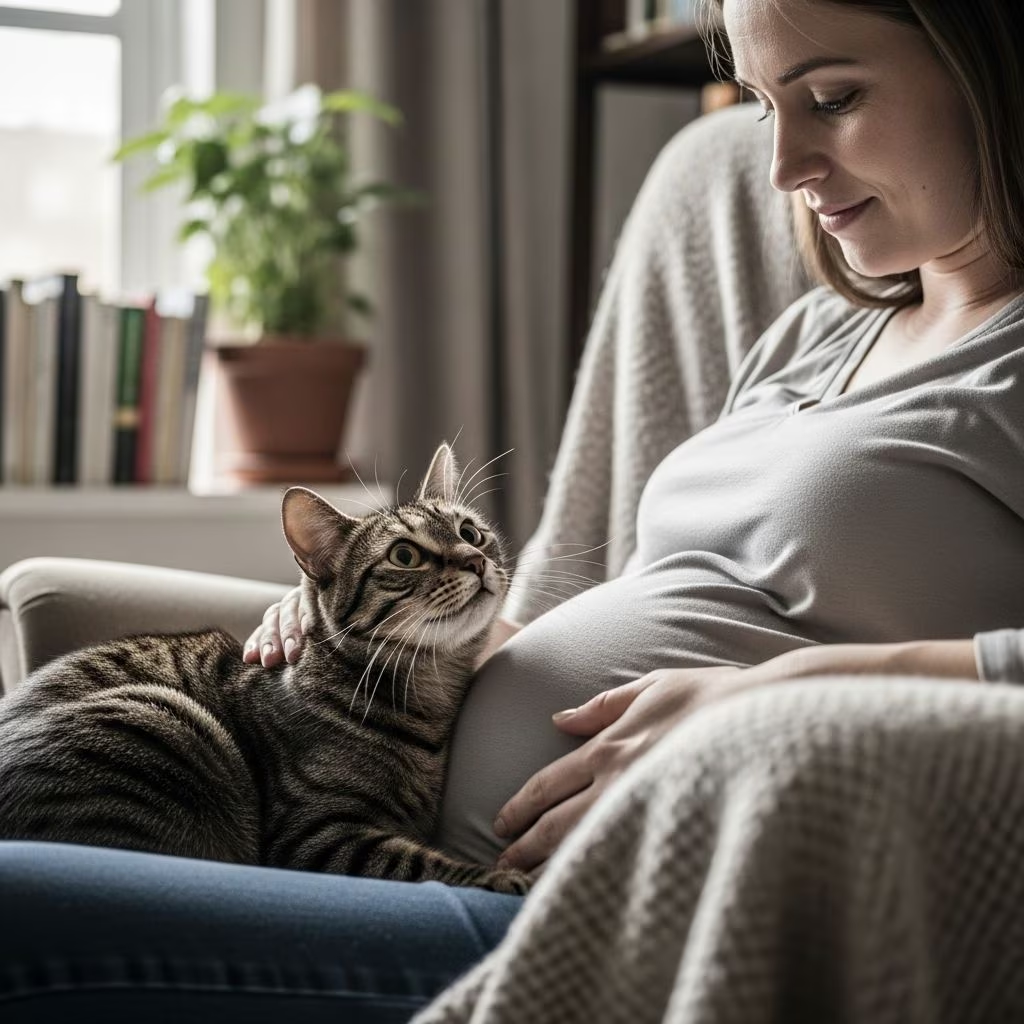
Cats possess extraordinary sensory abilities that allow them to perceive subtle changes in their environment and the people around them. Many expectant parents report noticeable shifts in their cat’s behavior upon becoming pregnant, sparking the question: can cats sense pregnancy? While cats do not comprehend the concept of human pregnancy in the intellectual sense humans do, their acute senses of smell, hearing, and observation enable them to detect physiological and behavioral alterations associated with it.
Pregnancy triggers significant hormonal fluctuations in the human body, including surges in estrogen, progesterone, and human chorionic gonadotropin (hCG). These changes alter a person’s natural scent, body temperature, and even subtle sounds like a fetal heartbeat later in gestation. Cats, with olfactory receptors far superior to humans—approximately 200 million compared to our 5 million—can pick up on these minute variations early on. Their hearing range also extends to higher frequencies, potentially allowing them to hear internal body changes as pregnancy advances.
How Cats Might Detect Pregnancy
Cats rely on multiple senses to navigate their world, making them highly attuned to their owners’ states. Here’s a breakdown of the primary ways they may sense pregnancy:
- Enhanced Sense of Smell: The cornerstone of a cat’s detection ability. Pregnancy hormones modify sweat, breath, and skin pheromones, creating a new scent profile that cats notice immediately. Studies on animal behavior indicate pets respond to such chemical signals, even if specific research on cats and human pregnancy is limited.
- Acute Hearing: Cats hear frequencies up to 64 kHz, far beyond human limits. As pregnancy progresses beyond 18-20 weeks, they might detect the fetal heartbeat, especially when close to the abdomen, leading to increased staring or proximity.
- Body Heat Changes: Pregnant individuals experience elevated basal body temperature due to increased metabolism and blood flow. Cats, lovers of warmth, often seek out these cozy spots, cuddling more on laps or bellies.
- Behavioral and Routine Shifts: Owners may move slower, experience nausea, or rearrange the home for a nursery. Cats, creatures of habit, react to these disruptions with curiosity or anxiety.
Common Behavioral Changes in Cats During Pregnancy
Once a cat senses something different, their responses vary widely based on personality, past experiences, and bond with the owner. Observing these changes can provide insights into your cat’s awareness.
- Increased Affection and Clinginess: Many cats become unusually cuddly, following owners everywhere or demanding more lap time. This may stem from scent changes or a desire for reassurance amid perceived instability.
- Protective Behavior: Some cats position themselves as guardians, sleeping near the owner or growling at strangers. This protectiveness mirrors instincts seen in feral cats safeguarding kittens.
- Heightened Alertness: Cats might stare at the abdomen, paw at it gently, or become more vigilant, possibly responding to internal sounds or movements.
- Avoidance or Stress: Not all reactions are positive; some cats hide, vocalize excessively (meowing more), or show aggression due to routine disruptions or hormonal scents overwhelming them.
- Excessive Purring or Kneading: Comfort-seeking behaviors like loud purring or ‘making biscuits’ on the belly increase, signaling contentment or an attempt to soothe both themselves and the owner.
Anecdotal evidence abounds from pet owners worldwide, with forums and blogs filled with stories of cats acting ‘weird’ weeks before pregnancy confirmation. While science lacks large-scale studies specifically on feline pregnancy detection, broader animal behavior research supports pets’ sensitivity to human hormonal states.
Scientific Perspective: What Research Says
Direct scientific studies on cats sensing human pregnancy are scarce, but related fields offer compelling evidence. Animal cognition research shows pets excel at reading human cues, including pheromonal changes. For instance, dogs are trained to detect certain cancers via scent, suggesting cats could similarly identify pregnancy hormones.
Hormone levels like hCG rise rapidly post-implantation, potentially altering odor profiles detectable by cats’ Jacobson’s organ, which analyzes scents. Hearing studies confirm cats’ superior auditory detection, aligning with reports of belly-staring in late pregnancy. However, sources like Clearblue note no definitive proof links cat behavior directly to pregnancy knowledge, attributing changes more to environmental shifts.
Conflicts exist: optimistic views from veterinary sites emphasize sensory prowess, while skeptical ones prioritize behavioral context. Authoritative consensus leans toward ‘possible but not proven,’ urging owners not to rely on pets for pregnancy confirmation—use tests instead.
Preparing Your Cat for the Baby’s Arrival
If your cat senses pregnancy early, use this time to ease the transition. Gradual preparation prevents jealousy or stress when the baby arrives.
- Introduce New Scents and Sounds: Play baby cries via apps and introduce baby lotion/powder scents on blankets for familiarization.
- Adjust Routines Early: Shift feeding, play, and sleep schedules to mimic post-baby life, avoiding sudden changes.
- Create a Safe Space: Set up a quiet room with their bed, litter, and toys where they can retreat from baby noise.
- Increase One-on-One Time: Extra play sessions reinforce your bond, reducing attention-seeking later.
- Train for Tolerance: Use treats to reward calm behavior around strollers, carriers, and dolls simulating baby handling.
Veterinarians recommend pheromone diffusers like Feliway to reduce anxiety. Monitor for signs of stress like over-grooming or appetite loss, consulting a vet if persistent.
Safety Considerations for Pregnant Women and Cats
Concerns about toxoplasmosis—a parasite from cat litter linked to birth defects—often arise. The American College of Obstetricians and Gynecologists states it’s safe to live with cats during pregnancy if basic hygiene is maintained: avoid changing litter (have others do it daily), wash hands after petting, and keep cats indoors to prevent hunting infected prey.
| Risk | Precaution |
|---|---|
| Toxoplasmosis | Delegate litter duty; freeze raw meat; wash produce |
| Scratches/Bites | Trim nails; avoid rough play |
| Allergies | Vacuum regularly; bathe cat if tolerated |
Most risks are low with precautions; the emotional benefits of pet companionship often outweigh them.
Frequently Asked Questions (FAQs)
Can cats smell pregnancy hormones?
Yes, cats’ superior sense of smell (14-40 times stronger than humans) likely detects hormonal shifts in scent from estrogen, progesterone, and hCG.
Why is my cat staring at my belly?
This could indicate hearing the fetal heartbeat (post-18 weeks) or sensing warmth/movement. It’s a common alert behavior.
Will my cat be jealous of the baby?
Possibly, due to routine changes. Proactive preparation minimizes jealousy.
Is it safe to have a cat while pregnant?
Yes, with hygiene practices to avoid toxoplasmosis. Consult your doctor.
What if my cat becomes aggressive?
Rare, but monitor and use calming aids. Seek vet or behaviorist help.
Conclusion: Trust Your Cat’s Intuition
Your cat’s quirky behaviors during pregnancy likely stem from their remarkable senses picking up on your changes. While not a replacement for medical tests, these signs highlight the deep human-feline bond. Embrace the extra cuddles and prepare thoughtfully for your growing family—your cat might just be the first to welcome the new member.
References
- Can Cats Sense Pregnancy? — GYN Women’s Centre. 2023. https://gynwc.com/can-cats-sense-pregnancy/
- Do Cats Know When You’re Pregnant? — Litter-Robot. 2024-05-15. https://www.litter-robot.com/blog/can-cats-sense-pregnancy/
- Can cats sense pregnancy? Feline myths and facts — Clearblue. 2022-10-28. https://www.clearblue.com/am-i-pregnant/can-cats-sense-pregnancy
- Can Cats Sense Pregnancy? Research Says Maybe — Healthline. 2023-08-10. https://www.healthline.com/health/pregnancy/can-cats-sense-pregnancy
- Is it safe to keep a cat during pregnancy? — The American College of Obstetricians and Gynecologists. 2020-10. https://www.acog.org/womens-health/experts-and-stories/ask-acog/is-it-safe-to-keep-a-cat-during-pregnancy



