

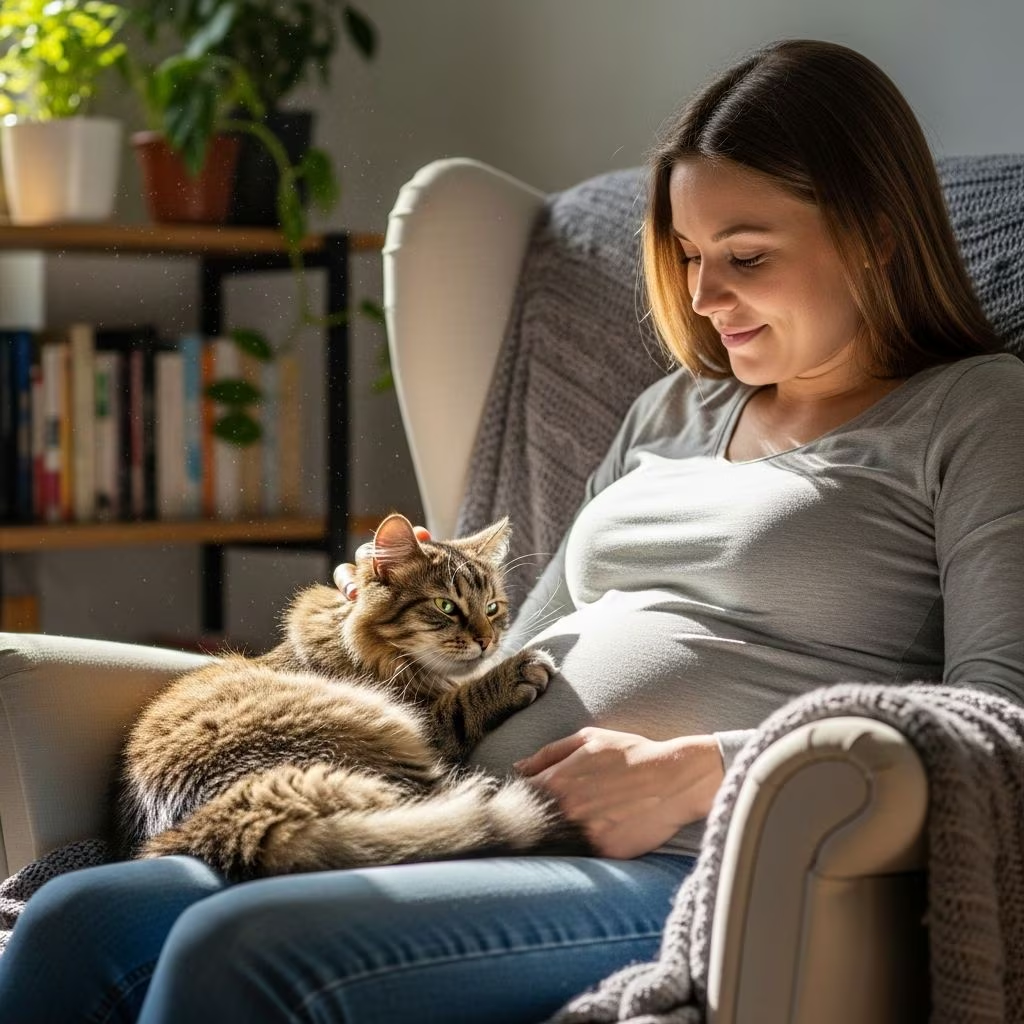
Your cat has been staring at your belly, curling up closer than usual, or acting strangely protective. Could your feline companion know you’re pregnant before you even confirm it? Cats possess extraordinary senses that may allow them to pick up on subtle changes in your body and behavior during pregnancy. While scientific research specifically on cats detecting human pregnancy is limited, evidence from animal behavior studies and veterinary observations suggests they can notice hormonal shifts, sounds, and physical alterations.
How Cats Might Sense Pregnancy
Cats are renowned for their acute senses, far superior to humans in several ways. Their ability to detect pregnancy likely stems from a combination of heightened smell, hearing, and observational skills. Here’s a breakdown of the primary mechanisms:
- Superior Sense of Smell: Cats have approximately 200 million odor-sensitive cells in their noses, compared to humans’ 5 million. Pregnancy triggers surges in hormones like estrogen, progesterone, and human chorionic gonadotropin (hCG), which can alter your natural scent. Cats may detect these chemical changes early on, even before noticeable symptoms appear.
- Acute Hearing: Cats can hear frequencies up to 64 kHz, far beyond human range. As pregnancy advances (around 18-20 weeks), they might pick up the fetal heartbeat, especially when close to your abdomen. This could explain increased staring or attentiveness in later trimesters.
- Body Heat Detection: Pregnant bodies often run warmer due to increased blood flow and metabolism. Cats, lovers of warmth, may seek out your belly for cozy naps, mistaking it for a heated spot rather than consciously sensing the baby.
- Behavioral Cues: Cats are masters at reading human routines. Changes in your movement, nausea, fatigue, or preparations like setting up a nursery can signal something different, prompting varied responses.
Common Cat Behaviors During Pregnancy
Cat owners frequently report shifts in their pets’ demeanor upon pregnancy. These reactions vary by individual cat personality, but patterns emerge:
- Increased Affection: Many cats become clingier, following you everywhere or demanding more lap time. This may stem from hormonal scent changes or seeking your newfound warmth.
- Protectiveness: Some cats position themselves as guardians, sleeping by your side or growling at strangers. Their territorial instincts kick in response to perceived changes.
- Heightened Alertness: Cats might stare at your belly, paw at it gently, or become more vigilant, possibly hearing internal sounds.
- Avoidance or Stress: Not all reactions are positive; some cats hide, vocalize more (meowing excessively), or show aggression due to disrupted routines or anxiety over changes.
- Extra Grooming: Maternal instincts might lead cats to lick you more, mirroring how they care for kittens.
These behaviours often start early, sometimes weeks before a positive test, aligning with initial hormonal fluctuations.
Science Behind Cats Sensing Pregnancy
Direct studies on cats and human pregnancy are scarce, but related research supports the possibility. Animal behavior experts note pets detect hormonal and emotional shifts in owners. For instance:
| Cat Sense | Human Capability | Pregnancy Relevance |
|---|---|---|
| Smell | 14-40x stronger | Detects hCG, estrogen, progesterone shifts |
| Hearing | High frequencies (64 kHz) | Possible fetal heartbeat detection post-18 weeks |
| Heat Sensitivity | Seeks warmth instinctively | Drawn to elevated body temp |
Anecdotal evidence abounds from pet owners and vets, with many reporting precognitive-like behaviors. However, skeptics like Clearblue argue no hard proof exists that cats consciously ‘know’ about pregnancy; changes may simply reflect environmental shifts. Veterinary clinics observe similar patterns in dogs and cats sensing owner mood or health changes.
Preparing Your Cat for the Baby
If your cat senses pregnancy, they’ll likely notice the baby too. Gradual preparation ensures a smooth transition:
- Maintain Routines: Keep feeding, play, and litter schedules consistent to minimize stress.
- Introduce Baby Items Early: Let your cat explore cribs, strollers, and diapers with positive reinforcement (treats).
- Gradual Space Reduction: Restrict nursery access weeks ahead using baby gates.
- Increase Attention: Extra playtime prevents jealousy; use toys mimicking baby cries to desensitize.
- Health Check: Schedule a vet visit to rule out unrelated issues mimicking behavioral changes.
- Family Involvement: Have others feed and play with the cat so dependence isn’t solely on you.
Post-birth, supervise initial interactions. Most cats adapt well, often becoming gentle with infants.
Safety Concerns: Cats and Pregnancy
Good news: Cats pose no inherent risk during pregnancy. Myths about toxoplasmosis (from litter boxes) are overstated if hygiene is maintained. The American College of Obstetricians and Gynecologists confirms it’s safe to keep cats, provided:
- Avoid changing litter; delegate to others to prevent parasite exposure.
- Wash hands after handling cat waste or raw meat.
- Keep cats indoors to avoid hunting infected prey.
- Regular deworming and flea prevention.
No evidence links cat scratches/bites to miscarriage risks beyond infection prevention basics. Allergies are personal; consult your doctor.
Frequently Asked Questions (FAQs)
Can cats smell pregnancy hormones?
Yes, their superior sense of smell (200 million receptors vs. humans’ 5 million) likely detects shifts in hCG, estrogen, and progesterone.
Can cats hear the baby’s heartbeat?
Possibly in later pregnancy (18+ weeks), as cats hear high frequencies humans can’t.
Why is my cat clingy during pregnancy?
They may seek your warmth, respond to scent changes, or sense routine shifts.
Is it safe to have a cat while pregnant?
Yes, with litter hygiene precautions against toxoplasmosis.
What if my cat acts aggressive?
Stress from changes; consult a vet or behaviorist for training aids.
Conclusion: Trust Your Cat’s Intuition
While cats don’t comprehend pregnancy conceptually, their senses make them uncanny detectors of bodily changes. Embrace these shifts as signs of your cat’s bond with you, and prepare thoughtfully for your growing family. Observing your cat could even offer early pregnancy insights—take a test if behaviors align!
References
- Can Cats Sense Pregnancy? — GYN Women’s Centre. Accessed 2026. https://gynwc.com/can-cats-sense-pregnancy/
- Do Cats Know When You’re Pregnant? — Litter-Robot. Accessed 2026. https://www.litter-robot.com/blog/can-cats-sense-pregnancy/
- Can cats sense pregnancy? Feline myths and facts — Clearblue. Accessed 2026. https://www.clearblue.com/am-i-pregnant/can-cats-sense-pregnancy
- Can Cats Sense Pregnancy? Research Says Maybe — Healthline. Accessed 2026. https://www.healthline.com/health/pregnancy/can-cats-sense-pregnancy
- Is it safe to keep a cat during pregnancy? — The American College of Obstetricians and Gynecologists. 2020-10-01. https://www.acog.org/womens-health/experts-and-stories/ask-acog/is-it-safe-to-keep-a-cat-during-pregnancy
- Pregnant and have a cat? | Expert Insights — The Cat Behavior Clinic. Accessed 2026. https://www.thecatbehaviorclinic.com/how-do-cats-behave-when-humans-are-pregnant/



