

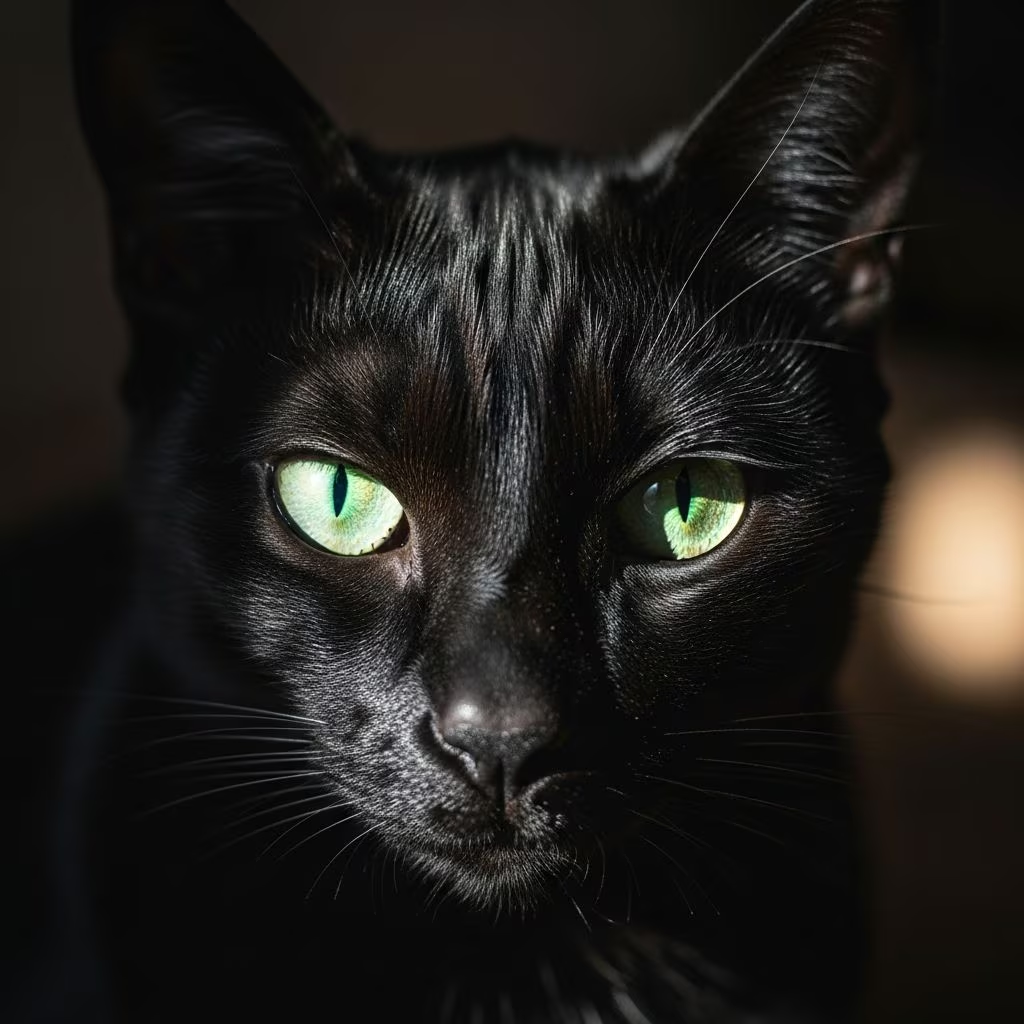
Cats possess extraordinary sensory abilities that allow them to perceive subtle cues in humans that often escape our notice. While they cannot detect moral ‘evil’ in a supernatural sense, their keen senses of smell, hearing, and observation of body language enable them to identify potentially dangerous or untrustworthy individuals.
How Cats’ Superior Senses Help Them Detect ‘Evil’
Cats have highly developed senses that far surpass human capabilities, making them exceptional at picking up on signs of danger or negativity. Their sense of smell is particularly acute, detecting pheromones, stress hormones like adrenaline, and subtle changes in human scent profiles. For instance, when a person is nervous or fearful, their body releases chemicals through sweat that cats can readily identify.
Additionally, cats are masters at reading body language. They notice tense muscles, dilated pupils, heavy breathing, and micro-expressions that indicate hidden tension or malice. A 2012 study highlighted in feline behavior research showed cats alter their responses based on human body language cues, becoming wary around those displaying aggressive or insincere postures.
- Superior sense of smell: Detects fear-induced hormones and pheromones invisible to humans.
- Body language expertise: Picks up on tense postures, pupil dilation, and breathing changes.
- Hearing acuity: Notices variations in voice tone that betray insincerity or anger.
These abilities make cats natural guardians, often reacting defensively to protect their owners from perceived threats.
Body Language: Cats’ First Line of Defense
Cats are constantly vigilant, scanning for threats in their environment. They interpret human body language with precision, distinguishing between safe and dangerous individuals almost instantly. Humans might mask their intentions with smiles, but cats detect underlying tension through stiff movements or averted gazes.
Research from Animal Cognition indicates cats look to familiar humans for cues but independently assess strangers based on physical signals. If a visitor’s posture suggests hostility—crossed arms, leaning away, or rapid gestures—cats may hiss, arch their backs, or hide, signaling their discomfort.
| Positive Body Language | Cat Reaction | Negative Body Language | Cat Reaction |
|---|---|---|---|
| Relaxed posture, open arms | Approaches, rubs against legs | Tense shoulders, clenched fists | Avoids, stares intently |
| Slow blinks, soft voice | Purrs, sits nearby | Staring, heavy breathing | Hisses, puffs tail |
| Gentle petting motions | Exposes belly, kneads | Sudden movements | Flees or swats |
This table illustrates common reactions, underscoring cats’ instinctive judgments.
Can Cats Smell Fear or Stress?
Yes, cats can smell fear and stress through chemical signatures. When humans experience anxiety, adrenaline and cortisol alter their scent, which cats detect via their 200 million olfactory receptors—14 times more than humans. Your cat might notice if you’re uneasy around someone, even if you hide it, and position itself protectively.
Anecdotal evidence from cat owners supports this: cats often become defensive when owners are nervous, mirroring the emotion or amplifying the alert. This isn’t psychic; it’s biological detection of volatile compounds released in stress responses.
Cats’ Facial Expression Recognition
Beyond body language, cats recognize human facial expressions. They distinguish genuine smiles from forced ones, responding positively to happy faces and warily to scowls or neutral masks hiding disdain. With 276 distinct facial expressions of their own, cats are attuned to human micro-expressions that reveal true emotions.
Studies show cats prefer faces showing joy or contentment, approaching owners with positive expressions more readily. Negative or ambiguous faces prompt avoidance, as cats associate them with potential threats.
Voice Tone and Vocal Cues
Cats are highly sensitive to voice tones. A soothing tone invites interaction, while harsh, loud, or insincere voices trigger retreat or aggression. They recognize specific voices and associate tones with past experiences—gentle tones mean safety, erratic ones signal danger.
Even subtle vocal shifts, like strain from suppressed anger, don’t escape a cat’s notice. This auditory discernment helps them categorize people quickly.
Associative Memory in Cats
Cats form strong associative memories linking people to outcomes. A person who once fed them or played gently is trusted; one associated with loud noises or rough handling is avoided. They don’t hold grudges long-term but remember patterns, influencing future interactions.
For example, if a ‘bad’ person previously startled the cat, it will steer clear upon their return, using memory to preempt risk.
Do Cats Mirror Their Owner’s Emotions?
Cats often mirror owner emotions, amplifying anxiety or relaxing in sync with calm states. When you’re stressed around someone, your cat senses it via pheromones and body cues, becoming hyper-vigilant or clingy. This empathetic response strengthens the human-cat bond and serves as an early warning system.
Signs Your Cat Dislikes Someone
- Avoidance: Hiding or refusing to enter the room.
- Hissing/Growling: Vocal warnings of discomfort.
- Swatting or Scratching: Defensive aggression.
- Tail Puffing: Fur standing on end signals alarm.
- Protective Behavior: Positioning between you and the person.
These behaviors indicate your cat perceives a threat.
Why Do Some Cats Warm Up to ‘Bad’ People?
Not all cats react uniformly; personality, past experiences, and socialization play roles. A confident cat might confront rather than flee, while a shy one hides. Some ‘bad’ people unintentionally appeal if they mimic cat-friendly behaviors.
Cat Behavior Myths Debunked
Myths portray cats as psychic or supernatural detectors, but science attributes their skills to biology. They don’t see spirits or read minds; they excel at sensory integration. Ancient beliefs in cats warding off evil stem from observed protectiveness.
Frequently Asked Questions (FAQs)
Can cats sense evil spirits?
No, cats cannot sense supernatural evil, but their reactions to negative energy or stress mimic this myth.
Why does my cat hiss at certain people?
Your cat detects stress pheromones, tense body language, or past negative associations.
Do cats protect their owners from bad people?
Yes, through defensive behaviors like positioning or vocalizing to alert you.
Can cats tell if someone doesn’t like them?
Absolutely, via body language, tone, and scent cues indicating dislike.
Is it true cats judge character better than humans?
Cats are unbiased judges based on observable cues, often spotting insincerity humans miss.
Conclusion: Trust Your Cat’s Instincts
Your cat’s reactions offer valuable insights. While not infallible, their senses provide a reliable gauge of people’s true nature. Next time your cat avoids someone, pay attention—it might be onto something.
References
- How Cats Can Sense a Bad Person (And Other Cat Surprising Facts) — YouTube (Feline Fanatics channel). 2024. https://www.youtube.com/watch?v=NV3YGMKxFAo
- How Your Cat Can Recognize and Warn You About Bad People — YouTube (Feline Fanatics). 2024-11-10. https://www.youtube.com/watch?v=8NEstKm0I_g
- Can Cats Sense Bad People? — Two Crazy Cat Ladies. Accessed 2026. https://twocrazycatladies.com/cat-behavior/can-cats-sense-bad-people/
- Can Cats See the Supernatural? — The Refined Feline. Accessed 2026. https://www.therefinedfeline.com/can-cats-see-the-supernatural-2/
- Do Cats Ward Off Evil Spirits? Myths & Feline Psychic Powers — Zeze Life. Accessed 2026. https://www.zezelife.com/do-cats-ward-off-evil-spirits-myths-feline-psychic-powers/



