

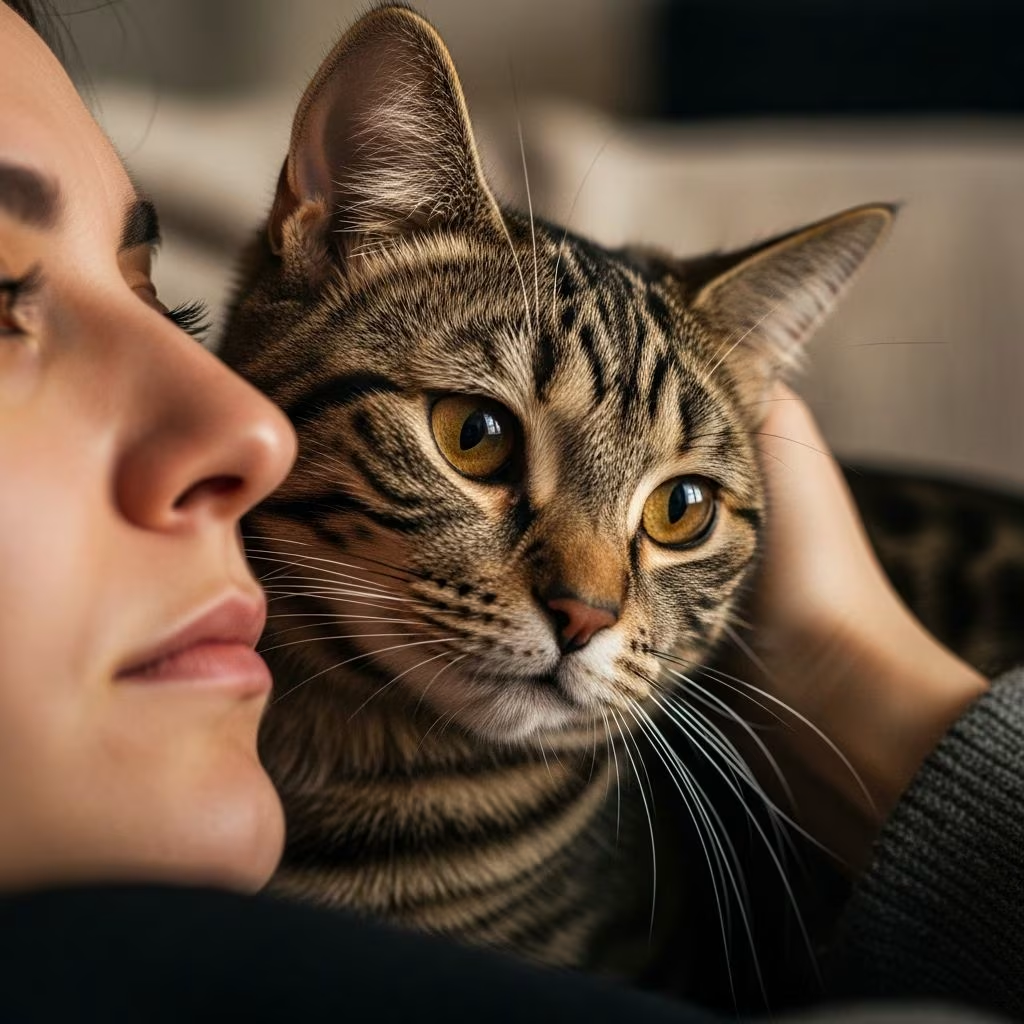
Can Cats Sense Anxiety and Depression in Humans?
Many cat owners have wondered whether their feline companions can detect when they’re experiencing anxiety, depression, or other emotional distress. The answer is remarkably clear: cats can indeed sense both anxiety and depression in their human companions. Research has demonstrated that cats possess sophisticated emotional recognition abilities that allow them to perceive and respond to changes in their owners’ mental and emotional states.
How Do Cats Recognize Human Emotions?
Cats use multiple sensory channels to interpret human emotions. A 2020 study by researchers at the University of Bari examined whether cats recognize human emotions by using both visual and auditory signals. The research presented different emotional stimuli, such as “happiness” and “anger,” portrayed through facial expressions and nonverbal sounds. The findings demonstrated that cats were able to discriminate between these emotions, implying they can recognize them as separate emotional states.
According to Dr. Liz Bakall, a veterinarian and behaviorist in Bristol, U.K., “Cats are highly attuned to subtle cues that tell them when all is not well. They can read our emotional state by observing our routines and habits, as well as facial and scent markers.”
The Science Behind Feline Emotion Detection
Cats don’t rely solely on facial expressions and vocalizations to interpret human moods. Cats are sensitive to changes in physiological parameters, including heart rate, breathing patterns, and blood pressure—all of which are symptoms of depression, stress, and anxiety. Additionally, cats are highly attuned to their owners’ schedules, and even small alterations to daily routines are noted by these perceptive animals.
Research using social referencing demonstrates this ability clearly. In a study by Animal Cognition, cat-and-owner pairs were brought into a room containing fans with streamers to induce anxiety and uncertainty. When humans showed signals of anxiety or anger, cats exhibited higher stress levels compared to when their owners displayed happiness. This functional response shows that cats actively monitor and react to their owners’ emotional states.
Can Cats Sense Sadness?
Cats are observant and intuitive creatures that understand emotional cues from humans, allowing them to sense sadness effectively. According to research on emotion recognition in cats, these animals are able to recognize both human and feline emotions through auditory and visual observations.
When cats perceive sadness in their owners, they associate the visual and auditory signals—such as frowning and a listless voice—with how they are addressed or treated during these emotional episodes. This association helps cats develop a more comprehensive understanding of their owner’s emotional state and prompts them to adjust their behavior accordingly.
Can Cats Sense Depression?
Cats appear particularly attuned to depression in their human companions. It appears that cats can sense human moods as well as depression. The observant and intuitive nature of cats allows them to understand emotional cues from humans, enabling them to detect depressive states.
Interestingly, many cat owners report behavioral changes when they experience depression. Some cats may come in closer proximity when their owners are depressed. Certain cats even purr and rub themselves more frequently once they sense that their human is experiencing depression. However, this response varies among individual cats, as each has a unique personality and their own distinct ways of adjusting behavior when sensing their owner’s depression.
How Do Cats Respond to Your Anxiety?
Research has conclusively demonstrated that cats can sense anxiety and anxiety attacks. In the Animal Cognition study, the behavior of cats changed noticeably based on their owners’ emotional state. When owners displayed anxiety or anger while interacting with potentially stressful stimuli, their cats’ stress levels increased accordingly.
This response indicates that cats don’t simply detect anxiety—they also absorb and mirror the emotional state of their owners. A research study by Nottingham Trent University supports this finding, showing that cats are able to determine when their humans are anxious or stressed, and they can mirror their human’s emotions and well-being.
Do Cats Try To Cheer You Up?
One of the most heartwarming aspects of cat behavior is their apparent attempt to provide comfort when their owners are struggling emotionally. Research demonstrates that cats detect and interpret the emotional cues of their social circle, whether with other cats or humans.
Yes, cats do engage in social behavior and form enduring bonds with their humans, which is partly dependent on their owner’s emotional state. As cats became domesticated, they developed cognitive and social skills for understanding human emotions, enabling them to behave accordingly in response to their owners’ communication cues and emotional expressions.
More specifically, cats are intuitive and can understand the moods and emotions of their humans. They engage with their owners more frequently when they are sad or depressed, and they approach them more often when their owners are anxious or agitated. Cats may demonstrate their supportive behavior in several ways:
- Looking at you intently
- Sitting near you in close proximity
- Rubbing themselves against you
- Purring, which can actually calm you down and help lower your blood pressure
- Increasing physical affection and touch
For cats who have bonded strongly with their owners, they can be exceptional therapy animals. Their ability to sense emotional distress and respond with calming behaviors demonstrates their value as emotional support companions.
Signs of Depression in Cats
While cats can sense depression in their owners, it’s also important to recognize when cats themselves may be experiencing depression or anxiety. Understanding these signs helps cat owners provide appropriate care and veterinary intervention when needed. Common signs of feline depression include:
- Loss of appetite or weight loss — Depressed cats may lose interest in food, leading to visible weight changes
- Disinterest in social interaction — Cats may withdraw from humans or other pets in the household
- Low energy or lack of play interest — Depressed cats show reduced engagement in activities they previously enjoyed
- Lethargy or excessive sleeping — Sleeping more than usual may indicate depression, especially if the cat loses interest in play
- Character changes — Uncharacteristic aggression or irritability can signal underlying distress
- Neglect of grooming and hygiene — A depressed cat may not maintain its usual grooming habits
- Increased vocalization — Constant meowing or yowling, or conversely, unusual quietness in typically vocal cats
- Hiding or isolation — Seeking isolation and avoiding previously enjoyed activities
- Litter box changes — Urinating or defecating outside the litter box can signal stress, anxiety, or depression
- Excessive scratching — Cats may relieve stress and anxiety by excessively scratching objects or their own bodies
Changes in Cat Body Language and Behavior
A depressed cat often displays signs of restlessness through various body positions and behavioral changes. Understanding these signals is crucial for recognizing when your cat might need attention or veterinary care.
Body Language Indicators:
- Ears held back
- Tail tucked close to the body
- Hair raised on the body when uneasy
- Changes in posture and positioning
Changes in a cat’s social behavior can be a key indicator of mental health issues. Cats are creatures of habit and display consistent social patterns, so when a cat begins to withdraw, becomes unusually aggressive, or excessively seeks attention, it may signal underlying psychological distress. Additionally, changes in vocalization patterns—whether an increase in meowing and yowling or sudden silence in typically vocal cats—can indicate anxiety, stress, or depression.
The Impact of Environmental Factors on Cat Emotions
Environmental changes can significantly affect a cat’s emotional well-being and their ability to sense their owner’s emotions accurately. Factors such as household moves, introduction of new pets, or changes in family dynamics can disrupt a cat’s routine and contribute to anxiety or depression.
These environmental stressors can also alter a cat’s sleep patterns—excessive sleeping or lethargy might indicate depression, while increased restlessness or insomnia can be signs of anxiety or stress. When your cat is experiencing environmental stress, they may be more reactive to detecting and mirroring your emotional states as well.
Frequently Asked Questions (FAQs)
Q: Can all cats sense anxiety and depression, or is it specific to certain breeds?
A: Research indicates that cats across different breeds and backgrounds can sense human emotions. However, individual cats have different personalities and levels of emotional sensitivity. Cats that have formed strong bonds with their owners are typically more attuned to their emotional states.
Q: What should I do if I suspect my cat is depressed?
A: If you notice persistent signs of depression in your cat—such as significant changes in eating habits, activity level, or social behavior—consult with a veterinarian. These symptoms could indicate underlying health issues or emotional distress that requires professional evaluation and treatment.
Q: How can I help my cat feel more comfortable when I’m experiencing anxiety?
A: Maintaining a stable routine, providing a calm environment, and engaging in stress-reducing activities with your cat can help. Since cats mirror their owners’ emotions, taking care of your own mental health benefits both you and your feline companion.
Q: Can a cat’s presence actually help reduce human anxiety and depression?
A: Yes, cats can be effective therapy animals for individuals experiencing anxiety and depression. Their purring has been shown to lower blood pressure, and their intuitive responses to emotional distress can provide comfort and emotional support.
Q: How does a cat’s sense of smell contribute to emotion detection?
A: Cats have an excellent sense of smell and can detect physiological changes associated with emotions, including changes in body chemistry related to stress and anxiety. This olfactory ability complements their visual and auditory perception of human emotions.
References
- Can Cats Sense Sadness, Depression and Anxiety in People? — Petcube. https://petcube.com/blog/can-cats-sense-sadness-depression-and-anxiety/
- Mental Health in Cats, Part 1: Cat Behavior and Its Connection to Mental Health — BSM Partners. https://www.bsmpartners.net/insights/mental-health-in-cats-part-1-cat-behavior-and-its-connection-to-mental-health/
- 8 Alarming Signs of Depression in Cats — Autumn Trails Veterinary Center. https://autumntrailsvet.com/signs-of-depression-in-cats/
- Can Cats Sense Anxiety and Depression in Their Owners? — Cats.com. https://cats.com/can-cats-sense-anxiety-and-depression
- Do Cats Get Depressed? — Germantown Animal Hospital. https://www.germantownah.com/site/blog-memphis-vet/2024/07/15/cat-depression



