

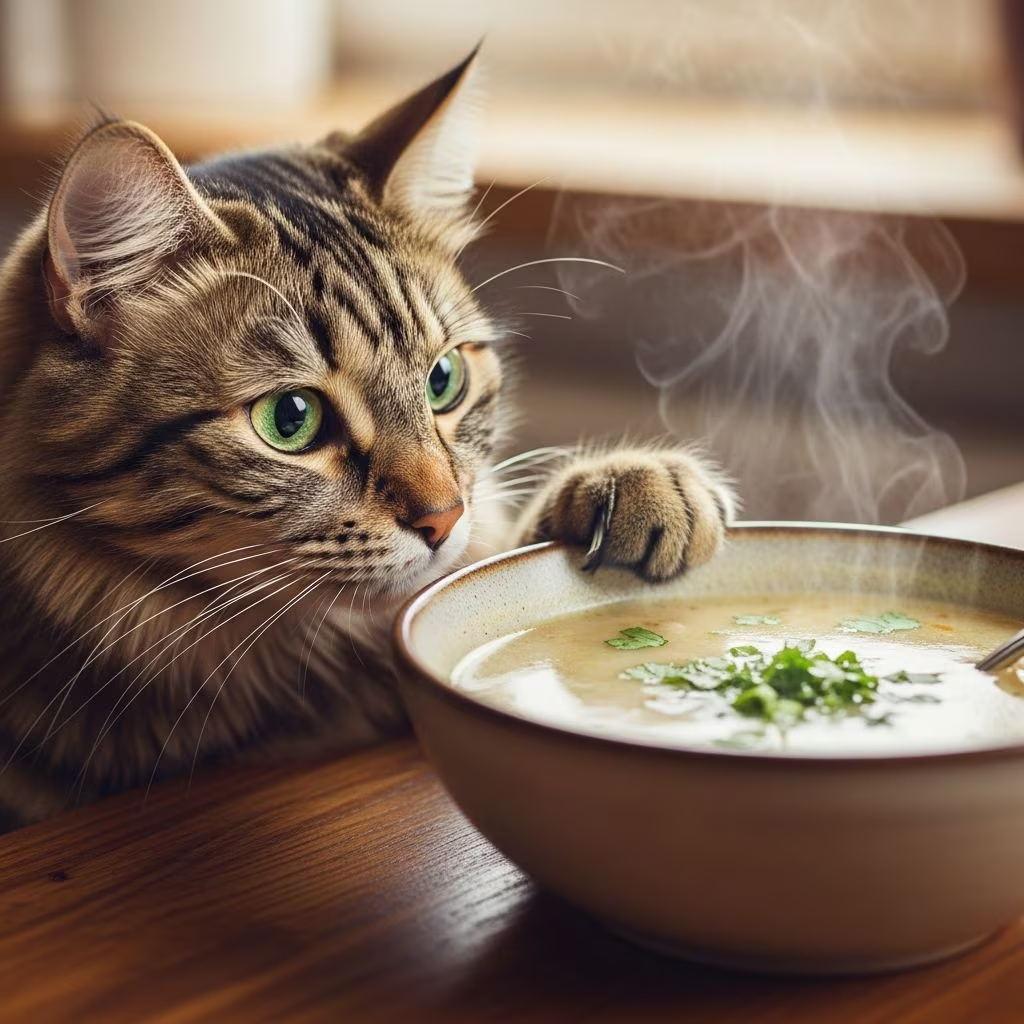
Cats can consume certain types of soup under specific conditions, primarily low-sodium, homemade broths free of toxic ingredients, which may help with hydration and digestion but should never replace balanced cat food.
Understanding Feline Dietary Needs
As obligate carnivores, cats require diets dominated by animal proteins, essential fats, taurine, and specific vitamins to maintain muscle mass, organ function, and overall vitality. Soups, even beneficial ones, rarely provide complete nutrition due to insufficient protein density—ideally 40% or more for adults—and lack of balanced minerals.
Commercial cat foods are formulated to meet these standards per AAFCO guidelines, whereas human soups often prioritize flavor over feline physiology, leading to potential imbalances if over-relied upon.
Risks Hidden in Human Soups
Most store-bought soups pose dangers to cats through excessive sodium and harmful additives. Sodium levels in canned varieties can exceed safe thresholds, causing ion poisoning with symptoms like vomiting, diarrhea, lethargy, tremors, and seizures.
- Onions, garlic, leeks, chives, scallions: Allium family members damage red blood cells, leading to hemolytic anemia.
- Mushrooms and eggplants: Potential toxins vary by type, risking gastrointestinal upset or organ damage.
- Dairy in creamy soups: Many cats lack lactase, causing lactose intolerance symptoms.
- Preservatives like MSG or sodium phosphate: May trigger neurological issues or dehydration.
A cat weighing 4kg would need only 8-12g of salt for toxicity, easily achievable from one serving of salty soup.
Potential Benefits of Cat-Safe Soups
When prepared correctly, plain broths offer hydration boosts, especially for seniors, dehydrated cats, or those with dental pain. Liquid forms ease swallowing and digestion during illness recovery.
Beef bone broths supply collagen, supporting joint health in arthritic cats and soothing gut linings for those with sensitivities. Chicken broth can replenish electrolytes during vomiting or colds, aiding immune function. Low-calorie options prevent weight gain in older felines needing fewer calories but more moisture.
Homemade Recipes for Feline Broths
Creating soup at home allows control over ingredients. Always use fresh, unseasoned meats and bones, simmering slowly to extract nutrients without salt.
Simple Chicken Broth Recipe
- Boil 1lb boneless chicken breast in 4 cups water for 30 minutes.
- Shred chicken, strain broth, cool, and serve 1-2 tbsp daily.
- Store refrigerated up to 3 days or freeze in ice cube trays.
This provides protein and moisture without risks.
Nutrient-Rich Beef Bone Broth
- Roast 2lbs beef bones at 400°F for 30 minutes.
- Simmer in 6 cups water with a splash of apple cider vinegar (1 tsp) for 12-24 hours to draw out minerals.
- Strain, skim fat, and portion into 1oz servings.
Collagen benefits joints; consult vets for serving sizes.
| Recipe Type | Key Benefits | Prep Time | Serving Size (per 5kg cat) |
|---|---|---|---|
| Chicken Broth | Hydration, electrolytes | 40 min | 2 tbsp/day |
| Beef Bone Broth | Joints, digestion | 24 hours | 1 oz/day |
| Tuna Water (plain) | Omega-3s, appeal | 5 min | 1 tbsp/day |
Commercial Cat Soups: A Convenient Option
Pet brands now produce feline-specific soups, formulated with balanced nutrients, low sodium, and no toxins. These mimic broths but include taurine and vitamins, ideal for picky eaters or hydration toppers. Warm slightly to enhance aroma and palatability.
Alternatives to Boost Hydration
If soup isn’t appealing, consider these vet-recommended options:
- Wet cat food: High moisture (78-82%), complete nutrition.
- Electrolyte supplements: Powdered mixes for water bowls, though cats may reject flavors.
- Fountains or flavored water: Encourage drinking via running water or tuna juice dilution.
- Toppers: Broth poured over kibble to soften and moisten.
Recognizing and Addressing Dehydration
Check gums for moistness (not sticky), skin tenting (quick snap-back), and litter clumping. Chronic low intake risks kidney strain, UTIs, and constipation. Soups help acutely, but address underlying issues like illness via vet care.
FAQ: Common Questions on Cats and Soup
Is chicken noodle soup okay for cats?
No, unless homemade plain with no noodles, onions, or salt. Noodles add carbs cats poorly digest.
How much soup can I give my cat?
Limit to 10-20% of daily calories; 1-2 tbsp for adults, less for kittens. Overuse dilutes nutrition.
Can soup help a cat with kidney disease?
Potentially, for low-protein, high-moisture needs, but only vet-prescribed recipes to control phosphorus.
What if my cat ate harmful soup?
Monitor for vomiting, lethargy; contact vet or poison hotline immediately.
Are vegetarian soups safe?
No—cats need animal proteins; plant-based lacks essential amino acids.
Expert Tips for Safe Feeding
Introduce gradually to avoid tummy upset. Always prioritize complete cat food. Consult vets for tailored advice, especially with health conditions. Bone broths shine as treats, not staples.
References
- Can Cats Eat Soup? Vet-Reviewed Facts & Safety Guide — Hepper. 2023. https://articles.hepper.com/can-cats-eat-soup/
- Can Cats Eat Soup? Vet-Reviewed Facts & FAQ — Catster. 2023. https://www.catster.com/nutrition/cats-eat-soup/
- Can a cat have broth—what do nutritionists say? — Untamed. 2023. https://untamed.com/blogs/nutrition/cat-broth
- Can Cats Have Chicken Noodle Soup? A Complete Guide — Wellness Alibaba. 2023. https://wellness.alibaba.com/nutrition/can-cats-have-chicken-noodle-soup-safely-
- Foods that are Dangerous or Toxic to Cats — Hill’s Pet Nutrition. 2025-01-01. https://www.hillspet.com/cat-care/nutrition-feeding/toxic-foods-for-cats



