

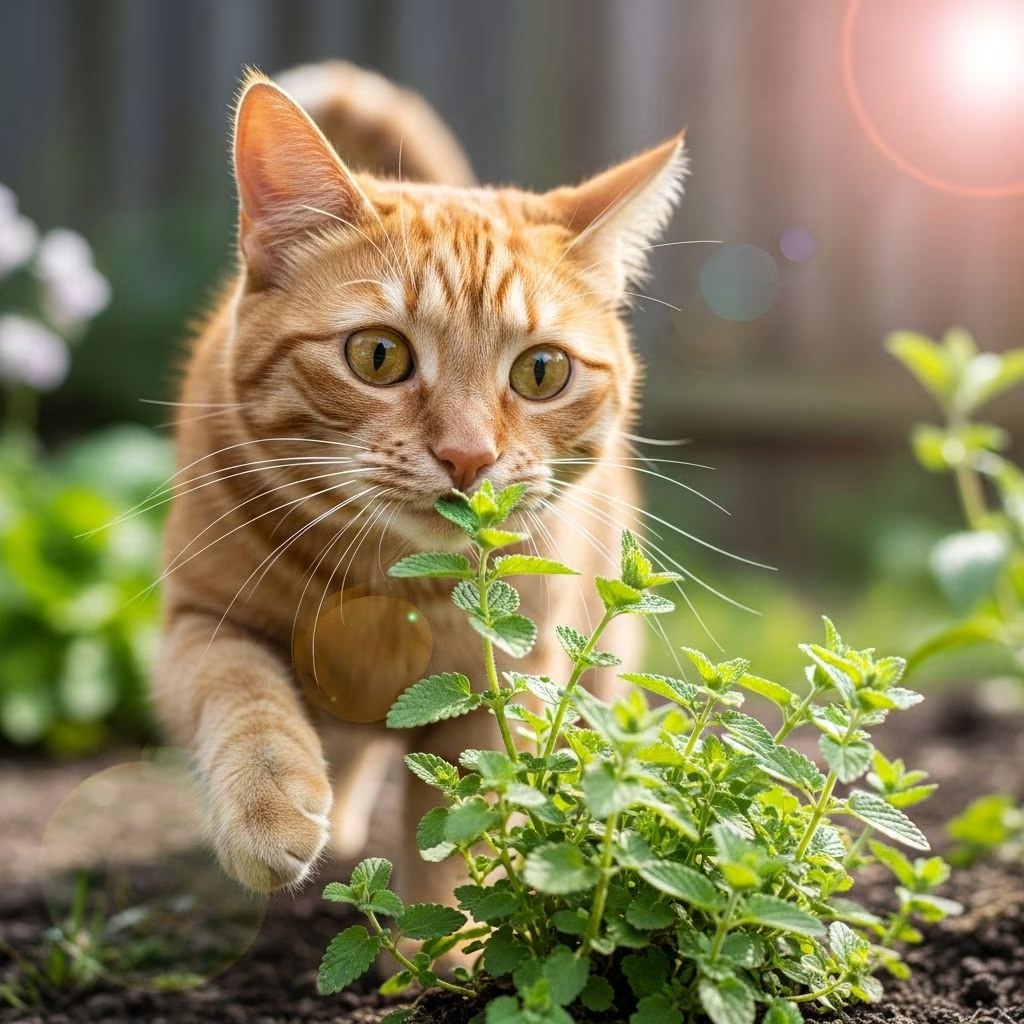
Catnip, known scientifically as Nepeta cataria, is a popular herb from the mint family that captivates many cats, inducing playful or relaxed behaviors. It is entirely safe for cats to consume in moderation, offering enrichment without toxicity or addiction risks.
Understanding Catnip and Its Allure for Cats
This perennial plant, native to regions like Northern Africa and the Mediterranean, has spread widely across Europe and North America. Its appeal stems from nepetalactone, an essential oil in the plant’s leaves and stems that triggers neurological responses in sensitive felines.
When cats smell catnip, nepetalactone binds to receptors in their nasal tissue, stimulating sensory neurons that relay signals to the brain. This mimics feline pheromones, eliciting euphoria similar to a cat’s post-mating bliss. Inhaled, it acts primarily as a stimulant; ingested, it often sedates.
Not all cats succumb to its charms—genetic factors determine sensitivity, affecting roughly 50-80% of cats. Kittens under 3-6 months and seniors over 15 typically show no response, with reactions becoming evident around 6 months.
How Catnip Influences Feline Behavior
Responses vary widely among cats. Common reactions include:
- Rolling and rubbing against surfaces to release more scent.
- Chirping, purring, or meowing vociferously.
- Zoomies, batting at imaginary prey, or intense play sessions.
- Drooling, mellow zoning out, or gentle licking.
- Rarely, mild aggression like growling or swatting.
These effects last 5-15 minutes, followed by a 1-2 hour refractory period where the cat becomes temporarily desensitized.
| Response Type | Description | Duration |
|---|---|---|
| Stimulant | Hyperactive play, chasing, pouncing | 10-15 minutes |
| Sedative | Relaxed flopping, nuzzling | 5-10 minutes |
| No Reaction | Indifference (30-50% of cats) | N/A |
Such variability makes catnip a delightful surprise for owners observing their pet’s unique personality unfold.
Safety Profile: Is Catnip Toxic to Cats?
Veterinary consensus affirms catnip’s non-toxicity. The ASPCA lists it as harmless, and no credible reports link it to poisoning. Humans have historically brewed it into teas for digestion, underscoring its benign nature.
Key safety facts:
- Non-addictive: Cats self-regulate without dependency.
- No overdose lethality: Even large amounts won’t kill, though excess ingestion irritates the gut.
- Safe for kittens and seniors: In tiny doses, but monitor closely.
PetMD veterinary expert Dr. Heather Hoffmann notes it’s safe to eat and may aid digestion due to mild antidiarrheal properties, though large quantities counteract this.
Potential Downsides and Overindulgence Risks
While safe, moderation is crucial. Eating excessive catnip—beyond 1 tablespoon—can provoke:
- Vomiting or diarrhea from fiber overload.
- Temporary dizziness, wobbliness, or lethargy.
- Hyperactivity escalating to anxiety or rare aggression.
- GI upset resolving naturally but distressing to witness.
Rare severe cases involve prolonged lethargy or coordination loss, warranting vet attention. Frequent exposure (daily) diminishes sensitivity, reducing efficacy over time.
Pesticide-treated catnip poses indirect risks; opt for organic or pet-grade products. Concentrated oils demand caution due to potency.
Health Perks Beyond Playtime Fun
Catnip enriches indoor lives, combating boredom and stress. Playful reactions boost exercise, aiding weight management. Sedative effects soothe anxious cats during travel or vet visits.
Additionally, nepetalactone repels mosquitoes, reducing heartworm transmission risks—a boon in buggy areas. Digestive benefits emerge in small doses, historically used for tummy relief.
Forms of Catnip and Serving Suggestions
Available as:
- Fresh leaves: Most potent; grow indoors.
- Dried flakes: Convenient for sprinkling.
- Sprays/oils: Use sparingly on toys.
- Infused toys: Balls, mice, or refillable kickers.
- Treats/bubbles: Novel delivery for engagement.
Start small: 1/4 teaspoon dried on a toy or scratcher. Rotate every 1-2 weeks to preserve allure. Fresh is stronger, so halve portions.
Growing Your Own Catnip Garden
Cultivate easily in sunny spots or pots. Sow seeds in spring, spacing 12-18 inches. Harvest leaves post-bloom for peak nepetalactone. Dry extras by hanging bundles upside down.
Pro tip: Plant near entryways as a pest deterrent. Cats may munch plants, so elevate or use barriers if overeating occurs.
When to Consult a Veterinarian
Seek professional advice if post-catnip symptoms persist: unrelenting vomiting, dehydration signs (dry gums, sunken eyes), seizures, or behavioral extremes. Vets may provide fluids or anti-nausea meds.
Pregnant cats or those with pre-existing conditions benefit from vet clearance before introduction.
Alternatives for Catnip Non-Responders
For insensitive cats, try:
- Valerian root or silver vine—similar compounds.
- Laser pointers or feather wands for stimulation.
- Puzzle feeders for mental workouts.
- Safe herbs like wheatgrass.
Enrichment ensures all cats thrive regardless of catnip genetics.
Frequently Asked Questions (FAQs)
Can kittens eat catnip?
Yes, but wait until 6 months; tiny pinches suffice to avoid tummy upset.
Does catnip make cats high?
It induces a harmless euphoric state via brain receptors, akin to mild intoxication, lasting minutes.
Is catnip safe daily?
No—limit to 1-2 times weekly to prevent tolerance and GI issues.
Can cats die from catnip?
No fatalities reported; it’s non-toxic, though excess causes transient illness.
Why do some cats ignore catnip?
Genetic insensitivity affects 30-50%; no reaction doesn’t indicate health problems.
Expert Tips for Maximizing Catnip Joy
Observe sessions in a safe space. Combine with toys for directed play. Store sealed to retain potency. Refresh toys periodically. Track your cat’s preferences to tailor experiences.
In summary, catnip stands as a veterinarian-endorsed delight, blending safety with spirited entertainment when used judiciously.
References
- Blissful Kitty: Catnip Safety and Recommended Feline Use — UrgentVet. 2023. https://urgentvet.com/catnip-safety/
- Can Cats Eat Catnip? Benefits, Risks and Fun Facts — Taste of the Wild Pet Food. 2023. https://www.tasteofthewildpetfood.com/articles/nutrition/can-cats-eat-catnip/
- What is Catnip? The Effects Catnip Has on Cats — Boulder Veterinary Hospital. 2023. https://bouldervet.com/blog/the-effects-catnip-has-on-cats/
- What Is Catnip? Is It Safe for My Cat? — Fresh Step. 2023. https://www.freshstep.com/cat-care/what-is-catnip-is-it-safe-for-my-cat/
- What Is Catnip and What Does It Do to Cats? — PetMD. 2023. https://www.petmd.com/cat/general-health/what-is-catnip
- Can Cats Eat Catnip? Do’s and Don’ts of Catnip — Whisker. 2023. https://www.whisker.com/blog/can-cats-eat-catnip
- Can You Feed Catnip to Your Cat — Hill’s Pet Nutrition. 2023. https://www.hillspet.com/cat-care/nutrition-feeding/catnip-for-cats



