

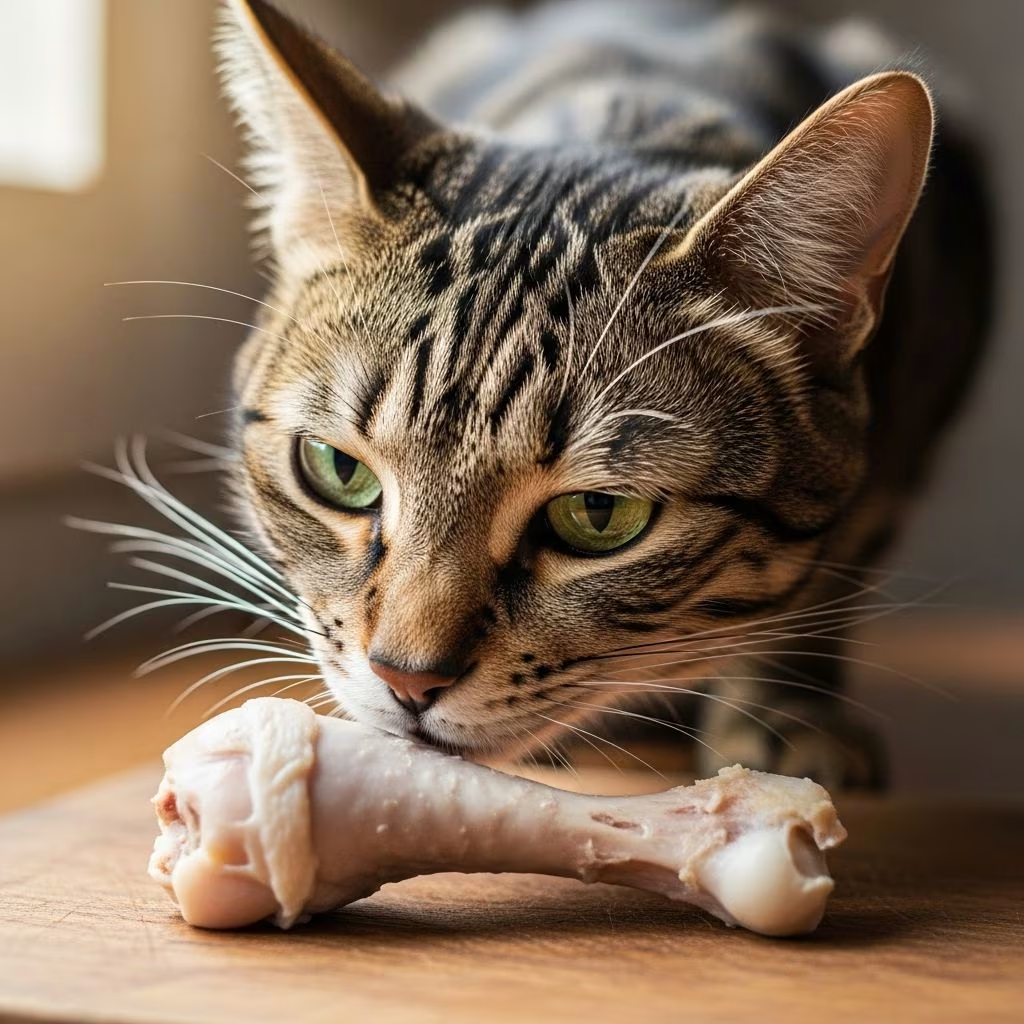
Cats, as obligate carnivores, have evolved to consume prey including small amounts of bone in the wild, but modern domestic life raises questions about feeding bones from household meals. While raw meaty bones offer potential advantages like improved dental hygiene and essential minerals, cooked bones pose severe threats such as splintering and internal injuries. This article delves into the science-backed realities, helping cat owners make informed decisions.
The Natural Diet of Cats and Bone Consumption
In their natural habitat, cats hunt rodents, birds, and small mammals, where bones constitute about 5-10% of the prey’s composition. These tiny, raw bones are soft enough for a cat’s powerful jaws to crush and digest, aided by highly acidic stomach pH levels around 1.6 that break down organic matter effectively. Domestic cats retain these instincts but face different scenarios with larger poultry bones from human dinners.
Commercial cat foods mimic this by including ground bone or cartilage for balanced calcium and phosphorus, eliminating the need for whole bones while avoiding risks. Studies link hunting behaviors in feral cats to lower gingivitis rates, hinting at chewing’s role in oral care, though evidence for domestic pets is anecdotal.
Key Risks Associated with Feeding Bones to Cats
Feeding inappropriate bones can lead to immediate and long-term health issues. Here’s a breakdown of primary concerns:
- Choking Hazard: Oversized or brittle pieces can lodge in the throat, especially in smaller cats or kittens.
- Splintering and Perforation: Cooked bones become fragile, shattering into sharp fragments that pierce the esophagus, stomach, or intestines, potentially causing peritonitis—a life-threatening infection.
- Blockages: Undigested shards form obstructions requiring surgical intervention, with raw bones still posing this risk if too dense.
- Bacterial Contamination: Raw bones may carry pathogens like Salmonella, thriving if bones are buried and retrieved later.
- Dental Fractures: Hard bones can crack teeth, leading to pain and costly extractions.
Cooked chicken bones exemplify danger: their altered structure post-cooking makes them prone to splintering, unlike the pliable raw versions from wild prey.
Potential Benefits of Raw Meaty Bones
Proponents of raw diets highlight upsides, particularly for oral and overall health. Raw, appropriately sized meaty bones—such as small chicken necks or wings—provide:
- Dental Cleaning: Chewing scrapes tartar, reducing plaque and gingivitis. Over 85% of cats over age three suffer periodontal disease, which raw bones may mitigate through mechanical action, outperforming brushing for many owners.
- Nutritional Boost: Natural source of calcium, phosphorus, magnesium, and potassium, bioavailable in forms superior to supplements. Prey-model raw diets aim for 5-10% bone content.
- Digestive Aid: Extended chewing triggers enzyme release, enhancing nutrient absorption and gut motility.
- Mental Stimulation: Satisfies hunting instincts, reducing boredom and stress.
Research is limited, but observational data supports dental improvements in raw-fed cats. Ground bone in quality raw foods delivers these without whole-bone risks.
Raw Bones vs. Cooked Bones: A Comparative Overview
Understanding differences is crucial for safety. The table below contrasts key aspects:
| Aspect | Raw Bones | Cooked Bones |
|---|---|---|
| Splinter Risk | Low; remain flexible | High; become brittle and sharp |
| Digestibility | High; acidic stomach dissolves | Poor; slow breakdown leads to blockages |
| Bacterial Risk | Present (e.g., Salmonella); mitigate with sourcing | Lower post-cooking, but irrelevant due to splinters |
| Dental Benefit | Strong; natural abrasion | Minimal; risk outweighs |
| Recommended? | Yes, if supervised and sized right | No, avoid entirely |
Raw meaty bones shine when selected properly, but cooking negates all positives.
How to Safely Introduce Raw Bones to Your Cat
Not all cats transition easily; abrupt changes risk digestive upset. Follow these steps:
- Consult a Vet: Rule out underlying conditions like pancreatitis predisposition from marrow-rich bones.
- Select Appropriately: Opt for soft, meaty options like chicken quarters (for larger cats) or necks. Avoid weight-bearing bones like femurs, which are too dense.
- Supervise Always: Prevent gulping; limit sessions to 15-30 minutes.
- Transition Gradually: Start with 5% bone in meals, increasing slowly over weeks.
- Source Quality: Use human-grade, fresh raw bones; freeze-thaw kills some bacteria.
- Monitor Output: Firm stools indicate balance; constipation signals excess bone—reduce accordingly.
For kittens or seniors, stick to softer cartilage or ground inclusions.
Alternatives to Whole Bones for Feline Wellness
Many benefits are achievable without risks:
- Bone Broth: Nutrient-rich liquid from simmering raw bones, easy on digestion.
- Commercial Raw Foods: Pre-balanced with 3-5% ground bone, like prey models.
- Dental Treats/Brushes: Vet-approved chews mimic scraping action safely.
- Supplements: Calcium from eggshell powder if diet lacks.
High-quality kibble or wet food already fortifies minerals, per AAFCO standards, making bones optional rather than essential.
What to Do If Your Cat Eats a Bone
Accidents occur. Watch for symptoms: vomiting, lethargy, abdominal pain, constipation, or bloody stool. Raw small bones often pass uneventfully, but cooked ones warrant immediate vet contact. X-rays detect blockages; surgery may be needed for perforations. Prompt action improves outcomes.
Frequently Asked Questions (FAQs)
Are chicken bones okay for cats?
No, especially cooked ones—they splinter easily. Raw small chicken bones might pass but still risk blockage.
Can raw bones cause constipation in cats?
Yes, if overfed; balance at 5-10% of diet prevents this.
Do bones help with cat teeth cleaning?
Raw ones do via abrasion, reducing plaque effectively.
Is bone in commercial cat food safe?
Yes, ground forms are digestible and balanced.
What if my cat won’t chew bones?
Don’t force; use alternatives like chews or broth.
Expert Recommendations for Cat Owners
Veterinarians generally advise against routine bone feeding due to risks outweighing benefits for most indoor cats. Prioritize complete diets and dental routines. If pursuing raw, work with a feline nutritionist for tailored plans.
References
- My Cat Ate A Chicken Bone: Should I Worry? — Cats.com. 2023. https://cats.com/should-cats-eat-chicken-bones
- Can Cats Eat Bones? Vet-Approved Diet Facts & FAQ — Catster. 2024-01-15. https://www.catster.com/cat-health-care/cats-eat-bones/
- Dem Bones, Dem Bones, Dem Scary Bones — CatCentric. 2022. http://catcentric.org/nutrition-and-food/raw-feeding/dem-bones-dem-bones-dem-scary-bones/
- No bones about it: risks vs benefits of meaty bones — NutritionRVN. 2021-03-11. https://nutritionrvn.com/2021/03/11/no-bones-about-it-risks-vs-benefits-of-meaty-bones/
- Can Cats Eat Bones? How to Feed Them Safely? — Bella+Duke. 2024. https://www.bellaandduke.com/cats/expert-advice/cat-nutrition/can-cats-eat-bones/



