

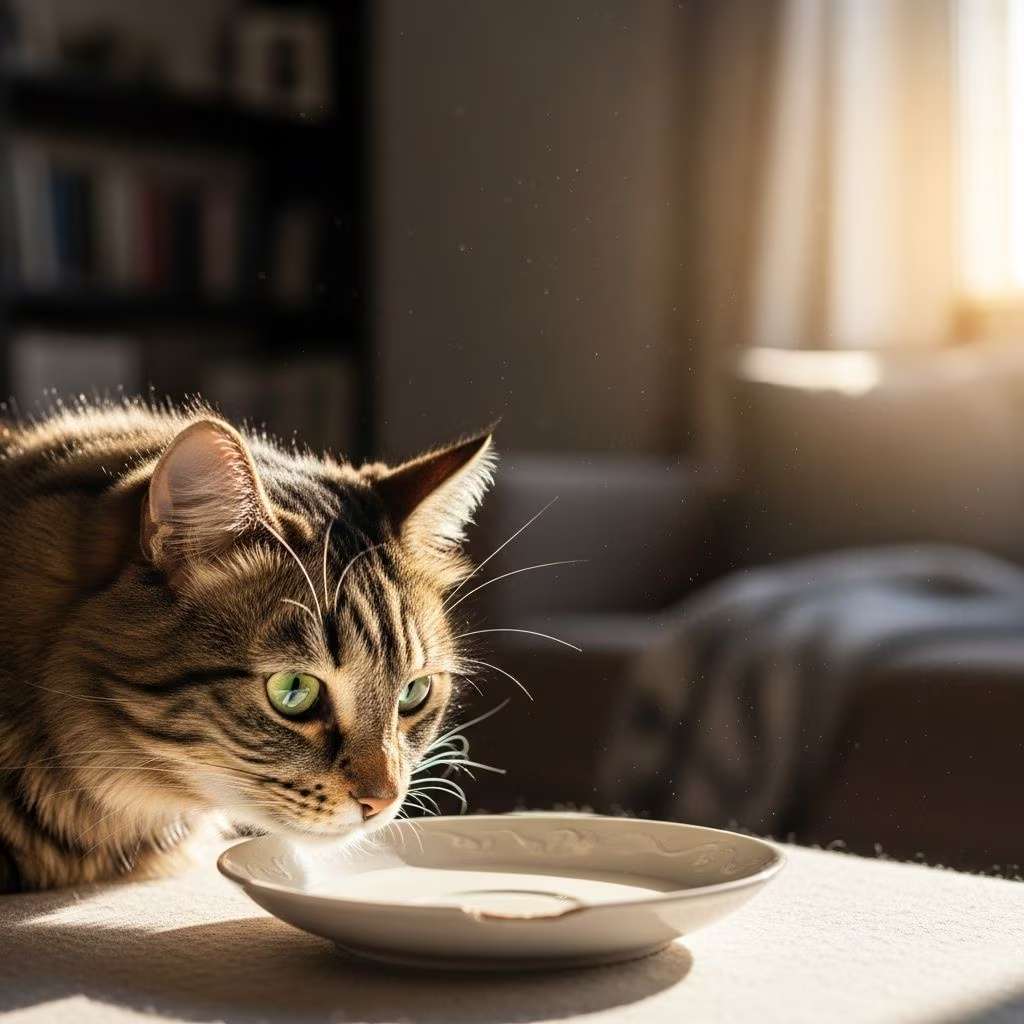
The notion of a cat eagerly drinking from a bowl of milk has been romanticized in cartoons, literature, and folklore for generations. However, this charming image often misleads pet owners about what is truly best for their cats’ health. In reality, most adult cats cannot tolerate milk well, primarily due to lactose intolerance, which leads to uncomfortable digestive issues. This article delves into the science behind feline digestion, the risks associated with dairy, suitable alternatives, and strategies to keep your cat properly hydrated.
The Science of Feline Lactose Intolerance
Cats are obligate carnivores, meaning their bodies are optimized for processing meat-based proteins and fats rather than plant or dairy products. Kittens are born with the enzyme lactase, which breaks down lactose—the primary sugar in milk—allowing them to nurse from their mother effectively. As kittens wean around 4-8 weeks of age and transition to solid food, lactase production dramatically decreases. By adulthood, approximately 70-90% of cats lack sufficient lactase, rendering them lactose intolerant.
When lactose remains undigested, it ferments in the large intestine, drawing water into the gut and producing gas through bacterial action. This process disrupts normal digestion and can manifest in various symptoms. Understanding this biological shift explains why milk, despite its appeal, is not a suitable beverage for grown cats.
Immediate Effects of Milk Consumption in Cats
If a cat drinks milk, symptoms typically appear within 8-12 hours, though some cats may react sooner. The severity varies based on the amount consumed, the cat’s individual tolerance, and the milk type. Common reactions include:
- Diarrhea or loose stools: The most frequent sign, resulting from osmotic pull of undigested lactose.
- Vomiting: Especially if larger quantities are ingested, leading to rapid expulsion.
- Bloating and gas: Fermentation causes abdominal distension and flatulence.
- Lethargy and discomfort: Cats may hide, vocalize more, or show reduced appetite due to pain.
- Increased thirst: A compensatory response to dehydration from diarrhea.
These effects are analogous to human lactose intolerance but can be more pronounced in cats due to their shorter digestive tracts and higher sensitivity.
Long-Term Health Risks of Regular Milk Feeding
Beyond acute symptoms, habitual milk consumption poses ongoing threats. Excess calories from milk’s fat and sugar content contribute to obesity, a growing epidemic in domestic cats affecting joint health, diabetes risk, and lifespan. Chronic exposure irritates the gut lining, potentially exacerbating conditions like inflammatory bowel disease or food sensitivities.
Milk can also displace nutritionally complete cat food, leading to deficiencies in taurine, arachidonic acid, and other essentials found only in meat-based diets. For overweight or senior cats, these risks amplify, making milk an unwise addition to any routine.
| Risk Factor | Short-Term Impact | Long-Term Consequence |
|---|---|---|
| Caloric Surplus | Minimal immediate effect | Obesity, diabetes |
| Gut Irritation | Diarrhea, gas | Chronic inflammation, poor nutrient uptake |
| Nutrient Imbalance | Reduced appetite | Taurine deficiency, heart disease |
This table summarizes key concerns, highlighting why prevention is preferable to managing repeated episodes.
Why Do Cats Seem Attracted to Milk Despite the Risks?
Cats’ affinity for milk stems from its high fat content and creamy texture, which mimic the richness of their natural prey. Their keen sense of smell detects these appealing aromas, prompting curiosity. However, this preference is instinctual rather than nutritional wisdom—much like humans craving sweets despite health drawbacks. A rare lick might not harm a tolerant cat, but regular indulgence invites trouble.
Siamese and Persian breeds may show slightly higher tolerance due to genetic variations, but even these cats benefit from avoidance. Observation alone isn’t reliable; test tolerance cautiously with veterinary guidance.
Safe Dairy Alternatives and Treat Options
Not all “milk-like” products are equal. For the rare cat that tolerates small dairy amounts, consider these vetted options:
- Lactose-free cat milk: Formulated specifically for felines, with reduced lactose and added nutrients. Brands like Cat-Sip or Whip Cream provide safe enjoyment.
- Low-lactose yogurt or kefir: Plain, unsweetened varieties in tiny portions (1 tsp max). Probiotics may aid digestion for some cats.
- Plant-based milks? Proceed with caution: Almond or oat milk lacks lactose but often contains high carbs, gums, or sweeteners toxic or indigestible for cats. Coconut milk’s fats upset stomachs.
Avoid flavored, sweetened, or chocolate milks entirely—chocolate’s theobromine is poisonous, causing seizures or worse.
Optimal Hydration Strategies for Cats
Cats descend from desert-dwelling ancestors, deriving much moisture from prey. Domestic cats often under-drink, risking urinary crystals or kidney strain. Fresh, clean water is paramount—milk never substitutes.
Proven Ways to Boost Water Intake
- Fountain water bowls: Circulating water entices drinking by mimicking streams.
- Wet food: Up to 80% moisture, ideal for hydration and nutrition.
- Flavor enhancers: Dilute low-sodium tuna juice or chicken broth in water.
- Multiple stations: Place bowls in quiet, accessible spots; refresh daily.
- Glass or ceramic bowls: Avoid plastic, which harbors bacteria and odors.
Aim for 3-4 ounces of water per 5 pounds of body weight daily, adjusting for diet and activity.
Kitten Nutrition: When Milk Is Appropriate
Orphaned or weaning kittens under 8 weeks require kitten milk replacer (KMR), not cow’s milk, which lacks proper protein-fat ratios and can cause failure to thrive. Feed via bottle every 2-4 hours, transitioning to solids by 4 weeks. Mother-raised kittens wean naturally without supplements.
Frequently Asked Questions (FAQs)
Can a little milk once in a while hurt my cat?
Occasional small amounts might not cause issues in tolerant cats, but risks outweigh rewards. Stick to water and vet-approved treats.
What if my cat loves milk and begs for it?
Redirect to cat-specific lactose-free products or wet food. Consistency prevents begging habits.
Is goat’s milk better for cats than cow’s?
Goat’s milk has less lactose but still poses digestion and calorie risks. Not recommended routinely.
How do I know if my cat is lactose intolerant?
Monitor post-exposure for diarrhea, vomiting, or gas. Consult a vet for stool tests or elimination diets.
Are there nutritional benefits to milk for cats?
No—complete cat foods provide all needs. Milk adds empty calories without unique value.
Consulting Your Veterinarian for Personalized Advice
Every cat is unique; breeds, age, health status, and diet influence tolerances. Annual check-ups allow tailored nutrition plans. If symptoms persist post-milk exposure, seek prompt care to rule out allergies or infections. Prioritizing evidence-based care ensures your cat thrives.
In summary, while milk captivates culturally, science advises against it for adult cats. Embrace water-rich diets and safe treats for a healthier, happier feline life.
References
- Can Cats Drink Milk? Why It Might Not Be Good for Your Cat — Glenwood Pet Hospital. 2023-05-15. https://glenwoodpethospital.com/?p=824
- Vet Q&A: Can cats drink milk? — PDSA. 2024-02-10. https://www.pdsa.org.uk/what-we-do/blog/vet-qa-can-cats-drink-milk
- Is it Safe to Feed Milk to Cats? — Orange County Emergency Vet. 2023-11-20. https://orangecountyemergencyvet.com/is-it-safe-to-feed-milk-to-cats/
- Can Cats Drink Milk? — PetMD. 2025-01-12. https://www.petmd.com/cat/nutrition/can-cats-drink-milk
- Can Cats Drink Milk? — Hill’s Pet. 2024-08-05. https://www.hillspet.com/cat-care/nutrition-feeding/can-cats-drink-milk
- Is Milk Bad for Cats? — Whisker (Litter-Robot). 2024-03-22. https://www.whisker.com/blog/is-milk-bad-for-cats
- Is it Safe for Cats to Drink Milk? — Grove Animal Hospital. 2023-09-18. https://groveanimalhospital.com/blog/can-cats-drink-milk/



