

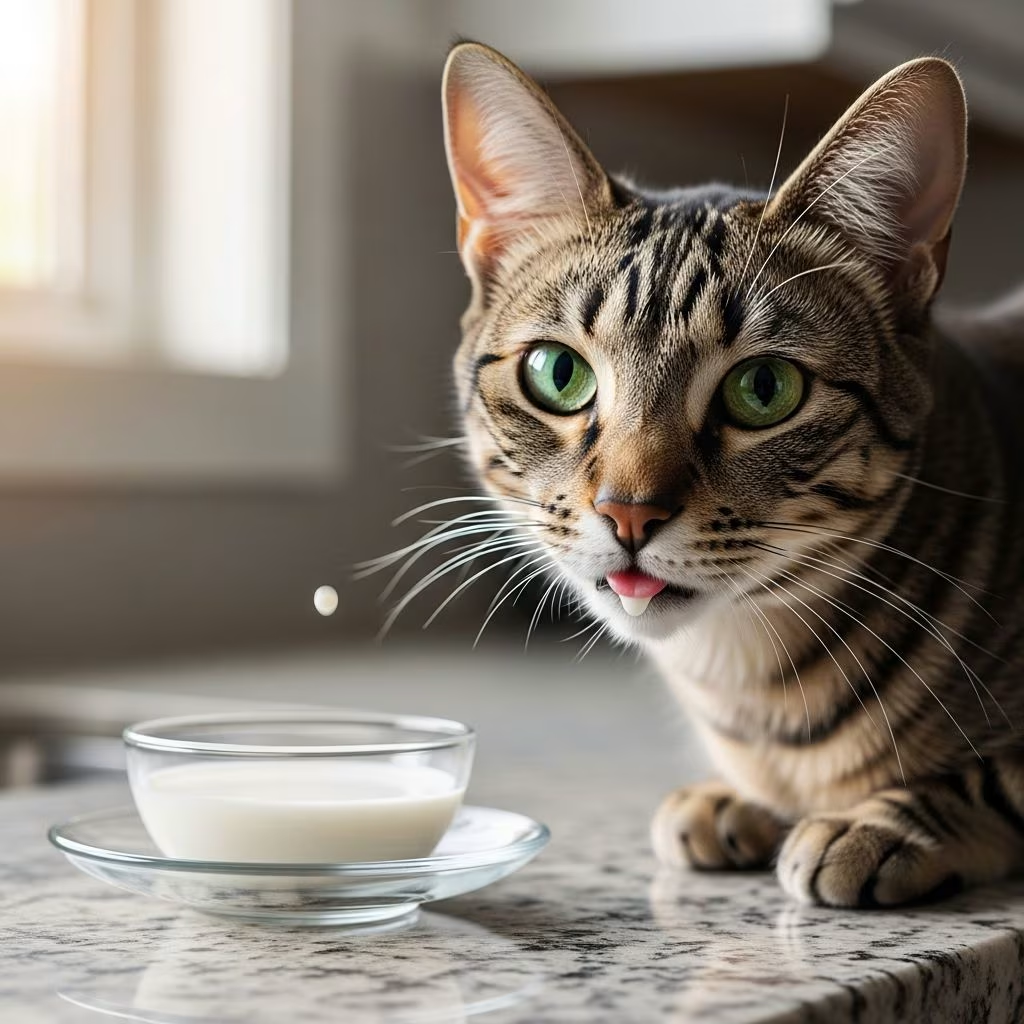
Regular cow’s milk is not suitable for most adult cats due to widespread lactose intolerance, which can trigger digestive distress including diarrhea, gas, and vomiting.
Understanding Feline Lactose Intolerance
Cats lose the ability to produce sufficient lactase, the enzyme needed to break down lactose in milk, after weaning from their mother’s milk. This leads to undigested sugars fermenting in the gut, causing discomfort.
- Lactase production declines sharply post-weaning, affecting over 70% of adult cats.
- Kittens temporarily retain higher lactase levels but still struggle with cow’s milk due to mismatched protein ratios.
- Genetic factors influence severity, but caution is advised for all cats.
Symptoms typically appear within 8-12 hours of consumption, ranging from mild bloating to severe dehydration risks, especially in young or small cats.
Common Symptoms When Cats Consume Milk
Observing your cat after offering milk helps identify intolerance early. Key signs include:
| Symptom | Description | Severity Level |
|---|---|---|
| Diarrhea | Loose, watery stools leading to rapid dehydration | High |
| Gas and Bloating | Abdominal distension and flatulence | Moderate |
| Vomiting | Nausea-induced expulsion of milk | Moderate to High |
| Abdominal Pain | Lethargy, hunching, or sensitivity to touch | Moderate |
| Loose Stools | Soft, frequent bowel movements | Low to Moderate |
These reactions stem from lactose fermentation, pulling water into the intestines and irritating the lining. Repeated exposure exacerbates issues, potentially leading to malnutrition or obesity from high-fat content.
Special Considerations for Kittens
Kittens under 8 weeks can digest mother’s milk but face challenges with cow’s varieties. Higher lactose and different casein-whey balances overwhelm immature systems.
- Diarrhea in kittens risks quick dehydration due to small body size.
- Cow’s milk lacks taurine and balanced nutrients essential for growth.
- Use kitten milk replacers only, formulated by vets for safety.
Transitioning kittens to solids reduces lactase further; avoid dairy entirely by 12 weeks.
Health Risks of Regular Milk Consumption
Beyond immediate upset, chronic milk intake disrupts balanced diets. High fats promote obesity, while poor absorption hinders nutrient uptake.
For dairy-allergic cats, symptoms extend to skin issues like itching or redness. Long-term effects include:
- Weight gain from calorie surplus.
- Dehydration and electrolyte imbalance.
- Interference with commercial cat food’s tailored nutrition.
Obligate carnivores like cats derive hydration from prey moisture, not dairy; milk adds unnecessary sugars.
Are There Safe Milk Alternatives for Cats?
Not all dairy or plant options suit felines. Prioritize vet-formulated products over human foods.
| Type | Pros | Cons | Recommendation |
|---|---|---|---|
| Lactose-Free Cow’s Milk | Reduced digestive upset | High fat/calories; no unique benefits | Occasional treat only |
| Cat-Specific Milk | Lactose removed; taurine added | May aid underweight cats | Safe in moderation |
| Goat’s Milk | Probiotics for gut health | Still contains some lactose | Test small amounts |
| Plant Milks (Almond, Oat) | Dairy-free | Additives like xylitol toxic; lacks protein | Avoid entirely |
| Soy Milk | Plant protein | Digestive irritant; hormonal effects | Not recommended |
Lactose-free cat milks serve as treats for picky eaters or recovery aids, but never replace water.
Optimal Hydration Strategies for Cats
Cats often under-hydrate from dry kibble diets. Boost intake without dairy risks:
- Wet Food: 70-80% moisture mimics natural prey.
- Fountains: Running water entices drinking.
- Flavor Add-Ins: Tuna water or broth (low-sodium).
- Multiple Bowls: Fresh water stations around home.
Aim for 3-4 ounces per 5 pounds of body weight daily, adjusting for diet.
How to Test Your Cat’s Tolerance
Introduce tiny amounts (1 tsp) of lactose-free options, monitoring 24-48 hours. Consult vets for allergies or ongoing issues.
If symptoms occur, discontinue and provide probiotics for gut recovery.
Expert Insights on Feline Dairy Myths
The milk-lapping cat trope persists despite evidence. Vets emphasize complete diets over treats; dairy offers no superior nutrition.
Focus on AAFCO-approved foods meeting carnivore needs like taurine and arachidonic acid.
Frequently Asked Questions
Is a little milk okay once in a while?
Minimal amounts may not harm tolerant cats, but risks outweigh benefits for most.
What if my cat loves milk?
Switch to commercial cat milk treats to satisfy cravings safely.
Can milk help underweight cats?
Yes, lactose-free supplements with taurine aid weight gain under vet guidance.
Is yogurt or cheese better than milk?
Lower lactose but still risky; offer sparingly if tolerated.
How do I hydrate a reluctant drinker?
Mix water into food, use fountains, or provide wet varieties.
By prioritizing science over stereotypes, cat owners ensure thriving pets free from dairy woes.
References
- Can Cats Drink Milk? — Chewy. 2023. https://www.chewy.com/education/cat/food-and-nutrition/nutrition-pet-diet-tips-can-cats-drink-milk
- Vet Q&A: Can cats drink milk? — PDSA. 2024. https://www.pdsa.org.uk/what-we-do/blog/vet-qa-can-cats-drink-milk
- The Truth About Cats and Milk — Animal Wellness Magazine. 2023. https://animalwellnessmagazine.com/cats-and-milk/
- Can Cats Drink Milk? Why It Might Not Be Good for Your Cat — Glenwood Pet Hospital. 2024. https://glenwoodpethospital.com/?p=824
- Can Cats Drink Milk? — Triangle Animal Clinic. 2023. https://triangleanimalclinic.com/blog/can-cats-drink-milk/
- Can Cats Drink Milk? — PetMD. 2025-02-10. https://www.petmd.com/cat/nutrition/can-cats-drink-milk
- Is it Safe for Cats to Drink Milk? — The Grove Animal Hospital. 2024. https://groveanimalhospital.com/blog/can-cats-drink-milk/



