

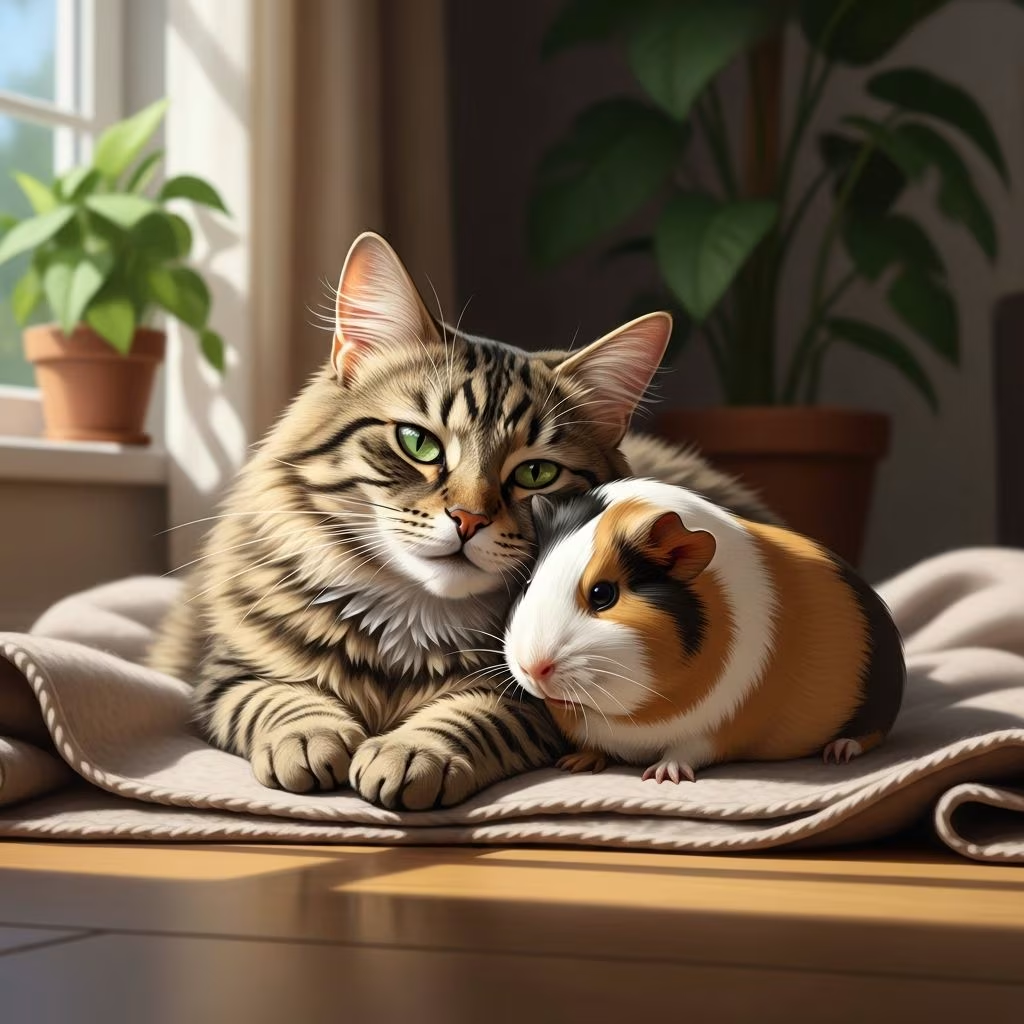
Cats and guinea pigs can potentially share a home, but success hinges on understanding feline predatory instincts and implementing strict safety protocols. While some households achieve harmony, risks remain high due to cats’ natural hunting drive treating small rodents as prey.
Understanding Feline Predatory Nature
Cats possess an innate predator drive that often views small, quick-moving animals like guinea pigs as targets, regardless of feeding or domestication. This instinct persists in over 75% of pet cats, triggered by movement, scent, or sound rather than hunger. Even well-fed indoor cats may crouch, stare intently, or pounce suddenly, interpreting the guinea pig’s behaviors as invitations to hunt.
Guinea pigs, as prey animals, respond with freeze responses, teeth chattering, or hiding, which can escalate stress and health issues if prolonged. Tamer guinea pigs may not recognize the threat, appearing oblivious and increasing vulnerability. Factors influencing a cat’s reaction include age, breed energy levels, and prior exposure to small animals. High-energy breeds like Bengals show stronger interest, while older or laid-back cats might ignore the rodent.
Assessing Your Cat’s Personality and Risk Level
Not all cats pose equal threats; temperament plays a crucial role. Observe your cat’s reactions to novel stimuli to gauge prey drive.
- Low-risk cats: Older, sedentary individuals that show disinterest in small movements, such as birds or toys mimicking rodents.
- High-risk cats: Young, energetic hunters with histories of chasing or catching small prey like mice or hamsters.
- Neurotic types: Initially wary but potentially aggressive once comfortable, viewing the guinea pig as an intruder.
- Dominant personalities: Bullies that assert control over other pets through intimidation or rough play.
History matters: Cats raised with small pets from kittenhood may desensitize to them, but this is unreliable. Test by introducing scents first—place guinea pig bedding near the cat and monitor for stalking behaviors like dilated pupils, tail flicking, or low crouching.
Secure Housing: The Foundation of Safety
A robust cage is non-negotiable, designed to withstand a determined cat’s attempts to access the guinea pig. Key features include:
| Feature | Why It Matters | Recommendations |
|---|---|---|
| Strong metal bars | Prevents bending or paw insertion | Spacing under 0.5 inches, chew-proof materials |
| Fully enclosed top and sides | Blocks jumping or reaching from above | Lockable latches, heavy base |
| Elevated placement | Out of paw reach, reduces stress | Shelves or high stands, away from edges |
| Size and hideouts | Allows guinea pig comfort and escape feel | Minimum 7.5 sq ft per pig, multiple hides |
Position the cage in a quiet, cat-inaccessible room initially. Never place on floors or tables where cats can loom nearby, as this induces chronic stress in guinea pigs, leading to appetite loss or illness.
Step-by-Step Introduction Process
Rushed introductions invite disaster; proceed gradually over weeks with constant supervision.
- Scent familiarization (Days 1-7): Keep animals separated. Swap bedding or rub cloths on each, placing in the other’s space to build neutral associations. Feed cat near the guinea pig’s room door without visual contact.
- Visual exposure (Week 2): Allow supervised viewing through cage bars from a distance. Reward calm cat behavior with treats; intervene at any predatory signs.
- Supervised interaction (Week 3+): In a neutral room, let guinea pig roam with open cage nearby as safe haven. Sessions under 10 minutes; always remove cat first if tension rises.
- Daily routines: Separate feeding schedules and locations to avoid competition. No unsupervised time ever.
Patience yields results—early introductions when both are young improve odds, but adult cats rarely lose instincts fully.
Recognizing and Responding to Danger Signals
Prevention beats reaction; learn body language cues promptly.
Cat Warning Signs
- Intense staring with dilated pupils and flattened ears.
- Crouching, twitching tail, or sudden ear flicks.
- Pouncing attempts or pawing at the cage.
Guinea Pig Distress Indicators
- Freezing motionless or teeth grinding/chattering.
- Hiding persistently or reduced eating/drinking.
- Piloerection (fur standing up) or vocal squeals.
Act immediately: Secure the cat away, comfort the guinea pig, and pause interactions for days. Chronic stress harms guinea pig health, potentially causing fatal conditions like upper respiratory infections. If your cat has harmed small animals before, rehome one pet—guinea pigs rarely survive attacks.
Long-Term Management for Peaceful Living
Once accustomed, maintain vigilance. Enrich environments separately: Provide cats with interactive toys channeling hunt urges, and guinea pigs with ample floor time in cat-free zones. Rotate play areas, use baby gates for divisions, and monitor health via vet checkups.
Success stories exist with low-prey-drive cats, but statistics underscore caution—predatory incidents occur unpredictably. Professional behaviorists can assess via controlled tests, interpreting subtle cues like stiff staring versus playful wagging.
Alternatives if Coexistence Fails
Not every home suits mixed species. Signs to separate permanently:
- Persistent predatory fixation despite months of training.
- Guinea pig weight loss or behavioral shutdown.
- Cat aggression toward other household pets.
Rehoming prioritizes welfare: Guinea pigs thrive in rodent-only homes, while cats adapt easily. Shelters or breed-specific rescues offer solutions without guilt.
Frequently Asked Questions
Will my kitten get along better with a guinea pig?
Kittens raised alongside guinea pigs from young ages show higher tolerance, but instincts develop around 6 months—supervision remains essential.
Can guinea pigs ever defend themselves against cats?
No; guinea pigs lack defenses against cats’ speed and claws. Their flight responses fail in confined spaces.
How do I know if my cat’s play is safe?
True play lacks predatory stares or rough pouncing. Guinea pig comfort—eating, exploring freely—is the test. Err on caution.
What if my cat ignores the guinea pig?
Indifference is ideal but monitor for changes. Boredom can spark sudden interest months later.
Are there cat breeds safer around guinea pigs?
Mellow breeds like Ragdolls or British Shorthairs may show less drive, but individual personality trumps breed.
References
- Can Cats And Guinea Pigs Live Together? — Katzenworld/Homesitters.co.uk. Accessed 2026. https://www.homesitters.co.uk/katzenworld-can-cats-and-guinea-pigs-live-together/
- Do Cats and Guinea Pigs Get Along? Safety Rules Every Owner… — WoPet.com. Accessed 2026. https://wopet.com/cats/do-cats-and-guinea-pigs-get-along/
- Guinea Pigs, Dogs, and Cats? — Small Pet Select. Accessed 2026. https://smallpetselect.com/guinea-pigs-dogs-and-cats/



