

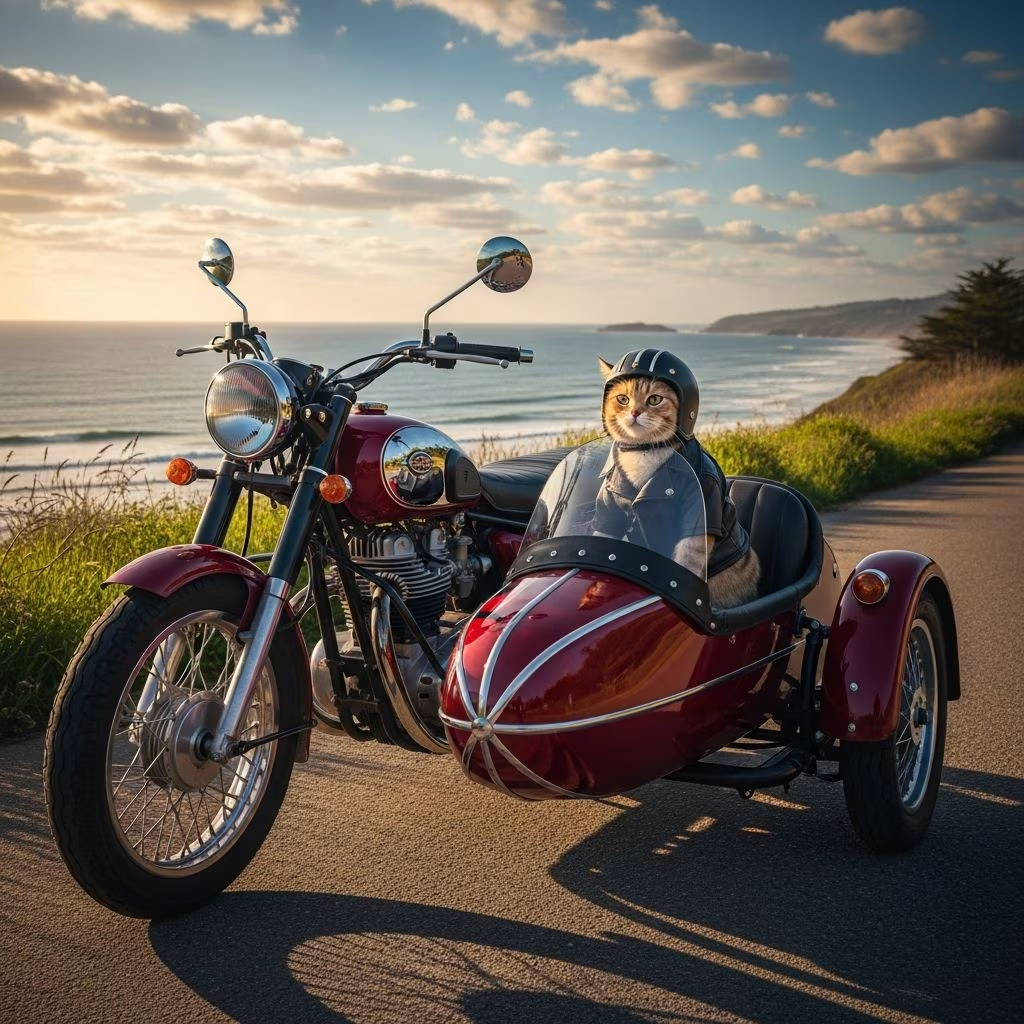
Cats riding on motorcycles is an unconventional idea that sparks curiosity among pet owners and bikers alike. While dogs often join their humans on bikes, felines present unique challenges due to their independent nature, sensitivity to motion, and physical vulnerabilities. This article delves into whether it’s possible to transport cats safely on motorcycles, examining risks, preparation steps, equipment needs, training protocols, legal aspects, and real-world examples. Though not recommended for most cats, with proper precautions, short rides may be feasible for some adventurous felines.
Why Consider Taking Your Cat on a Motorcycle?
Cat owners who ride motorcycles might envision bonding adventures or necessity-driven trips, like evacuations or vet visits in remote areas. Some cats exhibit curiosity toward bikes, climbing on warm engines for vantage points or warmth. However, this fascination poses hazards like burns from hot parts or sudden movements causing falls. Motorcycles appeal to cats’ love for heights and novelty, but safety must override whimsy.
Understanding feline psychology is key: cats thrive on routine and control, disliking unpredictability. High speeds, wind, and vibrations can overwhelm their senses, leading to panic. Yet, a small subset of cats—those with calm temperaments and prior exposure to motion—may adapt.
The Risks and Dangers for Cats on Motorcycles
Several significant risks make motorcycle rides perilous for cats. Primary concerns include:
- Physical Injury: Hot exhaust pipes, engine components, or road debris can cause burns, cuts, or abrasions. At speed, falls from unsecured positions risk severe trauma.
- Motion Sickness and Stress: Unlike dogs, cats rarely tolerate car rides well; motorcycles amplify nausea, disorientation, and anxiety through wind noise and G-forces.
- Weather Exposure: Rain, cold, or heat exacerbates dehydration, hypothermia, or heatstroke risks.
- Escape Attempts: Panicked cats may claw free from carriers, leading to roadside dangers.
- Parasite Influences: Research links Toxoplasma gondii, common in cats, to behavioral changes in humans, potentially increasing risk-taking among motorcyclists, though irrelevant to the cat itself.
Hot engines attract cats post-ride, risking paw burns; always inspect bikes before starting. Veterinary experts emphasize these hazards outweigh benefits for most pets.
Safety Gear and Equipment for Cat Motorcycle Travel
Essential gear mimics secure pet carriers but adapts for two-wheeled dynamics. Key items include:
- Hard-Sided Carriers: Mount securely to the bike frame or tank bag; ensure ventilation and claw-proof latches.
- Custom Cat Harnesses: Full-body designs with bike tethers prevent escapes; avoid neck-only collars.
- Weatherproof Covers: Rain flaps and insulated liners protect from elements.
- GPS Trackers: Attached to collars for lost pet recovery.
For pillion setups, use motorcycle-specific pet saddles with padding and restraints. Test all equipment stationary first. A table compares options:
| Equipment Type | Pros | Cons | Best For |
|---|---|---|---|
| Backpack Carrier | Hands-free, close contact | Overheats cat, unstable at speed | Short, low-speed trips |
| Side-Mount Carrier | Secure mounting, ventilated | Bulkier, wind exposure | Medium distances |
| Harness + Tether | Freedom of movement | Escape risk if panicked | Trained, calm cats |
| Pannier Pet Box | Fully enclosed, stable | Limited space, motion sickness | Longer highway rides |
Training Your Cat for Motorcycle Rides
Desensitization is crucial, starting weeks in advance. Follow this step-by-step process:
- Introduce Gear Gradually: Let your cat explore the carrier indoors with treats and toys.
- Simulate Vibrations: Use a washing machine or idling bike (off) nearby, rewarding calm behavior.
- Short Stationary Sessions: Place cat in gear on the parked bike for 5-10 minutes daily.
- Low-Speed Trials: Begin in a safe lot at 5-10 mph, monitoring stress signs like vocalizing or dilated pupils.
- Build Duration: Extend to 20-30 minutes over weeks, always positive reinforcement.
Signs of intolerance: vomiting, excessive meowing, hiding post-ride. Stop immediately if observed. Only 10-20% of cats may tolerate this; respect your pet’s limits.
Legal and Practical Considerations
Laws vary: most regions prohibit unsecured pets on public roads, classifying them as distractions. Helmets aren’t required for pets, but carriers must not obstruct visibility or controls. Insurance may void claims involving pets. Practically, plan stops every 30 minutes for water, bathroom breaks, and checks. Travel during mild weather, avoiding rush hours.
Veterinary clearance is mandatory—ensure vaccinations, flea prevention, and health checks. Carry a pet first-aid kit with bandages, antiseptics, and motion sickness meds (vet-approved).
Real-Life Stories: Cats That Ride Motorcycles
Rare success stories exist. ‘Moto-Meow,’ a viral cat, rides in a custom sidecar across states, trained from kittenhood. Owners report calm demeanor at 60 mph with familiar routines. Forums discuss jacket-stuffing or tank-sitting, but experts deem these unsafe. One rider shared: ‘My cat lasted 10 minutes before clawing out—never again.’ These anecdotes highlight exceptions, not norms.
Alternatives to Motorcycle Rides for Cats
Opt for safer options:
- Car travel with airline carriers.
- Cat strollers for walks.
- Home pet-sitters for longer trips.
- Motorcycle sidecars for dogs, leaving cats home.
Deterrents like citrus sprays or cat trees redirect bike fascination safely.
Frequently Asked Questions (FAQs)
What are the biggest risks for cats on motorcycles?
The primary risks are physical injuries from hot parts or falls, severe stress, motion sickness, and weather exposure. Always prioritize safety checks.
Can I train any cat to ride a motorcycle?
No, only calm, adaptable cats may succeed after extensive training. Most will find it intolerable.
What equipment do I need for a cat on a bike?
Secure carriers, harnesses, tethers, weather covers, and GPS trackers are essential for any attempt.
Is it legal to ride with a cat on a motorcycle?
Laws vary; many prohibit unsecured pets as distractions. Check local regulations.
What if my cat gets injured on the bike?
Seek immediate vet care for burns, trauma, or distress. Prevention is best.
Conclusion: Proceed with Extreme Caution
While intriguing, cats riding motorcycles safely is rare and risky. Most experts advise against it, favoring alternative transport. If attempting, invest in training, gear, and vet advice. Your cat’s well-being trumps adventure.
References
- Cat Climbing Motorcycle Hazards — Dial A Vet. 2023-05-15. https://www.dialavet.com/vet-answers/post/cat-climbing-motorcycle-hazards-52182
- The Cat Parasite that Sells Motorcycles — Next Nature. 2011-01-01. https://nextnature.org/en/magazine/story/2011/the-cat-parasite-that-sells-motorcycles
- American Motorcyclist Association Pet Travel Guidelines — AMA. 2024-08-20. https://americanmotorcyclist.com/pets-on-motorcycles
- AVMA Pet Travel Safety Recommendations — American Veterinary Medical Association. 2025-03-10. https://www.avma.org/resources-tools/pet-travel-safety
- CDC Toxoplasmosis Fact Sheet — Centers for Disease Control and Prevention. 2024-11-05. https://www.cdc.gov/parasites/toxoplasmosis/index.html



