

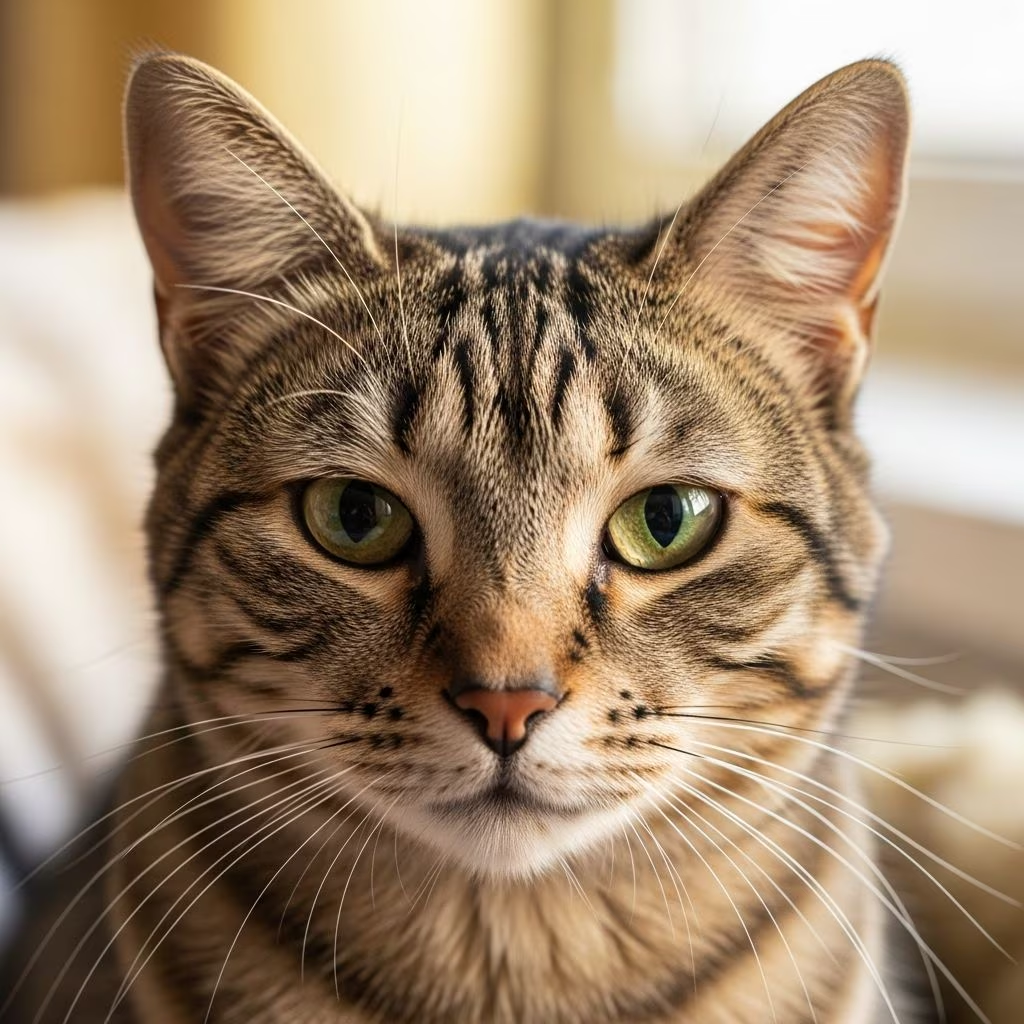
Kidney failure in cats, whether sudden or gradual, presents serious challenges but offers varying recovery prospects depending on the type and timeliness of intervention. Acute kidney injury frequently allows for complete recovery when addressed promptly, while chronic kidney disease demands lifelong management to enhance quality of life and prolong survival.
Distinguishing Acute and Chronic Kidney Conditions in Felines
Understanding the differences between **acute kidney injury (AKI)** and **chronic kidney disease (CKD)** is crucial for cat owners. AKI strikes suddenly, often from toxins, infections, or blockages, and can reverse with aggressive treatment. In contrast, CKD develops slowly over months or years, typically in senior cats, stemming from irreversible damage and focusing on symptom control rather than cure.
AKI demands immediate veterinary attention, as rapid intervention can restore kidney function fully. CKD, however, progresses despite therapies, with goals centered on slowing advancement and mitigating complications like anemia or hypertension. Early detection through routine check-ups dramatically influences outcomes for both.
Recognizing the Warning Signs of Kidney Distress
Cats mask illness well, making kidney issues sneaky until advanced. Common signals include excessive thirst and urination, weight loss, poor appetite, vomiting, lethargy, bad breath, and dilute urine. In AKI, symptoms escalate rapidly—sudden collapse or seizures may occur—while CKD signs build gradually.
- Increased water intake and frequent litter box visits signal impaired concentration ability.
- Unexplained vomiting or diarrhea points to toxin buildup.
- Dull coat, muscle wasting, or oral ulcers indicate nutritional deficits.
- Weakness or tremors often tie to low potassium levels.
Monitor seniors closely, as they represent over 30% of cases. Bloodwork revealing elevated creatinine or BUN, alongside low urine concentration, confirms suspicion.
Diagnostic Approaches for Feline Kidney Problems
Veterinarians employ a multi-step process to pinpoint kidney failure. Initial physical exams check hydration, mouth health, and blood pressure. Blood tests measure kidney markers like creatinine, BUN, and phosphorus; urine analysis assesses concentration and protein loss. Imaging such as ultrasound detects stones or tumors, and biopsies offer definitive insights in complex cases.
| Test | Purpose | Key Indicators |
|---|---|---|
| Blood Chemistry Panel | Assess filtration waste | High creatinine (>2.4 mg/dL), elevated BUN |
| Urinalysis | Check urine specifics | Specific gravity <1.035, protein presence |
| Ultrasound | Visualize kidneys | Enlarged, irregular shape, cysts |
| Blood Pressure | Detect hypertension | >160 mmHg systolic |
Staging CKD via IRIS guidelines—from 1 (mild) to 4 (severe)—guides therapy intensity.
Effective Treatments for Acute Kidney Injury
AKI treatment prioritizes stabilization and reversal. Hospitalization with intravenous fluids flushes toxins, corrects electrolytes, and supports perfusion. Addressing causes—like removing urethral blockages or antidotes for toxins—is vital. Medications combat nausea, protect stomachs, and manage blood pressure.
Many cats recover fully if treated within 24-48 hours. Subcutaneous fluids transition care home post-stabilization, with close monitoring via follow-up tests. Dialysis, though rare, aids severe cases at specialized centers.
Managing Chronic Kidney Disease Long-Term
CKD lacks a cure, but multifaceted care extends life significantly. Core strategies include:
- Renal Diets: Low-protein, low-phosphorus formulas reduce waste and slow progression. Studies show cats on these survive twice as long (e.g., 20+ months vs. 8-9).
- Phosphate Binders: Aluminum hydroxide or chitosan limits absorption, controlling hyperphosphatemia.
- Fluid Therapy: Daily subcutaneous fluids prevent dehydration, a CKD staple.
- Medications: ACE inhibitors like benazepril curb proteinuria and hypertension; antiemetics ease nausea; potassium supplements fix deficiencies.
Anemia treatment via erythropoietin stimulants like darbepoetin boosts energy in late stages.
Nutrition’s Pivotal Role in Kidney Health
Diet profoundly impacts CKD trajectories. Therapeutic kibble or wet foods restrict phosphorus (to <0.5%), moderate high-quality protein, and add omega-3s for anti-inflammatory effects. Gradual transitions over 1-2 weeks ensure acceptance.
Supplements like B vitamins replenish losses, while potassium citrate addresses hypokalemia. Fresh water fountains encourage intake, vital as cats drink more with failing kidneys. Home-cooked options require vet nutritionist oversight to balance nutrients.
Advanced Interventions and When to Consider Them
For refractory cases, options expand. Hemodialysis or peritoneal dialysis cleanses blood in select facilities, buying time for recovery or stabilization. Kidney transplants, performed at few U.S. centers, offer hope but carry immunosuppression risks and high costs—suited only for young, otherwise healthy cats.
Palliative care in end-stage focuses on comfort: pain relief, warmth, and companionship ease final days.
Prognosis Insights: What Influences Recovery Odds
AKI boasts 50-90% recovery rates with swift care, hinging on cause and timeliness. CKD survival varies: Stage 2 cats may live years; Stage 4, months. Renal diets double lifespans; fluid therapy adds months. Comorbidities like heart disease worsen outlooks.
Regular monitoring adjusts plans, catching crises early. Owners report improved vigor and happiness with diligent management.
Prevention Strategies to Safeguard Feline Kidneys
Proactive steps mitigate risks:
- Annual senior bloodwork (age 7+).
- Toxin-proof homes (lily plants, antifreeze).
- Balanced lifelong diets.
- Weight control to ease kidney strain.
- Parasite prevention against infections.
Dental care curbs bacteria spreading to kidneys.
Home Care Essentials for Kidney Compromised Cats
Post-diagnosis, empower recovery at home. Administer fluids as taught (100-150ml daily), track intake/output, weigh weekly. Encourage eating via warmed food or appetite stimulants. Clean litter daily to monitor urine.
Join support groups for tips; apps log vitals for vet shares.
Frequently Asked Questions
How long can a cat live with kidney failure?
Varies by stage: Early CKD, 2-5 years; advanced, 6-12 months with treatment.
Is wet food better for cats with kidney issues?
Yes, higher moisture aids hydration over dry.
Can kidney failure in cats be reversed?
Acute yes, often fully; chronic no, but manageable.
What are the first signs of kidney problems?
Thirst, urination changes, appetite loss.
Do subcutaneous fluids hurt cats?
Most tolerate well after initial sessions.
References
- Understanding Acute Kidney Injury in Cats – AEUCC — Animal Emergency Urgent Care Center. 2023. https://www.animalemergencyurgentcare.com/acute-kidney-injury-in-cats-signs-treatment/
- Feline CKD: Current therapies – what is achievable? — PMC – NIH. 2024-01-15. https://pmc.ncbi.nlm.nih.gov/articles/PMC10816691/
- Kidney Failure in Cats: Symptoms, Treatment & More — Bond Vet. 2024. https://bondvet.com/blog/kidney-failure-in-cats
- Chronic Kidney Disease in Cats — VCA Animal Hospitals. 2023. https://vcahospitals.com/know-your-pet/kidney-failure-chronic-in-cats
- Causes and Treatments for Kidney Failure in Cats — South Wilton Veterinary Hospital. 2021-04-08. https://www.southwiltonvet.com/site/blog-fairfield-county-vet/2021/04/08/causes-and-treatments-of-kidney-failure-in-cats
- Understanding Renal Failure in Cats — Harrisonburg Animal Hospital. 2023. https://www.hahpets.com/articles/418818-understanding-renal-failure-in-cats



