

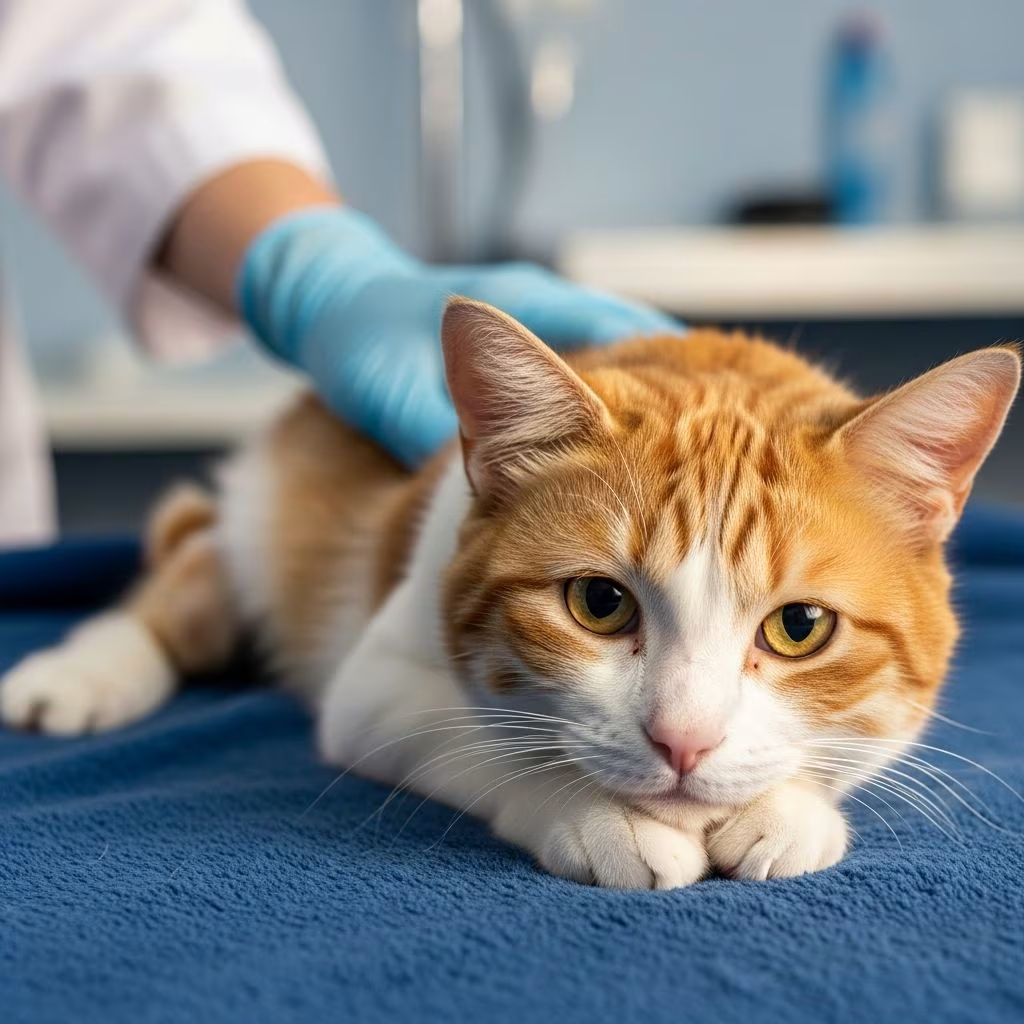
Hind leg paralysis in cats is a serious condition that can strike suddenly, leaving owners devastated and searching for answers. While the prognosis varies widely depending on the underlying cause, many cats can recover fully or partially with prompt veterinary intervention, appropriate treatments, and dedicated home care. Recovery is possible in cases of reversible issues like saddle thrombus or minor trauma, but permanent damage from severe spinal injuries may require lifelong management. This comprehensive guide, informed by veterinary expertise, explores the causes, symptoms, diagnostic processes, treatment options, recovery timelines, and essential care strategies to give your feline the best chance at regaining mobility.
What Causes Hind Leg Paralysis in Cats?
Hind leg paralysis, also known as paraplegia, occurs when a cat loses the ability to move one or both hind legs voluntarily. This can range from partial weakness (paresis) to complete immobility. The causes are diverse, spanning vascular emergencies, trauma, neurological disorders, and infections. Identifying the root cause is crucial, as it directly impacts recovery potential.
Saddle Thrombus (Aortic Thromboembolism)
The most common and acute cause of sudden hind leg paralysis in cats is saddle thrombus, a blood clot that lodges at the aortic bifurcation, blocking blood flow to the hind limbs. This typically affects heart disease patients with hypertrophic cardiomyopathy, where clots form in the heart and embolize. Cats present with acute pain, cold limbs, dragging hind legs, and vocalization. It’s a medical emergency with a guarded prognosis; some cats recover limb function within weeks to months if the clot partially resolves, but recurrence is common.
Trauma and Spinal Injuries
Trauma from falls, car accidents, or bites can damage the spinal cord, leading to paralysis. Fractures, dislocations, or nerve compression cause immediate loss of function. If the spinal cord is intact (no complete transection), nerves can regenerate at about 1 inch per month, offering hope for recovery over 1-2 months with supportive care.
Infections and Inflammatory Conditions
Infections like bacterial abscesses or viral diseases (e.g., FIP) can inflame the spinal cord or nerves, causing paralysis. Inflammatory conditions such as intervertebral disc disease (rare in cats) or meningitis respond well to antibiotics and anti-inflammatories if caught early.
Other Causes
- Tick Paralysis: Toxins from tick bites disrupt nerve signals; removal leads to rapid recovery within days.
- Neoplasia: Tumors compressing the spine may require surgery but often have poor outcomes.
- Degenerative Disorders: Conditions like fibrocartilaginous embolism mimic strokes and can resolve spontaneously.
- Electrolyte Imbalances: Severe hypokalemia from chronic kidney disease can cause temporary weakness.
Understanding the cause guides treatment; vascular issues demand speed, while inflammatory ones benefit from targeted meds.
Symptoms of Hind Leg Paralysis in Cats
Recognizing symptoms early is vital for timely intervention. Key signs include:
- Sudden inability to stand or walk on hind legs, often dragging them.
- Severe pain (yelping, aggression when touched).
- Cold, pale hind paws with absent pulses (hallmark of saddle thrombus).
- Loss of pain sensation in limbs.
- Incontinence or difficulty urinating/defecating.
- Muscle tremors, spasms, or rapid breathing from pain/stress.
Progression can be acute (minutes for thrombi) or gradual (over days for infections). Always seek emergency vet care if paralysis appears.
How Is Hind Leg Paralysis Diagnosed?
Vets start with a thorough history and physical exam, assessing reflexes, pain response, and limb temperature. Diagnostics include:
| Test | Purpose |
|---|---|
| Neurological Exam | Localize lesion (spinal segments, nerves) |
| Radiographs (X-rays) | Detect fractures, tumors, disc issues |
| Myelogram/CT/MRI | Visualize spinal cord compression |
| Ultrasound/Echocardiogram | Check for heart clots in saddle thrombus |
| Bloodwork/Urinalysis | Rule out infections, electrolytes |
These pinpoint the cause, enabling targeted therapy.
Treatment Options for Hind Leg Paralysis
Treatment is multifaceted, addressing the cause, pain, and complications. Hospitalization for 24-72 hours is common for stabilization.
Medications
Essential drugs include:
- Corticosteroids (e.g., prednisolone): Reduce spinal swelling; cornerstone for trauma/inflammation.
- NSAIDs: Pain relief and anti-inflammation, used cautiously.
- Pain Meds (opioids, gabapentin): Manage severe pain.
- Muscle Relaxants: Ease spasms.
- Antibiotics: For infections.
- Anticoagulants/Clot Busters: For saddle thrombus (e.g., heparin, thrombolytics).
- Nerve Support (vitamins B, etc.): Aid regeneration.
Surgery
Indicated for fractures, tumors, or abscesses. Spinal stabilization or decompression can restore function if nerves are viable.
Physical Therapy and Rehabilitation
Critical for recovery: passive range-of-motion exercises, massage, stretching prevent atrophy and contractures. Work with certified rehab vets. Acupuncture and laser therapy promote nerve healing.
Recovery Timeline and Prognosis
Recovery varies: saddle thrombus may improve in 1-4 weeks but recurs in 50%+ cases; nerve injuries take months (1 inch/month regeneration). Good signs: voluntary movement, pain sensation return within 1-2 months. Poor prognosis for complete spinal transection or advanced heart disease may lead to euthanasia. With therapy, 60-80% of trauma cases regain function.
Home Care for Cats with Hind Leg Paralysis
Post-discharge, provide:
- Soft Bedding: Prevent pressure sores; turn every 2-4 hours.
- Assist Mobility: Slings, carts for hind legs restore independence.
- Bladder Expression: Manual if incontinent.
- Hygiene: Clean to avoid UTIs.
- Nutrition: High-protein diet supports healing.
- Monitor: Appetite, wounds, breathing.
Elizabethan collars prevent self-trauma; amputation for permanent drag injuries yields good quality of life.
Preventing Hind Leg Paralysis in Cats
Minimize risks: heart screenings for breeds prone to cardiomyopathy, tick preventives, indoor living to avoid trauma, regular vet checkups for early detection.
Frequently Asked Questions (FAQs)
Can cats recover from hind leg paralysis?
Yes, many cats recover fully or partially depending on the cause. Trauma and infections often have good outcomes with treatment, while saddle thrombus has a guarded prognosis.
How long does it take for a cat to recover from hind leg paralysis?
1-2 weeks for mild cases, up to 3-6 months for nerve regeneration. Monitor progress weekly.
Can a cat live a normal life with hind leg paralysis?
Absolutely, with carts, therapy, and adaptations, quality of life remains high.
Is hind leg paralysis in cats always painful?
Often yes, especially acutely; pain meds are essential.
What is the most common cause of sudden hind leg paralysis in cats?
Saddle thrombus from heart disease.
References
- Leg Paralysis in Cats – Cat Owners — Merck Veterinary Manual. 2023. https://www.merckvetmanual.com/cat-owners/brain-spinal-cord-and-nerve-disorders-of-cats/leg-paralysis-in-cats
- Paralysis in Cats — PetMD. 2024. https://www.petmd.com/cat/conditions/neurological/c_ct_paralysis
- Paralysis in Cats: 7 Essential Medications Every Owner Should Know — The Pet Vet. 2023. https://thepetvet.com/paralysis-in-cats/
- Paralysis In Cats: Types And Treatments — Horizon Vet Brighton. 2022-04-29. https://www.horizonvetbrighton.com/site/blog/2022/04/29/paralysis-in-cats-types-and-treatments
- Cat Paralysis — VHC Monterey Park. 2024-05-15. https://www.vhc.la/site/blog/2024/05/15/cat-paralysis



