

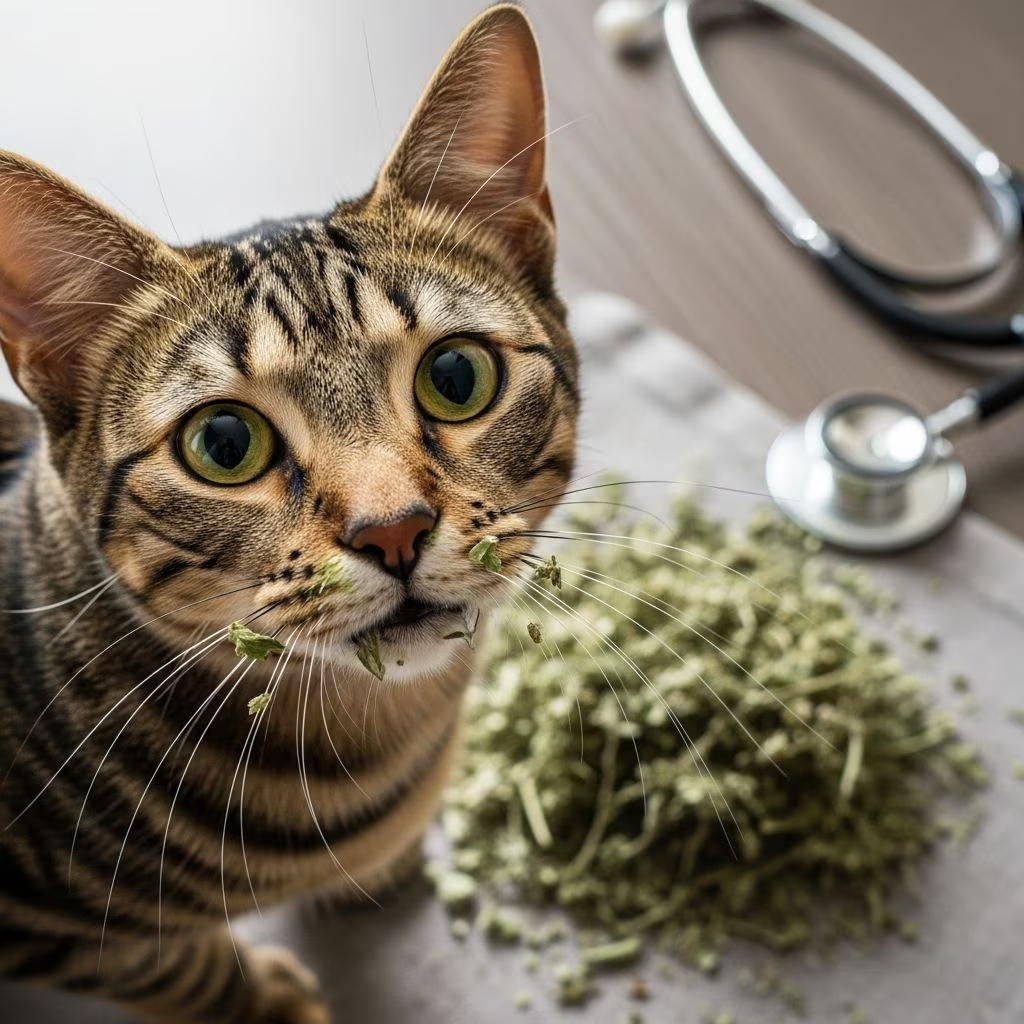
Catnip, derived from the Nepeta cataria plant, elicits euphoric responses in about 70-80% of cats, but many owners wonder: can cats overdose on catnip? While catnip is generally safe and non-toxic, excessive exposure or ingestion can lead to temporary overstimulation or mild gastrointestinal issues rather than a true life-threatening overdose. Veterinary experts emphasize moderation to prevent discomfort, with symptoms typically resolving within 10-30 minutes. This article breaks down the science, signs, risks, and best practices for safe catnip use.
What Is Catnip and How Does It Affect Cats?
Catnip contains nepetalactone, an essential oil in its leaves, stems, and seeds that triggers a response when sniffed via the cat’s vomeronasal organ—a specialized scent pathway in the mouth leading to the brain. This mimics feline pheromones, inducing behaviors like rolling, rubbing, purring, hyperactivity, or relaxation. Not all cats react; sensitivity is genetic, affecting roughly two-thirds of adults, with kittens under 6 months and seniors often unresponsive.
Effects peak within minutes and last 5-15 minutes, followed by a refractory period of 30 minutes to several weeks where the cat becomes temporarily immune. Fresh catnip is more potent than dried, amplifying reactions. Behaviors include:
- Hyperactivity: Running, jumping, and playful zooming.
- Relaxation: Rolling on the ground, purring, and drooling.
- Vocalization: Increased meowing, yowling, or chattering.
- Rubbing and rolling: Marking territory by spreading the scent.
These responses resemble euphoria but differ from true intoxication, lacking severe disorientation or dilated pupils seen in drug highs.
Can Cats Overdose on Catnip?
Cats cannot fatally overdose on catnip, as confirmed by veterinary sources; it’s non-addictive and non-toxic. However, overconsumption—typically from eating large amounts or prolonged exposure—can cause temporary side effects like digestive upset or extreme overstimulation. The ASPCA notes it may lead to vomiting and diarrhea in some cats, with stimulation or sedation varying by individual. PetMD specifies issues like dizziness or coordination loss from excess, recommending no more than 1 tablespoon at a time.
Rare severe cases might involve lethargy or seizures, but these are exceptional and often tied to underlying health issues. Overdose risk rises with concentrated forms like oils, which should be avoided.
Symptoms of Catnip Overdose in Cats
Recognizing overdose signs helps owners intervene early. Common symptoms include:
- Excessive Hyperactivity: Uncoordinated running, jumping, or zooming that risks injury.
- Vomiting: From ingesting too much, causing stomach upset; usually self-resolves.
- Aggression: Growling, hissing, or swatting due to overstimulation.
- Disorientation and Loss of Coordination: Stumbling, wobbling, or dazed appearance.
- Excessive Vocalization: Unusual yowling or meowing.
- Diarrhea or Lethargy: Mild GI distress or post-effect fatigue.
Symptoms mirror normal reactions but intensify and persist beyond 15-30 minutes. A table summarizes key signs:
| Symptom | Description | Duration |
|---|---|---|
| Hyperactivity | Darting, uncoordinated play | 10-30 min |
| Vomiting | Stomach upset from ingestion | Short-term |
| Aggression | Hissing, swatting | During peak |
| Disorientation | Stumbling, confusion | Up to 30 min |
What Happens When a Cat Overconsumes Catnip?
Overconsumption leads to overstimulation: erratic behavior, vocalizing, and potential accidents. If ingested excessively, it irritates the gut, causing nausea, vomiting, or diarrhea—symptoms akin to mild poisoning but resolving naturally. In rare instances, dehydration or prolonged lethargy may occur, warranting vet attention. Cats self-regulate sniffing but may chew toys stuffed with catnip, increasing ingestion risk. Effects wane as nepetalactone metabolizes quickly, restoring normalcy.
Is Catnip Addictive or Harmful to Cats?
Catnip is neither addictive nor physically dependent; cats lose interest post-exposure and require weeks to reset sensitivity. No long-term harm occurs with appropriate use, though frequent overexposure risks habituation or chronic mild GI issues. It’s safer than many toys, but monitor multi-cat homes for resource guarding. Veterinary consensus: enriching and stress-relieving when dosed properly.
Risks and When to Worry
Primary risks are temporary: overstimulation injuries or GI distress. Worry if symptoms exceed 1-2 hours, include severe lethargy, persistent vomiting, blood in stool, or seizures—these signal potential complications. Kittens, seniors, or cats with pre-existing conditions (e.g., IBD) face higher sensitivity. Always prioritize fresh water and safe spaces.
What to Do if Your Cat Overdoses on Catnip
Act promptly but calmly:
- Remove Catnip: Confiscate toys or plant material.
- Provide Quiet Space: Dim lights, minimal stimulation to de-escalate.
- Encourage Hydration: Offer fresh water to aid flushing.
- Monitor Closely: Track symptoms; most resolve in hours.
- Contact Vet: If distress persists, vomiting continues, or behavior worsens—note amount consumed.
Vets may suggest fluids or anti-nausea meds for severe cases. Prevent by limiting sessions to 10-15 minutes, using 1 tsp dried catnip.
How to Safely Give Your Cat Catnip
Moderation ensures fun without risks:
- Use sparingly: 1 tsp-1 tbsp dried, less for fresh.
- Infuse toys, not free-access piles.
- Limit frequency: Every 1-2 weeks.
- Supervise play to avoid ingestion.
- Store airtight to preserve potency.
Alternatives like silver vine or valerian offer similar effects for non-responders.
Catnip FAQs
Can cats overdose on catnip?
No fatal overdose, but excess causes vomiting, hyperactivity, or diarrhea.
How much catnip is too much?
Over 1 tbsp dried; fresh is stronger—consult vet for your cat.
Does catnip make cats high?
It induces euphoria-like playfulness, not true intoxication.
Is catnip addictive?
No, effects self-limit with natural tolerance periods.
How long do catnip effects last?
10-30 minutes, immunity up to 1 week.
What if my cat vomits after catnip?
Remove source, hydrate, monitor; vet if persistent.
This guide empowers cat owners to enjoy catnip safely. Always observe your cat’s unique responses and consult professionals for concerns.
References
- Can Cats Overdose On Catnip? — Multipet. 2025-05-08. https://www.multipet.com/can-cats-overdose-on-catnip/
- Catnip Overdose: Signs, Symptoms, and Safeguards — Kitty Kick Stix. N/A. https://www.kittykickstix.com/blogs/cat-resources/catnip-overdose-signs-symptoms-safeguards
- What is Catnip? The Effects Catnip Has on Cats — Boulder Veterinary. N/A. https://bouldervet.com/blog/the-effects-catnip-has-on-cats/
- What Is Catnip and What Does It Do to Cats? — PetMD. N/A. https://www.petmd.com/cat/general-health/what-is-catnip
- Everything You Need to Know About Catnip — Small Door Veterinary. N/A. https://www.smalldoorvet.com/learning-center/medical/catnip
- Catnip Poisoning in Cats — WagWalking. N/A. https://wagwalking.com/cat/condition/catnip-poisoning
- Catnip – Toxic and Non-toxic Plants — ASPCA. N/A. https://www.aspca.org/pet-care/aspca-poison-control/toxic-and-non-toxic-plants/catnip



