

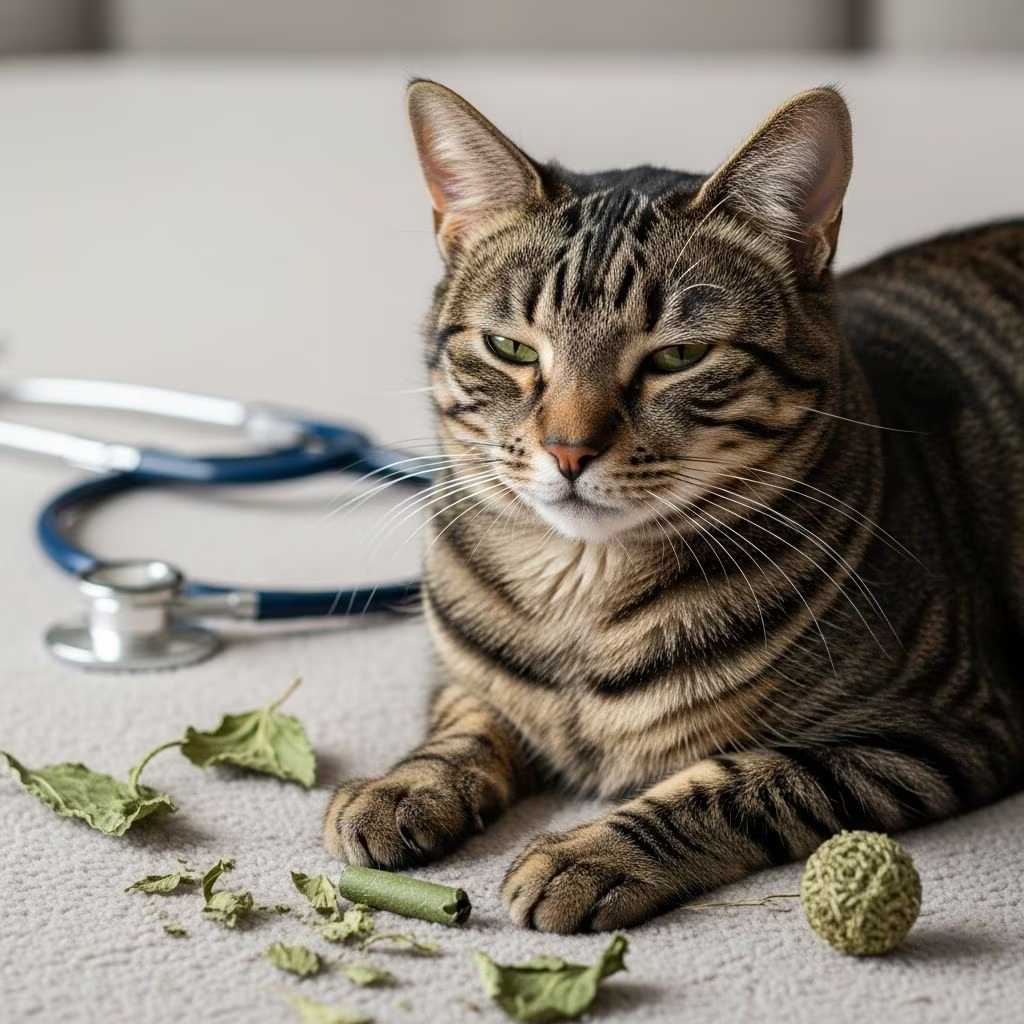
Catnip, derived from the Nepeta cataria plant, elicits euphoric responses in about 70-80% of cats, but many owners wonder: can cats overdose on catnip? While catnip is generally safe and non-toxic, excessive exposure or ingestion can lead to temporary overstimulation or mild gastrointestinal upset, such as vomiting or diarrhea. Veterinary experts confirm that true life-threatening overdose is extremely rare, but moderation is key to preventing discomfort.
This comprehensive guide, informed by veterinary insights, breaks down what happens when cats encounter too much catnip, symptoms to watch for, and steps for safe enjoyment. Understanding the science behind catnip’s appeal—primarily the compound nepetalactone binding to olfactory receptors—helps cat owners use it responsibly.
What Is Catnip and How Does It Affect Cats?
Catnip contains nepetalactone, an essential oil in the plant’s leaves and stems that triggers behavioral changes when sniffed. Cats’ vomeronasal organ (Jacobson’s organ) in the roof of their mouth detects this scent, sending signals to the brain that mimic feline pheromones, inducing euphoria.
Effects typically last 10-15 minutes, followed by a refractory period of 30 minutes to several hours where cats become temporarily unresponsive. Not all cats react—kittens under 6 months and about 20-30% of adults are genetically insensitive. Common reactions include:
- Hyperactivity: Running, jumping, and playful pouncing.
- Relaxation: Rolling, rubbing, and purring.
- Vocalization: Increased meowing or chirping.
- Aggression or affection: Depending on the cat’s personality.
Fresh catnip is more potent than dried, so smaller amounts suffice. Toys infused with catnip provide safer, controlled exposure compared to loose dried leaves.
Can Cats Overdose on Catnip?
Veterinarians agree: cats cannot fatally overdose on catnip from sniffing alone, as it’s non-toxic per ASPCA guidelines. However, overconsumption—eating large quantities—can cause mild toxicity symptoms like digestive upset. PetMD notes that while not addictive, excessive amounts (more than 1 tablespoon) may lead to vomiting, diarrhea, dizziness, or coordination issues.
Rare severe cases might involve lethargy or seizures from extreme ingestion, but these resolve with supportive care. Overdose risk increases with concentrated oils or prolonged toy use, where cats ingest fibers.
| Exposure Type | Risk Level | Common Effects |
|---|---|---|
| Sniffing | Low | Behavioral changes (10-15 min) |
| Eating small amounts | Low-Moderate | Mild GI upset |
| Eating large amounts | Moderate | Vomiting, diarrhea, disorientation |
| Concentrated oils | High | Stronger symptoms; avoid |
Symptoms of Catnip Overdose in Cats
Recognizing overdose signs allows prompt intervention. Symptoms mimic intense euphoria but escalate to distress.
Hyperactivity
Excessive running, jumping, or uncoordinated zooming indicates overstimulation. Cats may knock over objects or risk injury.
Vomiting and Diarrhea
Ingesting too much irritates the stomach, causing vomiting or loose stools. This is the most common GI sign and usually self-resolves.
Aggression
Overstimulated cats may hiss, growl, or swat at others, protecting their ‘catnip space’.
Disorientation and Loss of Coordination
Stumbling, wobbling, or dazed stares signal overload. Excessive vocalization like yowling accompanies this.
Other Signs
- Lethargy post-high.
- Drooling or dilated pupils.
- Rare: Seizures in extreme cases.
Symptoms peak within 30 minutes and fade as effects wear off.
What Happens When a Cat Overconsumes Catnip?
Overconsumption leads to overstimulation: erratic behavior, nausea from ingestion, and temporary digestive distress. Cats may chew toys excessively, swallowing plant material. Most recover in hours, but persistent issues warrant vet attention.
Unlike addictive substances, catnip sensitivity resets naturally, preventing habitual use.
Is Catnip Addictive or Harmful to Cats?
Catnip is not addictive—no physical dependency forms. Cats self-regulate, losing interest after short bursts. The ASPCA lists it as non-toxic, though overeating causes transient issues. Long-term harm is absent when used moderately.
How Much Catnip Is Too Much?
Limit to 1 tablespoon of dried catnip per session. Fresh requires less due to potency. Rotate toys to dilute effects and avoid daily use. Kittens and sensitive cats need even smaller doses.
What to Do if Your Cat Overdoses on Catnip
Stay calm—most cases resolve naturally. Steps include:
- Remove catnip: Confiscate toys or plants immediately.
- Quiet space: Place in a calm, safe area to de-stress.
- Hydrate: Offer fresh water to aid flushing.
- Monitor: Watch for 1-2 hours; note consumption amount.
- Vet if needed: For prolonged vomiting, lethargy, or distress—supportive care like fluids may help.
Preventing Catnip Overdose: Vet Tips
Moderation ensures fun without risks:
- Use catnip-infused toys over loose herb.
- Limit sessions to 10-15 minutes, 2-3 times weekly.
- Supervise play to prevent ingestion.
- Store securely; choose organic sources.
- Consult vet for health-compromised cats.
Frequently Asked Questions (FAQs)
Can cats overdose on catnip from smelling it?
No, sniffing alone doesn’t cause overdose, but eating large amounts can lead to mild GI issues.
How long do catnip effects last?
Typically 10-15 minutes, with immunity for 30 minutes to 1 hour afterward.
Is catnip safe for kittens?
Kittens under 6 months usually don’t react and should avoid ingestion.
Does catnip make cats high like drugs?
It induces euphoria but without disorientation or addiction seen in true intoxicants.
What if my cat vomits after catnip?
Remove source, hydrate, and monitor. Vet if it persists beyond a few hours.
By following these guidelines, catnip remains a safe enrichment tool. Always prioritize your cat’s well-being and consult professionals for concerns.
References
- What Is Catnip and What Does It Do to Cats? — PetMD. 2023-10-15. https://www.petmd.com/cat/general-health/what-is-catnip
- Everything You Need to Know About Catnip — Small Door Veterinary. 2024-05-20. https://www.smalldoorvet.com/learning-center/medical/catnip
- Catnip – Toxic and Non-toxic Plants — ASPCA. 2025-01-10. https://www.aspca.org/pet-care/aspca-poison-control/toxic-and-non-toxic-plants/catnip
- The Effects Catnip Has on Cats — Boulder Veterinary Hospital. 2024-08-12. https://bouldervet.com/blog/the-effects-catnip-has-on-cats/
- Catnip Overdose: Signs, Symptoms, and Safeguards — Kitty Kick Stix. 2025-03-05. https://www.kittykickstix.com/blogs/cat-resources/catnip-overdose-signs-symptoms-safeguards



