

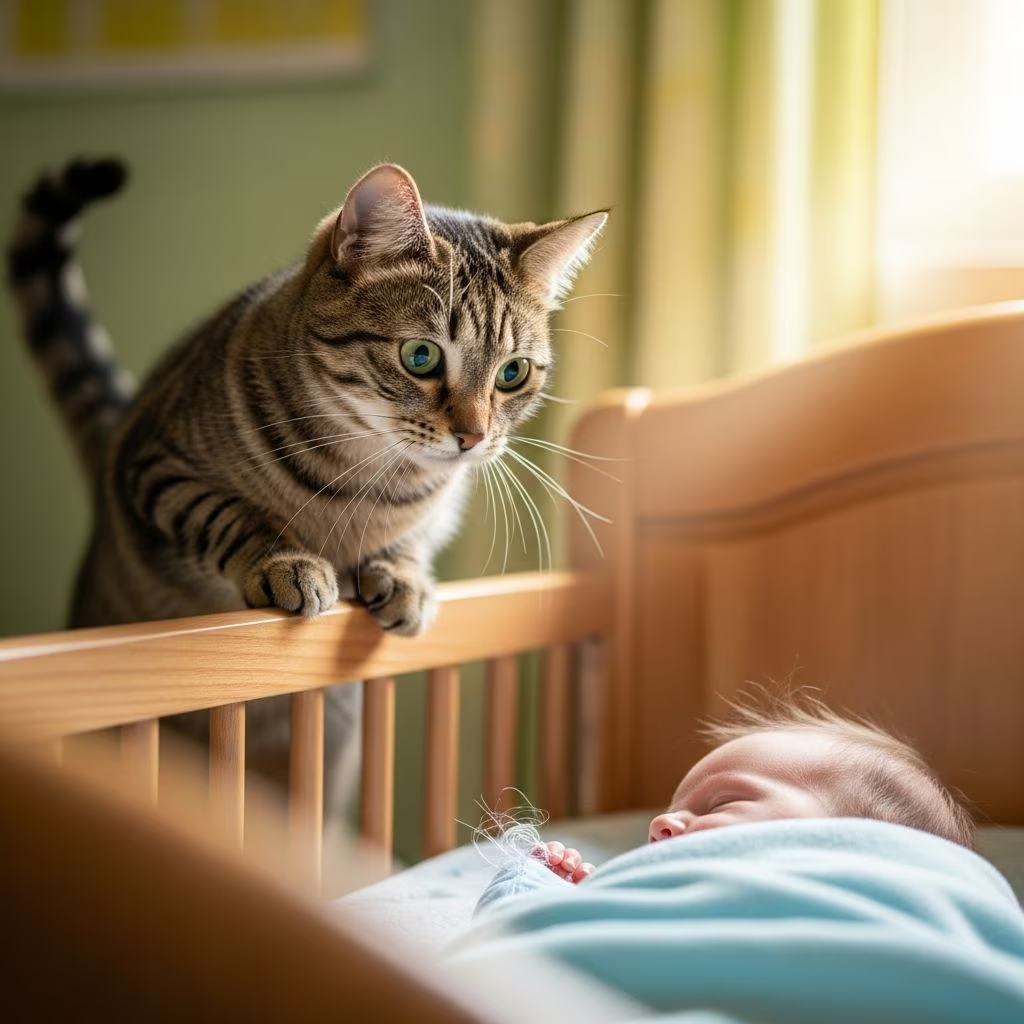
Cats are beloved pets that bring joy to many households, but concerns often arise about whether they can make babies sick, particularly through diseases like toxoplasmosis or other interactions. While most risks are manageable with proper precautions, understanding potential health issues such as infections, allergies, scratches, and behavioral concerns is crucial for families welcoming a new baby.
What Are the Risks of Cats and Babies?
The primary health concern with cats and babies centers on **toxoplasmosis**, a parasitic infection caused by *Toxoplasma gondii*, which cats can carry and shed in their feces. This parasite poses the greatest risk to pregnant women, as it can cross the placenta and affect the developing fetus, potentially leading to miscarriage, stillbirth, or congenital defects like vision loss, hearing impairment, developmental delays, or neurological issues. In the first trimester, risks are highest, with severe outcomes possible even if symptoms appear months after birth.
Babies and toddlers face lower direct risks from toxoplasmosis compared to fetuses, as transmission typically requires ingestion of infected feces, which is rare with good hygiene. However, other issues include cat scratches or bites that can cause infections, allergies triggered by dander, and rare bacterial transmissions from licks. Outdoor cats that hunt prey like rodents are more likely to carry toxoplasmosis, as they ingest the parasite and shed it for up to 14 days post-infection. Indoor cats fed commercial food have very low risk.
- Toxoplasmosis transmission: Via contact with feces, soil, or undercooked meat; cysts become infectious after 1-3 days in air.
- Effects on fetus: Up to 1/3-1/2 of exposed pregnancies result in infected babies, with long-term issues in many cases.
- Other risks: Allergies (sneezing, rashes), scratches leading to bacterial infections, or cats jumping on infants causing injury.
Toxoplasmosis: The Main Concern
**Toxoplasmosis** is a protozoan parasite prevalent worldwide, with cats as definitive hosts. Healthy adults often show flu-like symptoms or none, but immunocompromised individuals and pregnant women are vulnerable. For babies, congenital toxoplasmosis can cause chorioretinitis (eye inflammation), hydrocephalus, or seizures. The CDC notes that newly infected mothers during pregnancy can transmit it to the fetus asymptomatically.
Prevalence varies; many people carry latent infections without knowing. Testing is recommended for pregnant women with outdoor cats. Prevention focuses on avoiding feces: the parasite isn’t infectious immediately after shedding and requires oxygen exposure.
| Risk Factor | Transmission Method | Prevention |
|---|---|---|
| Toxoplasmosis | Feces, soil, raw meat | Avoid litter, wear gloves gardening |
| Allergies | Dander, saliva | Vacuum regularly, bathe cat |
| Scratches/Bites | Physical contact | Trim nails, supervise interactions |
Are Cats Safe During Pregnancy?
Yes, keeping cats during pregnancy is generally safe with precautions. The American College of Obstetricians and Gynecologists (ACOG) confirms indoor cats pose minimal toxoplasmosis risk if they don’t hunt. Avoid rehoming unless necessary; instead, delegate litter duties. Risks amplify with outdoor or stray cats.
Additional concerns: Cats sleeping on the belly or jumping could theoretically harm the baby, though evidence is anecdotal. Mood benefits from pet ownership may outweigh risks for mental health. Breastfeeding remains safe post-toxoplasmosis, as human milk transmission is undocumented.
Preventing Problems Between Cats and Babies
Proactive steps minimize risks:
- Litter box hygiene: Have others change it daily; wear gloves if unavoidable. Parasite isn’t infectious for 24+ hours.
- Cat lifestyle: Keep indoors, feed commercial food (no raw meat), update vaccines, flea control.
- Gardening/soil: Gloves, handwashing; cover sandboxes.
- Strays/new pets: Avoid contact or adoption during pregnancy.
- Food safety: Cook meats thoroughly; wash produce.
- Baby-proofing: Crib tents, supervise play; teach gentle handling.
For allergies, introduce baby to cat gradually, maintain cleanliness. Trim claws weekly to prevent scratches.
Cat Scratches, Bites, and Babies
Babies’ skin is delicate; cat scratches can introduce bacteria like *Pasteurella* or *Bartonella* (cat scratch disease), causing swelling, fever, or lymph node swelling. Bites risk deeper infections. Always clean wounds promptly and seek medical care for deep punctures. Playful cats may scratch unintentionally; supervision is key.
Cats and Baby Allergies
Cat allergies affect 10-20% of people, causing respiratory issues or eczema in infants. No breed is truly hypoallergenic, though some produce less Fel d 1 protein. Test baby early; if severe, consider rehoming, but most manage with air purifiers, frequent cleaning, and medications.
Cat Behavior Around Babies
Cats may feel jealous, leading to marking (spraying) or avoidance. Some bond closely, sleeping near baby for warmth. Introduce scents gradually: baby blanket to cat, vice versa. Provide extra attention, safe spaces. Never leave unsupervised to avoid smothering or injury.
Preparing Your Cat for Baby’s Arrival
Months before due date:
- Accustom cat to baby sounds/smells via recordings, lotions.
- Set up nursery off-limits with baby gates.
- Maintain routine but add playtime.
- Post-birth: Greet cat first, then introduce baby slowly.
Signs of stress: Hiding, aggression—consult vet or behaviorist.
FAQs
Should I get rid of my cat if pregnant?
No, with precautions like avoiding litter. Indoor cats are low-risk.
Can my baby get toxoplasmosis from my cat?
Rare for infants if hygiene is good; main risk is prenatal transmission.
Is cat litter dangerous for newborns?
Yes if ingested; keep baby away and clean daily.
Can I breastfeed with toxoplasmosis?
Yes, low risk via human milk.
Are there safe cat breeds for babies?
No fully safe breeds, but calm ones like Ragdolls may suit better.
References
- Potential Dangers to Pregnant Women who have Cats as Pets — Samitivej Hospitals. 2023. https://www.samitivejhospitals.com/article/detail/toxoplasmosis-cat-feces-disease
- Pregnancy With Cats: What to Know — WebMD. 2024-01-15. https://www.webmd.com/baby/pregnancy-with-cats-what-to-know
- Babies, Toddlers and Cats – Toxoplasmosis, Marking & Anxiety — The Feline Hospital. 2023. https://thefelinehospital.com/babies-toddlers-and-cats-toxoplasmosis-marking-anxiety/
- Is it safe to keep a cat during pregnancy? — ACOG. 2025-06-12. https://www.acog.org/womens-health/experts-and-stories/ask-acog/is-it-safe-to-keep-a-cat-during-pregnancy
- Toxoplasma Prevention Before You Become Pregnant — FDA. 2024. https://www.fda.gov/food/people-risk-foodborne-illness/toxoplasma-prevention-you-become-pregnant-food-safety-moms-be
- Toxoplasmosis – MotherToBaby Fact Sheets — NCBI/NIH. 2023-11-01. https://www.ncbi.nlm.nih.gov/books/NBK582993/
- Toxoplasmosis and Breastfeeding — CDC. 2025. https://www.cdc.gov/breastfeeding-special-circumstances/hcp/illnesses-conditions/toxoplasmosis.html



