

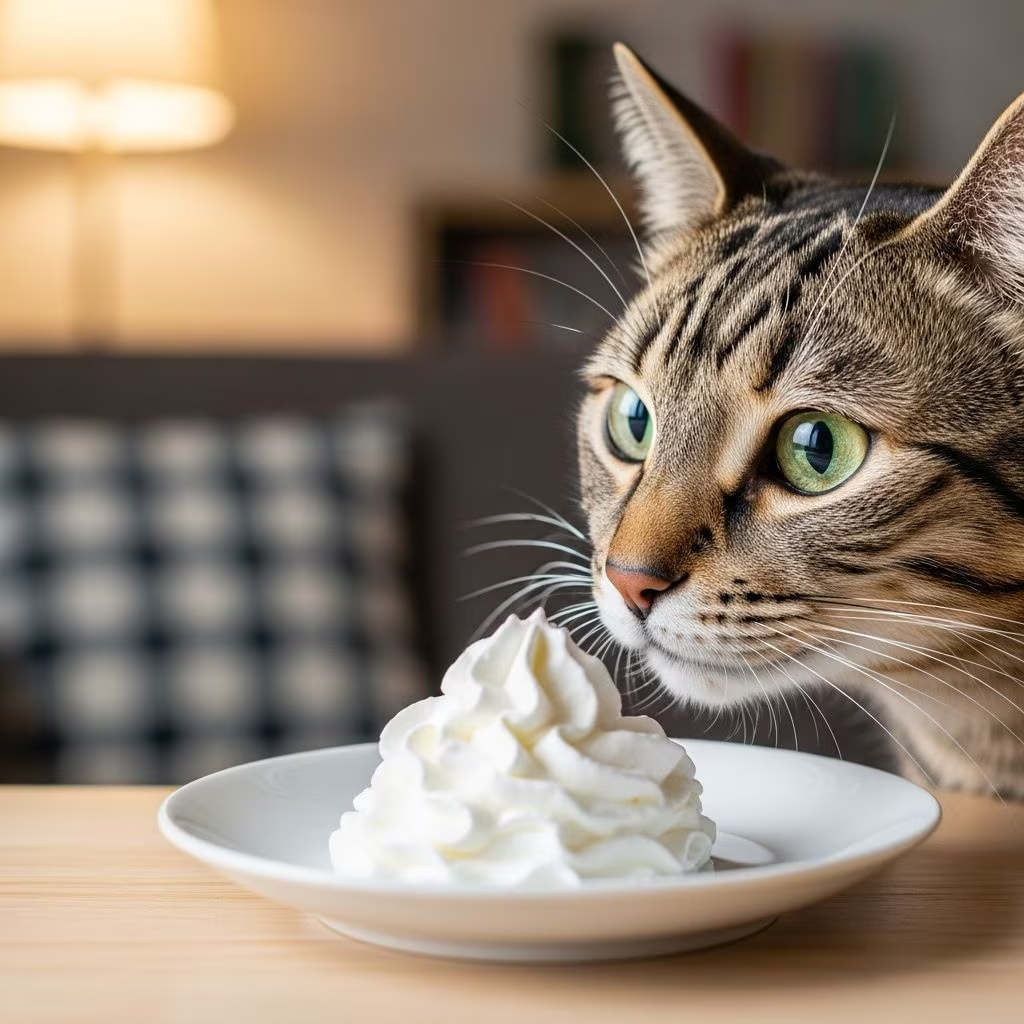
Can Cats Have Whipped Cream? A Complete Guide for Cat Owners
As a cat owner, you may have wondered whether it’s safe to share your favorite treats with your feline companion. Whipped cream is a popular dessert topping that many people enjoy, and it’s natural to want to let your cat experience the same pleasure. However, the answer to whether cats can have whipped cream is more nuanced than a simple yes or no. While whipped cream is non-toxic to cats, it should only be consumed in moderation and is generally not recommended as a regular treat.
Is Whipped Cream Toxic to Cats?
The first question cat owners ask is whether whipped cream is toxic. The straightforward answer is no—whipped cream itself is not poisonous to cats. Unlike some human foods that contain ingredients harmful to felines, whipped cream won’t cause immediate poisoning. However, non-toxic does not mean safe or beneficial, and there are several reasons why veterinarians recommend limiting or avoiding whipped cream for your cat.
Understanding Feline Lactose Intolerance
One of the primary reasons whipped cream is problematic for cats relates to their digestive system. Most adult cats are lactose intolerant. While popular culture often depicts cats happily lapping up milk, this image doesn’t reflect feline biology. Cats lack sufficient lactase—the enzyme needed to break down lactose found in dairy products. When cats consume dairy products like whipped cream, their bodies cannot efficiently process the lactose, leading to digestive distress.
When a lactose-intolerant cat consumes whipped cream, the results can include:
- Diarrhea
- Vomiting
- Constipation
- Gas and abdominal discomfort
- General gastrointestinal upset
The severity of these symptoms depends on the individual cat and the amount of whipped cream consumed. While these symptoms are usually temporary and resolve within a few days, they cause unnecessary discomfort to your pet.
High Fat Content and Weight Concerns
Beyond lactose content, whipped cream poses another significant health risk: its high fat content. Whipped cream contains substantially more fat than regular milk. Cats have difficulty digesting high amounts of fat, and excessive fat consumption contributes to weight gain and obesity in felines. Weight problems in cats lead to serious health complications, including diabetes, joint issues, and reduced quality of life.
A single serving of whipped cream may seem harmless, but when consumed regularly, even small amounts accumulate. For cats that are already overweight or predisposed to weight gain, whipped cream represents empty calories without any nutritional benefit.
Sugar Content and Metabolic Issues
Whipped cream typically contains added sugars, which presents another concern for feline health. Sugar consumption in cats can lead to:
- Weight gain and obesity
- Increased risk of diabetes
- Dental problems and tooth decay
- Blood sugar fluctuations
Interestingly, cats lack taste receptors for sweetness, meaning they cannot taste and enjoy the sweet flavor of whipped cream the way humans do. This makes offering whipped cream even less justified—your cat receives no sensory enjoyment from the treat while still facing the associated health risks.
Some whipped cream products contain corn syrup or artificial sweeteners like xylitol. Xylitol is particularly dangerous for cats, as it can cause severe hypoglycemia and liver damage.
Nutritional Value for Cats
Understanding feline nutritional requirements is essential when evaluating any food. Cats are obligate carnivores, meaning their bodies are designed to obtain nutrients from animal proteins. Unlike omnivores, cats have specific dietary needs that center on high-quality protein from meat sources. Their regular cat food—whether commercial canned food or kibble—provides all essential nutrients required for health and vitality.
Whipped cream offers no nutritional value for cats. It contains no amino acids, vitamins, or minerals that cats need. Instead, it represents empty calories that contribute to weight gain without supporting feline health.
What Happens If Your Cat Licks Whipped Cream?
Many cat owners worry about accidental exposure. If your cat licks a small amount of whipped cream, don’t panic. Most cats won’t experience severe consequences from a single, minimal exposure. Symptoms like mild gastrointestinal upset may occur but typically resolve within days. However, if your cat consumed whipped cream containing xylitol or other artificial sweeteners, contact your veterinarian immediately for guidance.
The key is preventing regular or excessive exposure. One accidental lick is unlikely to cause lasting harm, but intentionally feeding whipped cream increases the risk of health problems.
Special Situations: Medical Use of Whipped Cream
Interestingly, veterinarians and animal rescuers sometimes use small amounts of whipped cream strategically during stressful medical procedures. In these specific contexts—such as during vaccinations or injections—a tiny amount of whipped cream serves as a high-value treat to help soothe anxious kittens and reduce fear. This is a controlled, minimal exposure meant to address immediate behavioral needs during essential medical care, not a regular dietary recommendation.
Healthier Treat Alternatives for Your Cat
If you want to reward your cat with treats, numerous healthier alternatives exist that provide greater satisfaction and nutritional benefits:
- Carrots: Low in calories and provide dental benefits through chewing
- Pumpkin: Aids digestive health and provides vitamins
- Bonito flakes: A high-protein, cat-safe treat that appeals to feline taste preferences
- Crunchy cat treats: Specially formulated treats designed for feline nutrition
- Cooked chicken: Plain, unseasoned chicken provides lean protein
- Cat-specific treats: Commercially available options formulated for feline health
These alternatives align with cats’ carnivorous nature, provide nutritional benefits, and won’t cause digestive upset.
Puppuccinos and Whipped Cream Treats
Puppuccinos—cups of whipped cream available at many coffee shops—are marketed for dogs but have become popular among some cat owners. While cats can technically consume a small amount in moderation, there’s no reason to feed them whipped cream in any form. The lactose content and lack of nutritional benefit make Puppuccinos unsuitable for feline consumption. If you’re looking for special treats to pamper your cat at coffee shops or elsewhere, ask your veterinarian about cat-specific alternatives.
Consulting Your Veterinarian
Every cat is unique, and individual health conditions matter. Before introducing any new food—including occasional whipped cream—consult your veterinarian. This is especially important if your cat has existing health conditions like diabetes, obesity, or digestive issues. Your vet can provide personalized guidance based on your cat’s age, weight, and medical history.
Frequently Asked Questions
Q: Can cats have Puppuccinos?
A: Cats can technically have a small taste of whipped cream in moderation, but there’s no reason to feed them Puppuccinos. They’re high in lactose and provide no nutritional benefit. Regular cat treats are a much better choice for showing your feline friend love.
Q: What should I do if my cat ate whipped cream?
A: If your cat consumed a small amount, monitor for mild digestive upset that typically resolves within a few days. However, if the whipped cream contained xylitol or artificial sweeteners, contact your veterinarian immediately for professional guidance.
Q: Why do cats seem interested in whipped cream if they’re lactose intolerant?
A: Cats may be attracted to the fat content and texture of whipped cream rather than the taste. This doesn’t mean whipped cream is safe or appropriate—cats simply lack the ability to taste sweetness, so they’re not enjoying the flavor in the way you might expect.
Q: Are all cats lactose intolerant?
A: While most adult cats are lactose intolerant, not every single cat is affected equally. However, since the majority lack proper lactase enzyme production, it’s safest to avoid all dairy products for your cat.
Q: What are the best treats to give my cat instead?
A: Healthy alternatives include carrots, pumpkin, bonito flakes, crunchy commercial cat treats, and plain cooked chicken. These options align with feline nutritional needs and won’t cause digestive issues.
Final Thoughts: Prioritizing Your Cat’s Health
The bottom line is clear: while whipped cream is not toxic to cats, it should not be part of your cat’s regular diet. Your cat doesn’t need whipped cream, doesn’t taste it the way you do, and won’t miss out on anything by never consuming it. Instead of offering whipped cream, focus on providing nutritionally appropriate treats that support your cat’s health and longevity. Your feline friend will be happier and healthier for it.
References
- Can Cats Have Whipped Cream? — Dutch. 2024. https://www.dutch.com/blogs/cats/can-cats-have-whipped-cream
- Can Cats and Kittens Eat Whipped Cream? — Kitten Lady (YouTube). 2020-05-26. https://www.youtube.com/watch?v=c2Sf0TY_njI



