

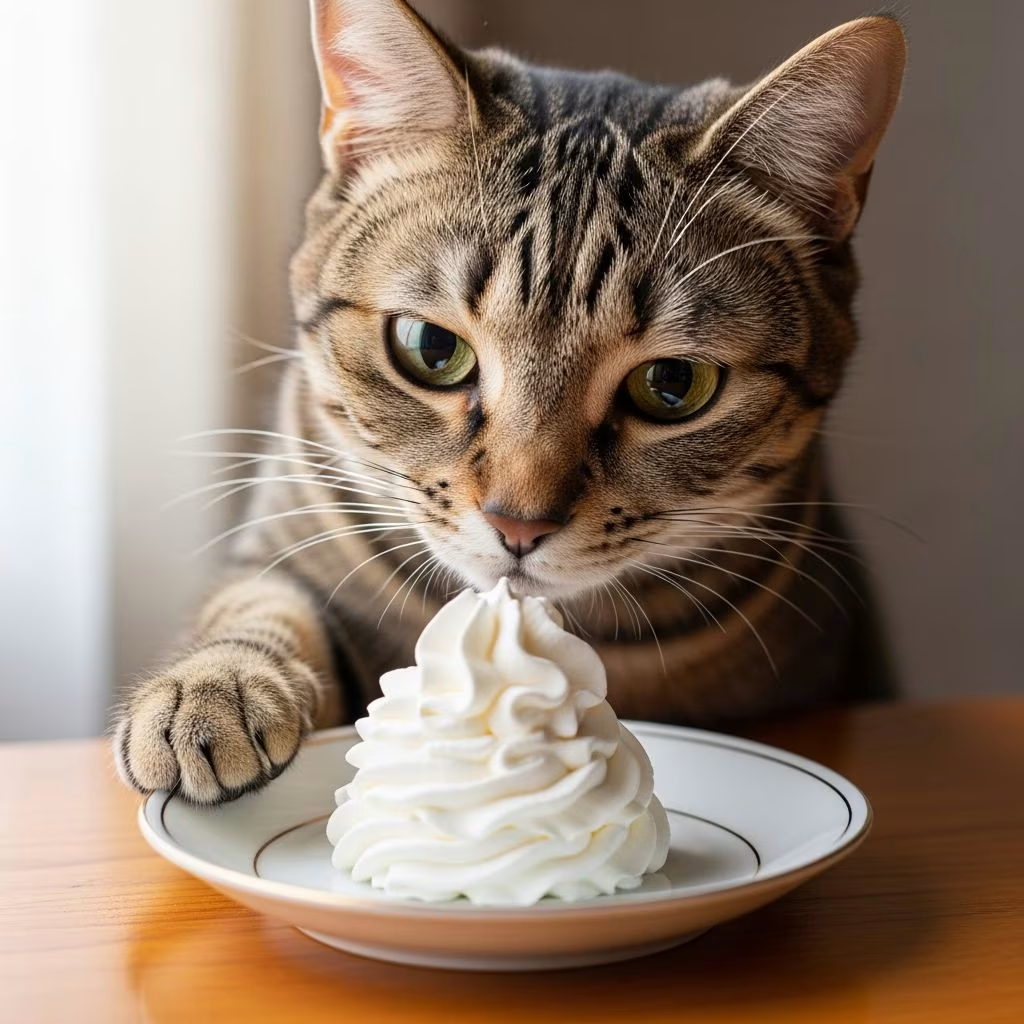
Whipped cream might seem like a fun, fluffy treat to share with your cat, but is it safe? While **whipped cream is non-toxic to cats**, it offers no nutritional value and can lead to health issues like digestive upset, weight gain, and obesity when given regularly. Most cats are lactose intolerant, making dairy products like whipped cream problematic despite the classic image of cats lapping up milk. This comprehensive guide explores the ingredients in whipped cream, potential dangers, safe feeding guidelines, healthier alternatives, and answers to common questions from cat owners.
What Is Whipped Cream Made Of?
Whipped cream is typically created by whipping heavy cream with air until it becomes light and fluffy. Common ingredients include:
- Heavy cream: High in fat (around 36-40%) and contains lactose, a sugar many cats can’t digest properly.
- Sugar or sweeteners: Added for taste, but cats lack sweet taste receptors, so they don’t enjoy it like humans do.
- Flavorings: Vanilla extract or other additives, which may include alcohol or artificial compounds unsafe for cats.
- Stabilizers: In canned versions, like nitrous oxide propellant, or emulsifiers that aren’t ideal for feline digestion.
Homemade whipped cream might seem simpler, but the core issue remains the dairy base. Cats are obligate carnivores, evolved to thrive on meat-based diets high in protein and moisture, not creamy desserts.
Can Cats Eat Whipped Cream?
In small amounts, yes—**cats can have whipped cream occasionally without immediate toxicity**. However, it’s not recommended as a regular treat. Veterinary experts note that while a tiny lick won’t harm most healthy cats, repeated exposure poses risks. Kittens and adults alike may tolerate minuscule quantities during stressful vet visits as a high-value distraction, but everyday feeding is unwise.
The key is moderation: a fingertip dab (less than a teaspoon) once in a blue moon for a healthy adult cat. Anything more invites trouble, especially for seniors, overweight cats, or those with pre-existing conditions like diabetes.
Is Whipped Cream Bad for Cats?
Yes, **whipped cream can be bad for cats** primarily due to its composition mismatched to feline biology. Here’s why:
- Lactose intolerance: Adult cats produce little lactase enzyme after weaning, leading to undigested lactose fermenting in the gut. Symptoms include diarrhea, vomiting, gas, bloating, and constipation.
- High fat content: Excessive fats are hard for cats to process, risking pancreatitis, obesity, and hepatic lipidosis (fatty liver disease).
- Sugar overload: Though cats can’t taste sweetness, sugars contribute empty calories, promoting weight gain, dental issues, and diabetes risk. Corn syrup can spike then crash blood sugar, dangerous for diabetic cats.
- Other additives: Artificial sweeteners like xylitol (toxic, causing hypoglycemia and liver failure) or flavors may lurk in commercial products—always check labels.
Obligate carnivores don’t need or benefit from these; their diet should prioritize animal proteins. Over time, whipped cream displaces nutrient-dense food, leading to deficiencies and health decline.
Health Risks of Feeding Cats Whipped Cream
Beyond immediate GI woes, long-term risks compound:
| Risk | Description | Symptoms/Consequences |
|---|---|---|
| Obesity | High calories from fat/sugar without satiety | Weight gain, joint issues, reduced lifespan |
| Digestive Disorders | Lactose maldigestion | Diarrhea, vomiting, dehydration |
| Diabetes | Sugar-induced insulin resistance | Excessive thirst, urination, lethargy |
| Pancreatitis | Fat overload inflames pancreas | Severe abdominal pain, vomiting |
| Dental Problems | Sugar feeds oral bacteria | Plaque, gingivitis, tooth loss |
These issues are preventable by sticking to cat-appropriate foods. If symptoms appear post-treat, withhold food and consult a vet.
How Much Whipped Cream Can Cats Have?
**Limit to tiny amounts: no more than 1/2 teaspoon for a 10-lb cat, once a month max**. Puppies like puppuccinos (whipped cream in coffee cups) are dog treats; cats shouldn’t have them routinely due to lactose. Monitor for reactions—some cats tolerate dairy better, but most don’t. Err on caution: if in doubt, skip it.
What Happens If a Cat Licks Whipped Cream?
A small lick typically causes mild, short-lived GI upset: loose stools or gas resolving in 24-48 hours. Larger amounts amplify symptoms. If xylitol is present, rush to a vet—it’s life-threatening. Hydrate your cat and watch; persistent issues warrant professional care.
Can Kittens Have Whipped Cream?
**No, kittens should avoid whipped cream**. Young kittens rely on mother’s milk or formula with low lactose. Introducing dairy too early exacerbates intolerance, risking dehydration and growth stunting. Vets may use micro-amounts (pea-sized) during procedures for comfort, but not as treats. Opt for kitten-specific foods instead.
Healthier Alternatives to Whipped Cream for Cats
Ditch the dairy for vet-approved, low-calorie options that align with feline needs:
- Commercial cat treats: Meat-based, like freeze-dried chicken or tuna bites.
- Plain cooked meats: Turkey, chicken (no seasoning), in tiny pieces.
- Veggies: Steamed pumpkin, carrots—fiber-rich, low-cal.
- Fish flakes: Bonito or salmon flakes for flavor without dairy.
- Hydration boosts: Catnip “ice cream” (frozen tuna water) or lickable purees.
These provide protein, moisture, and joy without risks. Always introduce new foods gradually.
FAQs
Can cats have puppuccinos?
Puppuccinos are whipped cream servings from coffee shops, safe in tiny moderation for cats but unnecessary due to lactose. Skip sharing; choose cat treats instead.
Is whipped cream toxic to cats?
No, it’s non-toxic but can cause digestive issues, obesity, and other problems—not poisonous like chocolate, but unhealthy.
What if my cat ate a lot of whipped cream?
Expect GI upset; symptoms usually pass quickly. If severe or xylitol suspected, contact a vet immediately.
Why can’t cats have dairy?
Most lose lactase post-weaning, leading to poor digestion. They’re built for meat, not milk.
Are there whipped cream treats made for cats?
Yes, dairy-free lickable treats mimic the texture safely—check for meat-based formulas.
Final Thoughts
Your cat doesn’t need whipped cream; their complete kibble or wet food suffices. Occasional tiny tastes are low-risk for most, but healthier alternatives keep them thriving without GI drama or extra pounds. Consult your vet for personalized advice, especially for special-needs cats. Prioritize protein-packed snacks to match their carnivorous nature.
References
- Can Cats Have Whipped Cream? — Dutch. 2023. https://www.dutch.com/blogs/cats/can-cats-have-whipped-cream
- Can Cats and Kittens Eat Whipped Cream? — Kitten Lady (YouTube). 2020-05-26. https://www.youtube.com/watch?v=c2Sf0TY_njI
- The Great Whipped Cream Dilemma for Cat Owners — Puainta. 2023. https://shop.puainta.com/blogs/cats/the-great-whipped-cream-dilemma-for-cat-owners



