

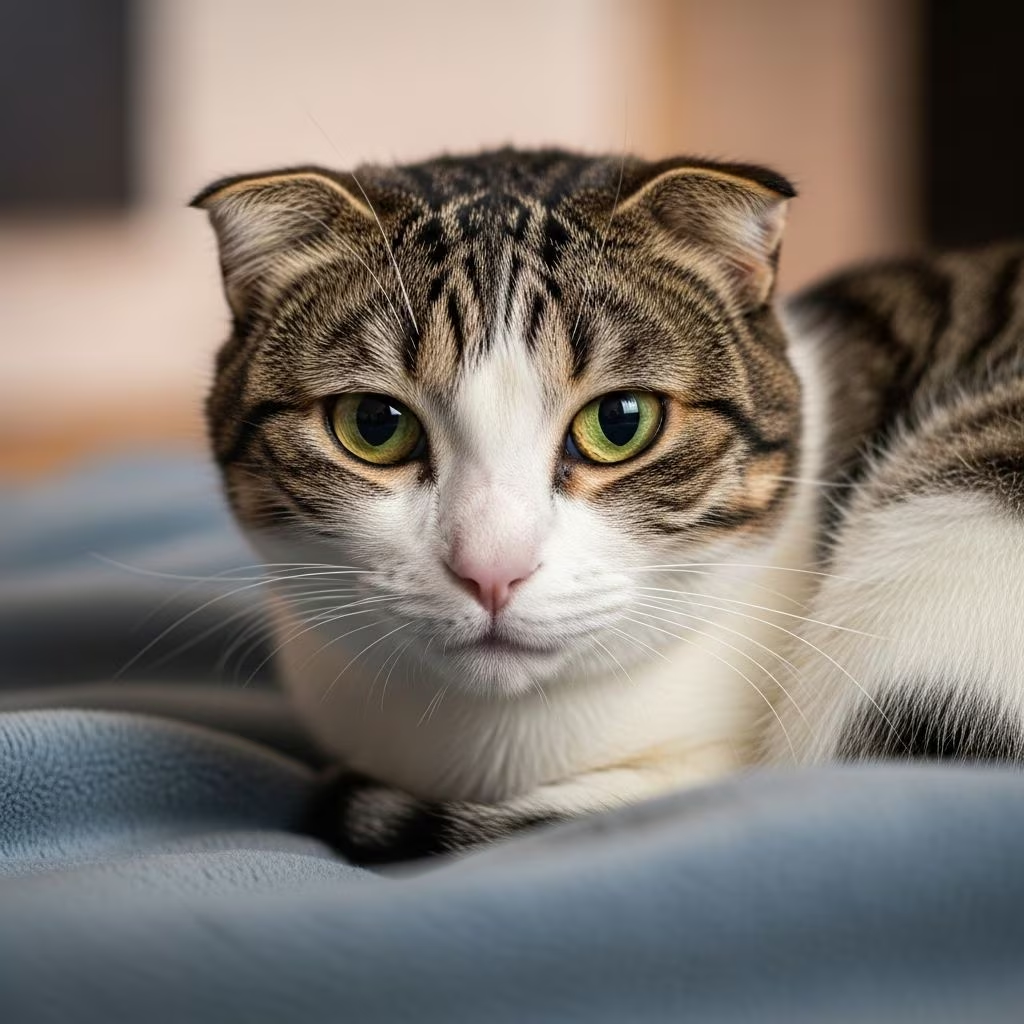
Can Cats Have Panic Attacks? Understanding Feline Anxiety
Many cat owners have witnessed their pets exhibiting sudden, intense fear or anxiety that seems to come out of nowhere. While we often use the phrase “having a panic attack” figuratively to describe sudden shock or surprise, the question of whether cats can actually experience panic attacks deserves a serious answer. The truth is that cats do indeed experience anxiety and panic, ranging from occasional, minor episodes of stress to more severe, chronic forms of anxiety or panic disorder. These emotional states can significantly impact your cat’s quality of life and require proper understanding and management.
Unlike humans, cats cannot verbally communicate their emotional distress, making it challenging for owners to recognize when their feline companions are struggling with anxiety. However, cats display a variety of physical and behavioral signs that indicate they are experiencing panic or acute stress. Understanding these signs is the first step toward providing appropriate care and intervention for your anxious cat.
What Happens During a Cat Panic Attack?
When a cat experiences a panic attack, its body undergoes significant physiological changes as part of the flight-or-fight response. Recognizing these physical manifestations can help you identify when your cat is in distress and needs support.
Physical Manifestations of Panic
During an acute panic episode, cats display several characteristic physical signs:
- Dilated pupils: The cat’s eyes become noticeably larger and more open than normal
- Rapid breathing and heart rate: You may notice your cat breathing quickly or panting heavily
- Elevated body temperature: The cat’s body temperature rises as part of the stress response
- Puffed up fur: The cat’s fur, particularly on the back and tail, stands on end
- Ear position changes: Ears flatten back against the head or position to the sides
- Loss of bodily control: Some cats may vomit, urinate, or defecate during severe panic episodes
These physical responses are automatic and reflect your cat’s nervous system preparing to respond to perceived danger. Even if no real threat exists, the cat’s body reacts as though danger is imminent.
Behavioral Signs of Feline Panic and Anxiety
Beyond physical symptoms, cats exhibit distinct behavioral changes when experiencing panic or anxiety. Understanding these behavioral indicators helps you recognize when your cat is struggling emotionally.
Short-Term Behavioral Responses
In acutely scary situations, cats typically exhibit fight-or-flight behaviors:
- Flight response: Attempting to run away, hiding in safe spaces, or seeking refuge under furniture or in closets
- Fight response: Becoming aggressive, growling, hissing, swatting, or biting at perceived threats
- Vocalization: Excessive meowing or yowling to express distress
- Freezing: Remaining motionless, crouching defensively, or adopting a low body posture
Long-Term Behavioral Changes
When cats experience prolonged stress or chronic anxiety, more persistent behavioral patterns emerge:
- Extended hiding: Spending hours or days in secluded areas, avoiding interaction
- Sleep pattern changes: Sleeping excessively or experiencing disrupted sleep schedules
- Appetite changes: Eating significantly less or more than usual
- Inappropriate elimination: Urinating or defecating outside the litter box
- Grooming abnormalities: Overgrooming (leading to hair loss and bald patches) or neglecting grooming entirely
- Social withdrawal: Avoiding interaction with family members and refusing to play
- Increased vocalization: Excessive meowing in different tones than their normal communication
Common Causes of Anxiety and Panic in Cats
Understanding what triggers your cat’s anxiety is crucial for developing an effective management strategy. Anxiety in cats stems from multiple sources, and often a combination of factors contributes to your cat’s distress.
Environmental Triggers
Cats are sensitive to changes in their surroundings and disruptions to their routines. Common environmental triggers include:
- Loud noises: Thunder, fireworks, vacuum cleaners, construction sounds, and other unexpected loud noises can trigger fear responses
- Environmental changes: Moving to a new home, rearranging furniture, or changes in household layout disrupt the cat’s sense of familiarity and security
- Introduction of new pets or people: Adding another animal to the household or frequent visitors can cause stress for cats who prefer stable, predictable environments
- Changes to routine: Alterations to feeding schedules, playtime, or daily patterns can cause anxiety
- Litter box issues: A dirty litter box, placement in an unfamiliar or exposed location, or a box that’s too small can trigger elimination-related anxiety
Trauma and Past Experiences
Cats possess excellent memories and can develop anxiety based on previous traumatic experiences. If a cat has undergone a stressful incident, such as an animal assault, vehicle accident, or difficult veterinary experience, they may become anxious when encountering similar situations in the future. A cat that had a stressful experience at the veterinary clinic, for example, may become stressed when placed in the carrier, during car rides, or upon arrival at the clinic. Additionally, cats who were not properly socialized as kittens and lacked exposure to diverse people, sounds, smells, and stimuli may develop generalized fearfulness and anxiety.
Health Issues and Medical Conditions
Several health conditions can cause cats to display anxiety-like symptoms or exacerbate existing anxiety. These include:
- Hyperthyroidism: An overactive thyroid gland can cause increased anxiety and nervous behaviors
- Cognitive dysfunction: Age-related cognitive decline can trigger anxiety and disorientation
- Respiratory conditions: Breathing difficulties can cause panic and distress
- Heart conditions: Cardiac issues may manifest as panic-like symptoms
- Urinary tract problems: Conditions like sterile cystitis can cause anxiety and stress
- Digestive problems: Gastrointestinal issues can be associated with anxiety symptoms
- Chronic pain: Arthritis and other painful conditions often cause anxiety, even when cats show no obvious signs of limping or discomfort
Genetic and Behavioral Factors
Some cats may be genetically susceptible to anxiety and panic attacks, meaning certain breed lines or individual cats have a predisposition toward anxiety disorders. Additionally, lack of mental and physical stimulation, particularly in indoor cats, can lead to boredom and resulting anxiety. Separation anxiety is another significant concern, affecting cats who struggle when left alone for extended periods.
Distinguishing Panic Attacks from Medical Emergencies
It’s critical to differentiate between anxiety-related panic attacks and serious medical conditions that require immediate veterinary attention. Some health emergencies can present similarly to panic attacks but require urgent intervention.
Signs of Medical Emergency
The following symptoms indicate a potential medical crisis and require immediate veterinary care:
- Breathing very rapidly or with mouth open as if panting
- Collapse or inability to walk
- Dark red or blue-tinged gums
- Cold extremities such as paws and ears
- Distressed vocalizations accompanied by inability to eat or drink
- Persistent vomiting or diarrhea
Conditions such as heart disease, asthma, respiratory infections, and cancer can produce symptoms resembling panic attacks. Often, gradual signs of illness precede an acute crisis, including weight loss, decreased appetite, lethargy, abnormal breathing patterns, and coughing. If your cat exhibits any of these warning signs, consult a veterinarian immediately to rule out underlying medical conditions.
Managing Anxiety and Panic in Cats
Effective management of feline anxiety requires a multifaceted approach tailored to your individual cat’s needs and the underlying causes of their distress.
Environmental Modifications
Creating a calm, secure environment can significantly reduce anxiety triggers:
- Provide safe spaces where your cat can retreat when feeling anxious, such as a quiet room or cat cave
- Maintain consistent routines for feeding, playtime, and interaction
- Use pheromone diffusers (Feliway) to create a calming effect
- Minimize exposure to loud noises through white noise or soft music
- Ensure litter boxes are clean, appropriately sized, and placed in quiet, accessible locations
- Provide vertical spaces and hiding spots where cats feel secure
Mental and Physical Enrichment
Addressing boredom through appropriate enrichment reduces anxiety:
- Provide interactive toys and puzzle feeders to stimulate mental engagement
- Offer scratching posts and climbing structures
- Engage in regular interactive play sessions
- Rotate toys to maintain novelty and interest
- Consider window perches for environmental observation
Veterinary Treatment Options
When environmental modifications and enrichment prove insufficient, veterinary professionals may recommend:
- Behavioral medication: Anti-anxiety medications prescribed by your veterinarian
- Pheromone products: Synthetic cat pheromones that reduce anxiety
- Dietary supplements: L-theanine, magnesium, or other calming supplements
- Professional behavioral consultation: Working with a certified feline behaviorist
When to Seek Professional Help
Contact your veterinarian if your cat exhibits signs of anxiety that persist beyond a few days or significantly impact their quality of life. Be especially vigilant if anxiety leads to loss of appetite lasting more than a day, as this can quickly become dangerous for cats. Provide your veterinarian with detailed information about when anxiety episodes occur, what triggers them, and how your cat responds.
Frequently Asked Questions
Q: Can cats actually have panic attacks like humans?
A: Yes, cats can experience panic and anxiety that closely resembles panic attacks in humans. However, they express these emotional states through behavioral and physical signs rather than verbal communication. The underlying physiological response—rapid heart rate, quick breathing, and the fight-or-flight response—is similar to human panic attacks.
Q: How can I tell the difference between a panic attack and normal cat behavior?
A: Panic attacks involve sudden, intense changes from your cat’s baseline behavior. Look for combinations of dilated pupils, rapid breathing, puffed fur, and either aggression or extreme fearfulness. If your cat is acting significantly different from their usual self, anxiety may be involved.
Q: Can stress cause long-term health problems in cats?
A: Yes, chronic stress can lead to serious health conditions in cats. Prolonged anxiety can result in hepatic lipidosis (fatty liver disease), urinary tract problems, gastrointestinal issues, and weakened immune function, making cats more susceptible to infections.
Q: Is my cat’s anxiety my fault?
A: Anxiety in cats typically results from a combination of genetic predisposition, past experiences, environmental factors, and sometimes underlying health issues. While environmental triggers may be within your control, anxiety is not a reflection of your care quality. Focus on creating a supportive environment and addressing the underlying causes.
Q: What should I do if my cat has a panic attack?
A: Stay calm and avoid forcing interaction, which may intensify the panic. Create a quiet, safe space where your cat can retreat. Remove identifiable stressors if possible. If panic episodes are frequent or severe, consult your veterinarian to rule out medical conditions and discuss treatment options.
Q: Can medication help my anxious cat?
A: Yes, anti-anxiety medications can be effective when prescribed by a veterinarian. However, medication works best when combined with environmental modifications and enrichment strategies. Your veterinarian can determine if medication is appropriate for your cat’s specific situation.
Q: How long does it take to resolve cat anxiety?
A: Resolution timeline varies depending on the cause and severity of anxiety. Some cats respond quickly to environmental changes, while others with chronic anxiety or trauma-related anxiety may require months of consistent management. Patience and consistency are essential for success.
References
- Can Cats Have Panic Attacks? Effects of Stress, Anxiety in Felines — Kinship. Accessed 2026-01-14. https://www.kinship.com/cat-behavior/can-cats-have-panic-attacks
- Anxiety Disorders in Cats — PetMD. Accessed 2026-01-14. https://www.petmd.com/cat/conditions/behavioral/anxiety-disorders-cats
- Can Cats Have Panic Attacks? How To Spot The Symptoms — Dutch. Accessed 2026-01-14. https://www.dutch.com/blogs/cats/cat-panic-attack-symptoms
- Cat Anxiety: Signs, Symptoms & Treatment — Purina US. Accessed 2026-01-14. https://www.purina.com/articles/cat/health/symptoms/cat-anxiety
- Panic Attacks in Cats: Is It a Real Thing? — PetCareRx. Accessed 2026-01-14. https://www.petcarerx.com/article/panic-attacks-in-cats-is-it-a-real-thing/6782
- Signs and Steps for Cat Anxiety — Banfield Pet Hospital. Accessed 2026-01-14. https://www.banfield.com/Wellness-at-banfield/kitten-anxiety



