

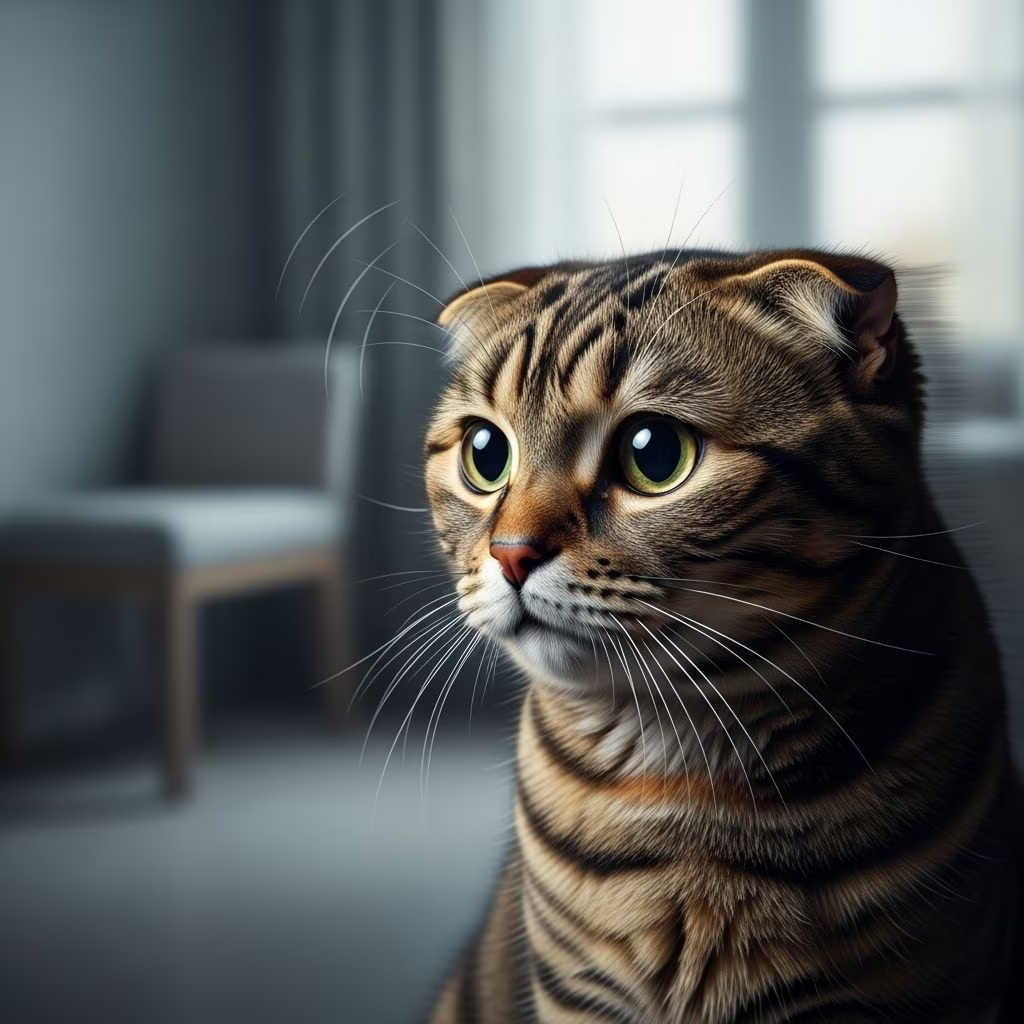
Cats can experience episodes resembling panic attacks, characterized by intense fear responses triggered by stress, anxiety, or underlying health issues. These episodes mimic human panic attacks with physical and behavioral signs like dilated pupils, rapid breathing, and hiding.
While not identical to human panic disorders, feline panic involves the fight-or-flight response, leading to acute distress that can escalate to chronic anxiety if untreated. Recognizing these signs early is crucial for your cat’s well-being.
What Does a Panic Attack Look Like in Cats?
During a cat panic attack, observable changes occur rapidly. The cat’s eyes widen with dilated pupils, breathing and heart rate accelerate, body temperature rises, and fur may puff up along the back and tail. Ears flatten against the head, signaling extreme fear.
Cats may attempt to flee, hide in tight spaces, or lash out aggressively if escape isn’t possible. Some vomit, urinate, or defecate involuntarily due to overwhelming stress. These reactions stem from the sympathetic nervous system’s activation, preparing the body for perceived danger.
Can Cats Have Anxiety?
Yes, cats frequently suffer from anxiety, ranging from mild stress to severe chronic conditions. Anxiety manifests as nervousness when anticipating threats, even if none exist, affecting behavior and physical health.
Chronic anxiety can lead to issues like overgrooming, urinary problems, or recurrent infections. Unlike occasional stress, persistent anxiety disrupts daily life and requires intervention.
Symptoms of Cat Anxiety and Panic Attacks
Symptoms vary but cluster into physical and behavioral categories. Early detection prevents escalation.
Physical Symptoms
- Dilated pupils and wide eyes: Indicates heightened arousal and fear.
- Rapid breathing or panting: Often accompanied by elevated heart rate.
- Trembling or shaking: Body tenses in response to stress.
- Vomiting or diarrhea: Gastrointestinal upset from anxiety.
- Loss of appetite or refusal to eat: Can lead to dangerous conditions like hepatic lipidosis if prolonged.
- Excessive grooming leading to bald patches: Stress-induced overgrooming.
Behavioral Symptoms
- Hiding or avoidance: Cats seek seclusion to feel safe.
- Aggression or reactivity: Hissing, swatting, or biting at perceived threats.
- Excessive vocalization: Meowing, yowling more than usual.
- Inappropriate elimination: Urinating or defecating outside the litter box.
- Pacing or agitation: Restless movement without purpose.
- Destructive behavior: Scratching furniture or excessive chewing.
These signs can mimic serious illnesses, so veterinary evaluation is essential to rule out medical causes.
Causes of Panic Attacks and Anxiety in Cats
Multiple triggers provoke feline panic, from environmental changes to health problems. Identifying the root cause guides effective treatment.
| Cause Category | Examples | Impact |
|---|---|---|
| Environmental Triggers | Loud noises (thunder, fireworks, vacuums), new pets/people, moving homes | Sudden fear response, hiding |
| Trauma/Past Experiences | Vet visits, abuse, accidents | Triggers phobias, avoidance behaviors |
| Health Issues | Pain (arthritis), hyperthyroidism, heart disease, infections | Mimics or exacerbates anxiety |
| Separation Anxiety | Owner absence, routine changes | Excessive meowing, destruction |
| Lack of Stimulation | Boredom in indoor cats | Chronic stress buildup |
Genetics may predispose some cats to anxiety, while poor kitten socialization increases vulnerability. Changes in routine, like back-to-school schedules, also contribute.
How To Tell If Your Cat Is Having a Panic Attack
Differentiate panic from other distress by observing acute onset: sudden pupil dilation, flattened ears, puffed fur, and escape attempts. Unlike gradual illness, panic erupts from a trigger.
Monitor for clusters of symptoms like panting with hiding. If gums appear pale/blue or collapse occurs, treat as emergency—could indicate heart/respiratory crisis. Video episodes for your vet to assess accurately.
Difference Between Stress, Fear, Anxiety, and Panic Attacks in Cats
- Stress: Short-term response to specific pressure, resolves quickly (e.g., vet trip).
- Fear: Immediate reaction to real threat, like a loud noise.
- Anxiety: Anticipatory worry without immediate danger, can be chronic.
- Panic Attack: Intense, sudden episode with physical symptoms, often peaking in minutes.
Stress and fear are adaptive; prolonged anxiety or panic disrupts life.
Treatment for Cat Panic Attacks and Anxiety
Treatment combines veterinary care, environmental management, and behavior modification. Always start with a vet check to exclude medical issues.
Veterinary Interventions
- Medications: Anti-anxiety drugs like fluoxetine for severe cases.
- Pain management: For arthritis or illness contributing to stress.
- Diagnostics: Bloodwork for hyperthyroidism or other conditions.
Home Management Strategies
- Enrich environment: Provide hiding spots, scratching posts, interactive toys.
- Pheromone therapy: Feliway diffusers mimic calming scents.
- Routine consistency: Predictable feeding/play schedules reduce uncertainty.
- Desensitization: Gradual exposure to triggers with positive reinforcement.
- Play therapy: Daily sessions burn energy, boost confidence.
Avoid punishment, which worsens anxiety. Consult professionals for tailored plans.
Prevention Tips for Cat Anxiety
- Socialize kittens early to various stimuli.
- Maintain stable routines; introduce changes gradually.
- Offer vertical spaces and puzzle feeders for mental stimulation.
- Regular vet checkups catch health issues early.
- Use calming aids during known stressors like storms.
Proactive steps foster resilience, minimizing panic risk.
Frequently Asked Questions (FAQs)
What are signs of a panic attack in cats?
Dilated pupils, rapid breathing, hiding, aggression, vomiting, or inappropriate elimination.
Can panic attacks in cats be fatal?
Indirectly yes; untreated anxiety leads to hepatic lipidosis from not eating or worsens heart conditions.
How long do cat panic attacks last?
Typically minutes, but residual anxiety may linger hours or days.
Do all cats get panic attacks?
No, but breeds like Siamese or poorly socialized cats are prone; triggers affect any cat.
Can medication cure cat anxiety?
Medications manage symptoms; combine with behavior therapy for best results.
What if my cat hides a lot—is it a panic attack?
Hiding signals stress; assess with other symptoms and vet visit.
References
- Can Cats Have Panic Attacks? How To Spot The Symptoms — Dutch. 2023. https://www.dutch.com/blogs/cats/cat-panic-attack-symptoms
- Can Cats Have Panic Attacks? Effects of Stress, Anxiety — Kinship. 2023. https://www.kinship.com/cat-behavior/can-cats-have-panic-attacks
- Panic Attacks in Cats: Is It a Real Thing? — PetCareRx. 2023. https://www.petcarerx.com/article/panic-attacks-in-cats-is-it-a-real-thing/6782
- Signs and steps for cat anxiety — Banfield Pet Hospital. 2024. https://www.banfield.com/Wellness-at-banfield/kitten-hub/cat-anxiety
- Cat Anxiety: Signs, Symptoms & Treatment — Purina US. 2024. https://www.purina.com/articles/cat/health/symptoms/cat-anxiety
- Anxiety Disorders in Cats — PetMD. 2024. https://www.petmd.com/cat/conditions/behavioral/anxiety-disorders-cats



