

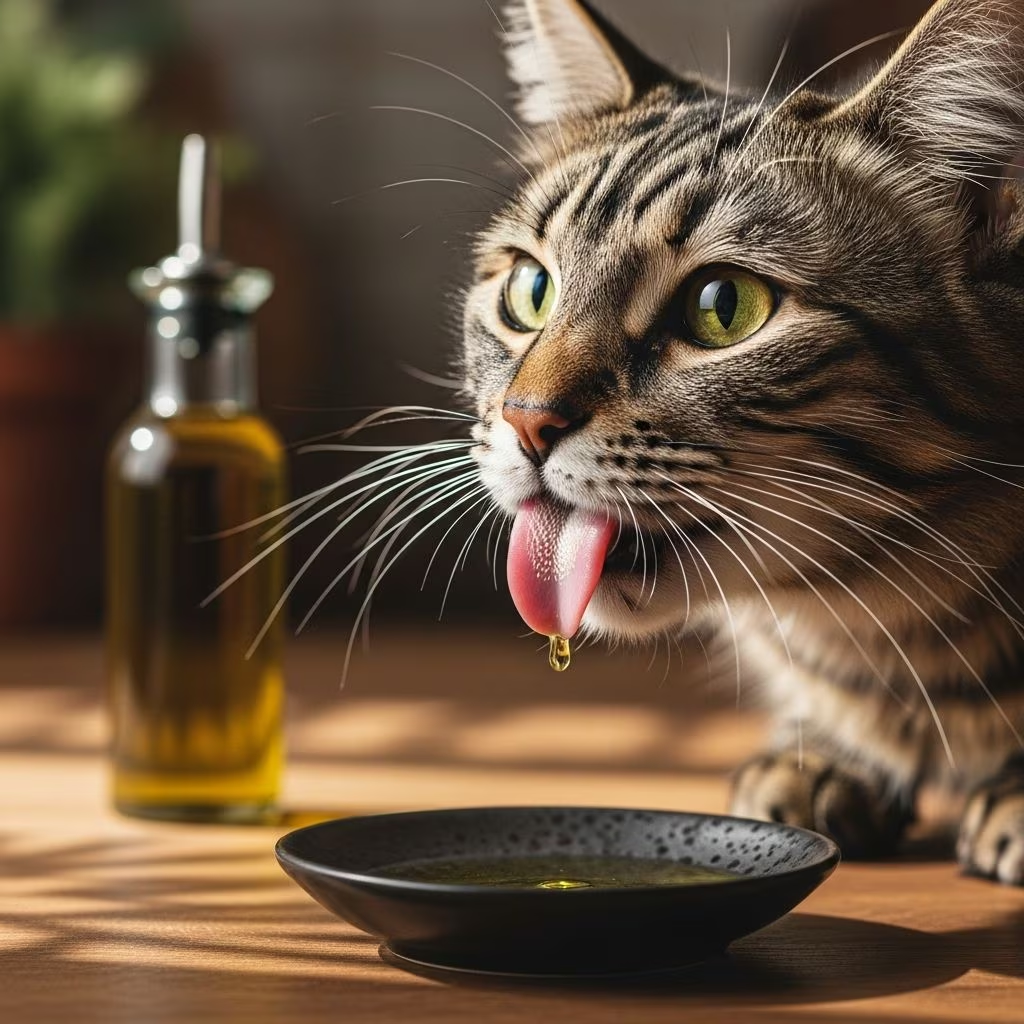
The health benefits of olive oil for humans are well-known, including improved cardiovascular health through lowering LDL cholesterol. Many pet owners treat their cats like family and wonder if they can share this superfood. The short answer: cats can have olive oil in small amounts as it’s not toxic, but it’s not ideal due to its high calorie content and lack of essential proteins for obligate carnivores.
Olive oil offers some fats like monounsaturated fatty acids and vitamins E and K, but a tablespoon packs 124 calories—over 60% of a 10-pound cat’s daily 200-calorie needs—without protein. While not harmful in moderation, with 61% of cats obese, it’s best avoided as a regular treat. This article dives into nutrition, benefits, risks, and safe use.
Nutritional Content of Olive Oil
Olive oil is 100% fat, providing no protein, carbohydrates, or fiber—key for cats as obligate carnivores needing animal-based proteins. A tablespoon (14g) contains:
- 124 calories
- 14g total fat (mostly monounsaturated)
- Vitamin E, vitamin K, and choline in trace amounts
Fat delivers twice the energy of carbs or protein, but cats require about 9% of calories from fat per AAFCO guidelines, already met by quality cat food. Extra olive oil displaces nutrient-dense food, risking imbalances.
The Fat Content of Olive Oil
While monounsaturated fats in olive oil benefit humans, cats don’t process plant fats like animals. A tablespoon’s 14g fat equals 62-69% of daily calories for a 10-pound cat, promoting obesity without nutritional payoff. Studies show overweight cats on tiny olive oil amounts ate less overall than those on saturated fats, but no direct weight loss proof. Commercial foods provide balanced fats, including essential omega-3/6.
Can Cats Have Olive Oil?
Yes, in tiny amounts—not poisonous unless allergic. A quarter teaspoon (1/4 tsp) max daily prevents digestive upset like diarrhea or vomiting from excess fat. Larger doses risk pancreatitis or weight gain. Always consult a vet, especially for kittens, seniors, or health-issue cats.
Benefits of Olive Oil for Cats
Despite caloric density, small doses offer perks:
- Coat and Skin Health: Anti-inflammatory fatty acids, polyphenols, and vitamin E moisturize dry skin, reduce dandruff, and promote shiny fur. Add 1 tsp 2-3x/week.
- Digestion Aid: Lubricates gut, prevents constipation, eases hairballs.
- Topical Uses: Soothes ear mites, matted fur, hairballs when applied externally.
- Palatability: Olive extract up to 150ppm liquid/600ppm dry doesn’t deter eating; potential novel ingredient.
Extra virgin olive oil maximizes antioxidants over refined types. Fish oil often preferred for omega-3s.
Risks and Side Effects of Olive Oil for Cats
Key concerns:
| Risk | Description | Safe Mitigation |
|---|---|---|
| Obesity | High calories (119/tbsp) exceed needs | Limit to 1/4 tsp/day max |
| Digestive Issues | Diarrhea, vomiting from fat overload | Start tiny, monitor |
| Nutrient Imbalance | No protein/omegas; displaces balanced food | Use as supplement only |
| Pancreatitis | Excess fat triggers in prone cats | Vet approval first |
61% obesity rate makes caution essential. Avoid stuffed olives (garlic toxic).
How to Give Cats Olive Oil: Dosage Guide
Recommended Dosage:
- Adult cats: 1/4 tsp (1ml) daily or 1 tsp 2-3x/week, drizzled on food.
- Kittens/Seniors: Vet consult; smaller amounts.
- Topical: Few drops massaged into fur/ears.
Mix into wet food for appeal. Introduce gradually. Stop if loose stools occur.
Alternatives to Olive Oil for Cats
Better options:
- Fish Oil: Omega-3 rich for skin, joints, heart.
- Coconut Oil: Moderate use for MCTs, antimicrobial.
- Commercial Supplements: Vet-formulated with balanced omegas.
- Balanced Cat Food: Meets all needs without extras.
Olives themselves: Tiny pitless amounts 2x/week max; high sodium[10].
Final Thoughts
Olive oil isn’t toxic for cats but offers limited benefits versus high risks like obesity and GI upset. Reserve for occasional coat/digestion aid in vet-approved tiny doses. Prioritize complete cat food providing proteins, fats, and nutrients. Healthy weight keeps cats thriving longer.
Frequently Asked Questions (FAQs)
Q: Is olive oil safe for cats?
A: Yes, in very small amounts; not toxic but high calories make it unsuitable regularly.
Q: How much olive oil can I give my cat?
A: No more than 1/4 tsp daily for adults; consult vet.
Q: Does olive oil help with cat hairballs?
A: Yes, lubricates digestion topically or internally in moderation.
Q: Can olive oil improve my cat’s coat?
A: Small amounts provide fats and vitamin E for shinier fur, less dry skin.
Q: Is extra virgin olive oil better for cats?
A: Yes, retains more antioxidants and polyphenols.
Q: What if my cat eats a lot of olive oil?
A: Watch for vomiting/diarrhea; contact vet if persists.
References
- Olive extract didn’t influence cat food palatability — PetfoodIndustry. 2023-10-12. https://www.petfoodindustry.com/nutrition/research-notes/article/15746677/olive-extract-didnt-influence-cat-food-palatability
- Should Cats Eat Olive Oil? — Olive Oil Professor. 2024-05-15. https://oliveoilprofessor.com/blog/should-cats-eat-olive-oil
- Can Cats Have Olive Oil? Vet-Approved Nutritional Facts & FAQ — Catster. 2025-03-20. https://www.catster.com/nutrition/can-cats-have-olive-oil/
- Can Cats Eat Olives? (& What About Olive Oil?) — Hill’s Pet Nutrition. 2024-11-08. https://www.hillspet.com/cat-care/nutrition-feeding/can-cats-eat-olives-and-olive-oil
- Is Olive Oil Good For Cats — OliveOil.com. 2024-07-22. https://www.oliveoil.com/is-olive-oil-good-for-cats/
- Can Cats Have Olive Oil? — Exau Olive Oil. 2025-01-10. https://exauoliveoil.com/blogs/olive-oil/cats-olive-oil



