

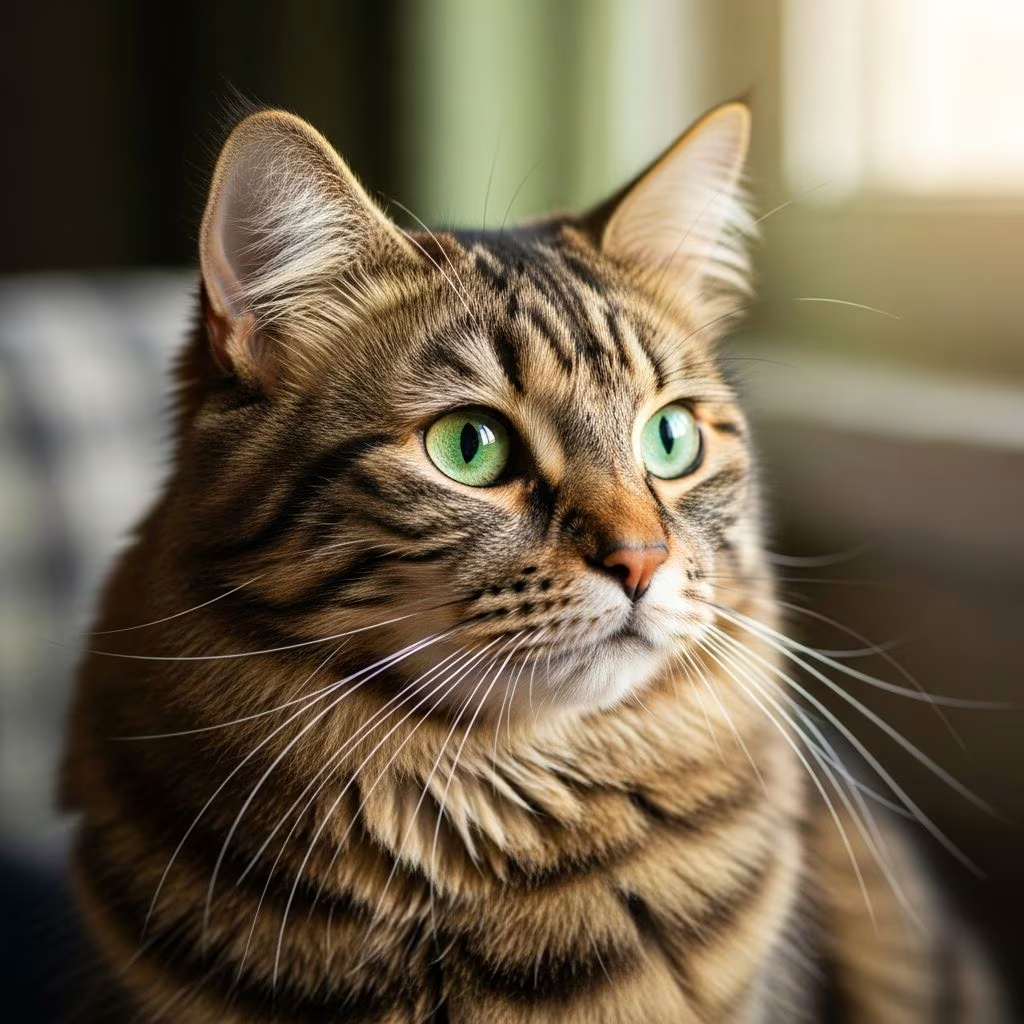
Cats cannot have Down syndrome because it results from trisomy 21, a human-specific genetic condition involving an extra chromosome 21, which cats lack in their 38-chromosome genome. However, cats can exhibit physical and behavioral traits resembling Down syndrome due to congenital defects, infections, toxins, or neurological disorders like cerebellar hypoplasia.
What Is Down Syndrome?
Down syndrome, or trisomy 21, occurs in humans when cells have three copies of chromosome 21 instead of two, leading to intellectual disabilities, characteristic facial features, and health issues like heart defects. This extra chromosome disrupts normal development, causing low muscle tone, developmental delays, and distinct physical traits such as a flat nasal bridge and upward-slanting eyes.
Can Cats Have Down Syndrome?
No, cats cannot have Down syndrome. Feline genetics differ fundamentally; cats have 19 chromosome pairs, and an extra copy equivalent to human chromosome 21 does not occur or produce the same effects. Viral memes and social media photos of “Down syndrome cats” often misattribute normal breed variations (e.g., Persian flat faces) or actual disorders to this impossible condition.
Symptoms of Cats with Down Syndrome-Like Traits
Cats showing traits mistaken for Down syndrome display a mix of physical and behavioral abnormalities. These are not uniform but often include:
- Physical traits: Wide-set or upturned eyes, flat or broad nose, small/unusual ears, shortened facial structure, enlarged/misshapen head, poor muscle tone, low body weight.
- Behavioral/motor traits: Clumsy or wobbly walk, uncoordinated movements, difficulty jumping/balancing, head tremors, developmental delays, learning difficulties, excessive vocalization, repetitive behaviors.
- Health issues: Vision/hearing loss, heart problems, motor dysfunction, difficulty with elimination.
These symptoms vary by underlying cause and are more common in kittens exposed to panleukopenia virus in utero.
What Causes Down Syndrome-Like Symptoms in Cats?
Several factors during fetal development can mimic Down syndrome traits:
- Genetic mutations: Unique feline chromosomal issues, like Klinefelter syndrome (extra X chromosome in males), cause traits but not Down syndrome.
- Congenital defects: Birth defects from malnutrition, trauma, or unknown causes lead to facial/neurological abnormalities.
- Infections: Feline panleukopenia virus (FPV) in pregnant queens damages fetal cerebellum, causing hypoplasia.
- Toxin exposure: Maternal contact with chemicals/toxins alters development.
- Other disorders: Feline dysautonomia, hydrocephalus (fluid buildup in brain).
Brachycephalic breeds like Persians naturally have flat faces, exacerbating misdiagnosis.
Cerebellar Hypoplasia in Cats
Cerebellar hypoplasia (CH), or “wobbly cat syndrome,” is the most common mimic of Down syndrome motor issues. It results from incomplete cerebellum development, typically from FPV infection in utero.
Symptoms of Cerebellar Hypoplasia
- Wobbly, uncoordinated gait; falls when walking/running.
- Difficulty jumping, balancing, or using litter box.
- Mild head tremors (intentional, worsen with movement).
- Normal intelligence and lifespan; cats adapt well.
Treatment and Management for Cerebellar Hypoplasia
CH is non-progressive and incurable but highly manageable:
- Keep indoors to prevent injury.
- Provide rugs/shallow litter boxes for traction; elevate food/water bowls.
- Use baby gates on stairs; create padded play areas.
- Avoid declawing; support with mobility aids if needed.
Affected cats live happily 10-15+ years with care.
Hydrocephalus in Cats
Hydrocephalus involves excess cerebrospinal fluid causing brain pressure, leading to enlarged heads and cognitive issues resembling Down syndrome.
Symptoms
- Domed/misshapen skull.
- Vision loss, seizures, lethargy, confusion.
- Predisposed breeds: Siamese, Persians.
Treatment may include medication or surgery; prognosis varies.
Other Conditions Mimicking Down Syndrome
- Feline dysautonomia: Nerve damage causes poor coordination, dilated pupils.
- Facial/neurological disorders: Trauma or congenital issues lead to asymmetry, delayed reflexes.
- Portosystemic shunts: Liver defects cause stunted growth, odd behaviors.
Diagnosis of Down Syndrome-Like Conditions in Cats
Veterinarians diagnose via:
- Physical exam and history (pregnancy exposure).
- Bloodwork, X-rays, ultrasound, genetic testing.
- Neurological eval, CT/MRI for brain issues.
Seek vet if kitten shows delays, tremors, or odd features vs. littermates.
Treatment and Care for Cats with Similar Conditions
No cure for most, but quality life is possible:
| Condition | Management Tips |
|---|---|
| Cerebellar Hypoplasia | Stable surfaces, low litter boxes, indoor living. |
| Hydrocephalus | Medications to reduce fluid; monitor seizures. |
| Genetic Defects | Symptomatic care, special diets. |
Regular vet checkups ensure heart, vision monitoring.
Living with and Caring for Special Needs Cats
These cats thrive with patience:
- Home adaptations: Ramps, soft bedding, easy-access resources.
- Diet/nutrition: High-quality food; assist feeding if needed.
- Enrichment: Toys for mental stim; gentle play.
- Socialization: Early handling builds confidence.
- Emotional support: Owners report joyful bonds.
Real-Life Stories of Cats with Down Syndrome-Like Traits
Billy the Wobbly Cat, with CH, navigates homes adeptly despite tremors, delighting adopters. Roo, a viral CH kitten, shows how love enables full lives. Persian mixes often mislabeled online succeed with breed-aware care.
Frequently Asked Questions (FAQs)
Can cats have extra chromosomes like humans with Down syndrome?
No, feline chromosomes don’t allow trisomy 21; other aneuploidies like XXY exist but differ.
Is cerebellar hypoplasia painful for cats?
No, it’s not painful; cats adapt and remain playful.
Can special needs kittens be adopted?
Yes, many shelters place them; they make loving pets with adaptations.
How to prevent these conditions?
Vaccinate queens against FPV; avoid toxins during pregnancy.
Do these cats live normal lifespans?
Yes, often 12-18 years with proper care.
References
- Symptoms of Cat Down Syndrome — Odie Pet Insurance. 2023. https://getodie.com/blog/things-to-know-about-cat-down-syndrome/
- Can Cats Have Down Syndrome? — Walkin’ Pets. 2023. https://walkinpets.com/blogs/blog/feline-down-syndrome
- Down Syndrome in Cats: What You Need to Know — Festival Animal Clinic. 2023. https://festivalanimalclinic.com/blog/down-syndrome-in-cats/
- Down Syndrome in Cats: Is It Possible? — Noble Vet Clinic. 2023. https://noblevetclinic.com/blog/down-syndrome-in-cats-is-it-possible
- Can a Cat Have Down Syndrome? — Pewaukee Veterinary Service. 2023. https://pewaukeeveterinaryservice.com/blog/can-a-cat-have-down-syndrome/
- Can Cats Have Down Syndrome? — Hill’s Pet Nutrition. 2023. https://www.hillspet.com/cat-care/healthcare/can-cats-have-down-syndrome



