

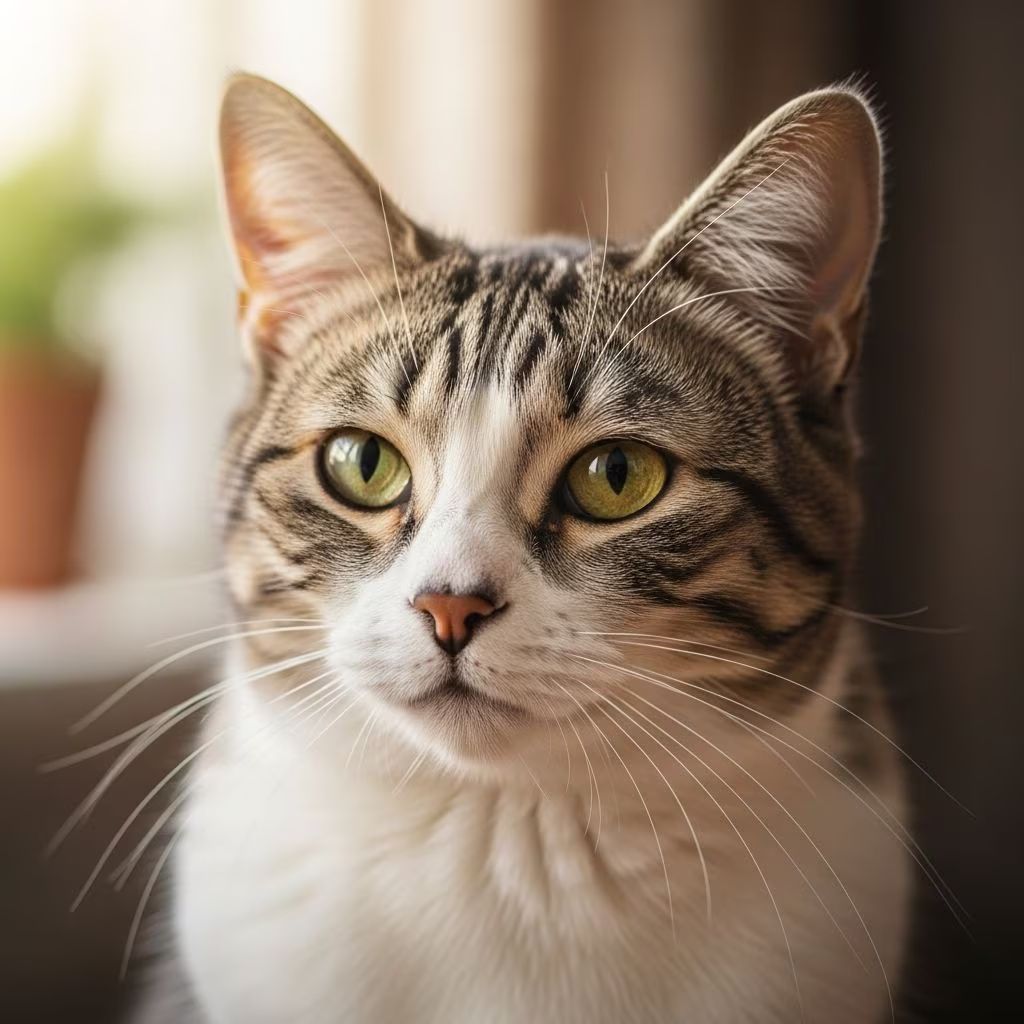
Cats cannot have Down syndrome as it occurs in humans because of fundamental differences in their chromosomal structure and biology. Down syndrome results from an extra copy of chromosome 21 (trisomy 21) in humans, leading to characteristic physical and intellectual challenges. Feline chromosomes number 38, organized differently, making human-style trisomy impossible. However, cats can exhibit traits resembling Down syndrome symptoms—such as flattened faces, widely spaced eyes, poor muscle tone, or developmental delays—due to other genetic anomalies or congenital issues.
Understanding Feline Chromosomes vs. Human Genetics
Cats possess 19 pairs of chromosomes, totaling 38, unlike humans’ 23 pairs. This structural variance prevents the exact replication of trisomy 21. Genetic diseases in cats typically stem from single-gene mutations or breed-specific traits rather than whole-chromosome extras. Research highlights that common feline hereditary conditions arise from ancient mutations predating breed development, affecting purebreds and mixed breeds alike.
These mutations accumulate through selective breeding, popular sires, or genetic drift, not inbreeding alone. For instance, anatomical mismatches in designer breeds can cause dental crowding or joint issues mimicking developmental disorders.
Conditions Mimicking Down Syndrome Traits in Cats
Several genetic disorders produce Down syndrome-like appearances or behaviors in cats, including facial abnormalities, motor skill deficits, and growth delays. Owners often misinterpret these as “special needs” feline Down syndrome.
- Polydactyly: Extra toes, seen in breeds like Maine Coons, result from a dominant gene mutation, unrelated to chromosomes but visually distinctive.
- Folded Ears (Osteochondrodysplasia): Scottish Folds develop folded ears from a cartilage defect, causing progressive arthritis. Homozygous cats suffer severe joint issues early.
- Craniofacial Abnormalities: Some kittens show flattened skulls or wide-set eyes from developmental glitches during gestation.
These traits do not equate to Down syndrome but warrant veterinary evaluation to rule out painful conditions.
Prevalent Genetic Disorders in Cats
Beyond superficial resemblances, cats face numerous hereditary diseases. Understanding these aids early intervention.
Polycystic Kidney Disease (PKD)
PKD, the most common single-gene feline disorder, involves kidney cysts impairing function, potentially leading to failure. Persians and related breeds are highly susceptible, though any cat can inherit it autosomally dominant.
- Symptoms: Increased thirst, weight loss, vomiting.
- Detection: Ultrasound or genetic testing.
Hypertrophic Cardiomyopathy (HCM)
HCM thickens heart muscle, hindering pumping efficiency and risking heart failure or sudden death. Breeds like Maine Coons, Ragdolls, and Sphynx carry specific mutations; genetic screens exist for some.
| Breed | HCM Risk | Testing Availability |
|---|---|---|
| Maine Coon | High | Yes |
| Ragdoll | High | Yes |
| Persian | Moderate | Limited |
| Sphynx | High | Yes |
Progressive Retinal Atrophy (PRA)
PRA degenerates the retina, causing night blindness to total vision loss. Variants affect Persians, Bengals, Abyssinians; multiple genes involved.
Other Notable Conditions
- Pyruvate Kinase Deficiency (PKD): Red blood cell enzyme lack causes anemia, Basenjis and related breeds prone.
- Spinal Muscular Atrophy: Maine Coons show muscle weakness from neuron loss.
- Vitamin K-Dependent Coagulopathy: Devon Rex cats bleed excessively due to clotting factor issues.
Common across breeds: allergies, diabetes, inflammatory bowel disease, per AVMA data on genetic liabilities.
Why Viral Images Fuel Misconceptions
Social media abounds with “Down syndrome cats” photos showing odd features. These often depict kittens with fading congenital anomalies or breeds like Scottish Folds. Such posts anthropomorphize cats, ignoring painful realities like arthritis in folded-ear cats. Ethical breeding discourages extreme traits causing suffering.
Diagnosis and Veterinary Approaches
Suspected genetic issues require comprehensive exams. Vets use:
- Genetic testing for breed-specific mutations (e.g., HCM in Maine Coons).
- Imaging: Ultrasound for PKD, echocardiography for HCM.
- Bloodwork: Detect anemia, kidney function.
- Physical assessment: Joint mobility, vision tests.
Early detection improves quality of life; many conditions lack cures but respond to symptom management.
Caring for Cats with Genetic Anomalies
Owners of cats with Down-like traits or confirmed disorders should prioritize:
- Regular Checkups: Annual heart/kidney screens, especially for at-risk breeds.
- Diet and Environment: Low-stress homes, joint-support foods for mobility issues.
- Genetic Screening for Breeding: Avoid propagating defects.
- Symptom Relief: Pain meds for osteochondrodysplasia, fluids for PKD.
These cats often thrive as loving companions with proper support.
Breeding Practices and Prevention
Selective breeding fixed desirable traits but amplified defects. Strategies include:
- Outcrossing to dilute harmful genes.
- Mandatory genetic tests pre-breeding.
- Breed club standards banning extreme phenotypes, e.g., folded ears.
Responsible fanciers prioritize health over aesthetics.
Frequently Asked Questions (FAQs)
Can cats really have Down syndrome?
No, due to chromosomal differences, but genetic conditions mimic symptoms.
What breeds are prone to genetic issues?
Persians (PKD), Scottish Folds (osteochondrodysplasia), Maine Coons (HCM, SMA).
How do I know if my cat has a genetic disorder?
Observe symptoms like lethargy, poor growth; consult vet for tests.
Is HCM curable?
No, but medications manage symptoms and extend life.
Should I adopt a cat with genetic anomalies?
Yes, with vet guidance; many live happily.
Ethical Considerations for Cat Owners
Promoting healthy cats combats misconceptions. Support rescues, avoid impulse buys from unethical breeders. Educate on genetics to prevent suffering.
References
- Making sense of genetic disease in dogs and cats — AVMA. 2020-11-01. https://www.avma.org/javma-news/2020-11-01/making-sense-genetic-disease-dogs-and-cats
- Common Genetic Conditions in Pedigreed and Household Cats — Optimal Selection. N/A. https://optimal-selection.com/blogs/news/common-genetic-conditions-in-pedigreed-and-household-cats
- Genetic Diseases of Cats — PMC (NCBI). 2024. https://pmc.ncbi.nlm.nih.gov/articles/PMC10829125/
- 9 Fascinating Genetic Anomalies in Cats — PetMD. N/A. https://www.petmd.com/cat/general-health/genetic-anomalies-in-cats
- Inherited disorders in cats — International Cat Care. N/A. https://icatcare.org/articles/inherited-disorders-in-cats



