

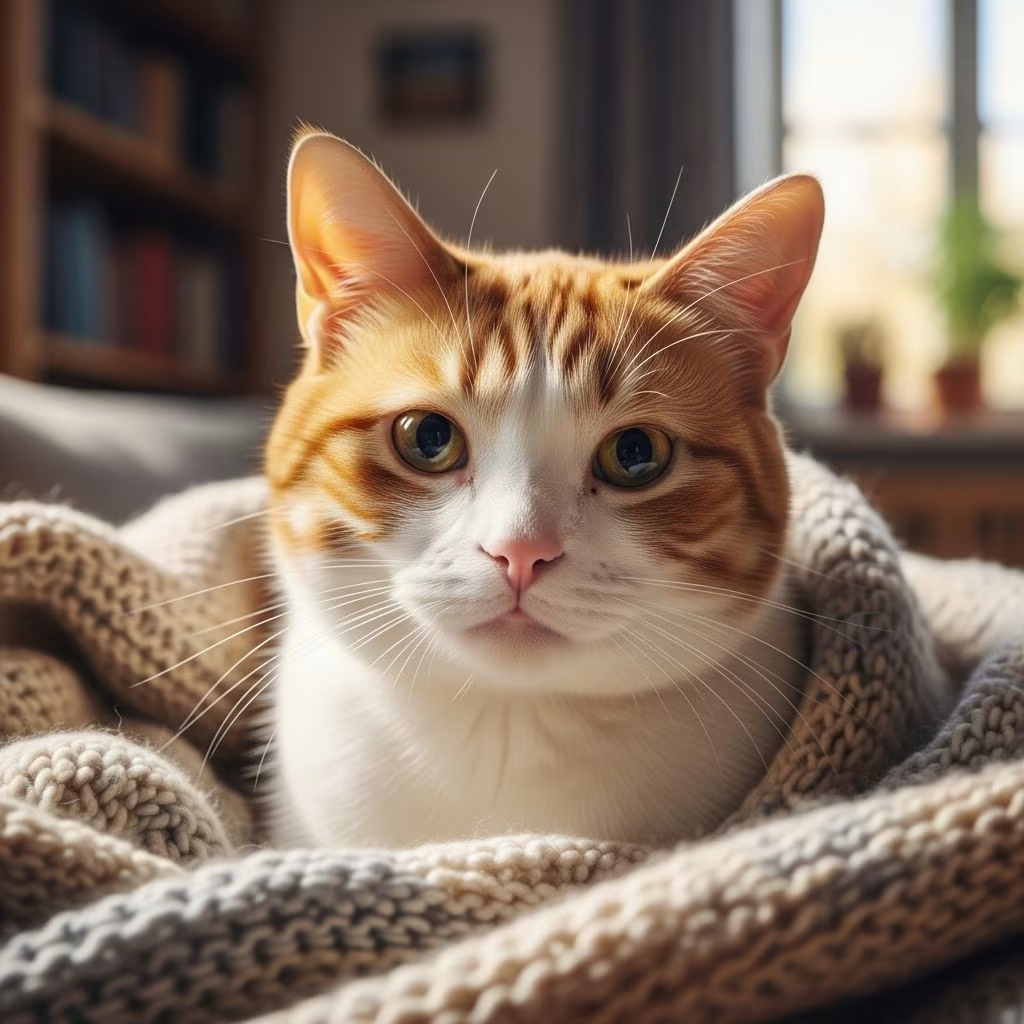
Cats cannot have Down syndrome due to differences in feline genetics, but they can display similar physical and behavioral traits from other conditions like genetic mutations, infections, or congenital defects. These “Down syndrome-like” symptoms often stem from issues during fetal development, such as exposure to the panleukopenia virus or toxins, leading to conditions like cerebellar hypoplasia.
Understanding these distinctions is crucial for cat owners noticing unusual traits in their pets. While human Down syndrome results from an extra chromosome 21, cats’ 38 chromosomes make trisomy 21 impossible, though rare chromosomal abnormalities like Klinefelter syndrome exist. This article explores symptoms, causes, diagnosis, treatment, and care for cats with these traits, helping you provide the best support.
What Is Down Syndrome?
Down syndrome, or trisomy 21, is a genetic condition in humans caused by an extra copy of chromosome 21, affecting about 1 in 700 births. It leads to intellectual disabilities, characteristic facial features like a flat nasal bridge, upward-slanting eyes, and physical issues such as low muscle tone and heart defects.
In cats, no equivalent exists because their karyotype (chromosome set) differs fundamentally from humans. Feline chromosomes number 38 pairs, and extra chromosomes rarely survive to term due to lethal genetic imbalances. Instead, observed similarities arise from unrelated disorders, often mistaken by owners for Down syndrome.
Can Cats Have Down Syndrome?
No, cats cannot have Down syndrome. Veterinary science confirms that the specific trisomy 21 mutation does not occur in felines, as their genetic structure prevents viable embryos with such extras. Social media viral cats labeled as “Down syndrome cats” typically have treatable or manageable conditions like cerebellar hypoplasia or breed-specific traits (e.g., Persians’ flat faces).
Misdiagnosis stems from superficial resemblances, but genetic testing reveals distinct feline issues. Responsible pet ownership involves veterinary consultation rather than assuming human conditions.
Down Syndrome-Like Symptoms in Cats
Cats showing traits resembling Down syndrome often exhibit a mix of physical and behavioral anomalies. These include:
- Flattened or broad nasal bridge: Common in brachycephalic breeds but can indicate congenital defects.
- Wide-set or upturned eyes: May accompany poor vision or misalignment.
- Small or unusually shaped ears: Linked to developmental delays.
- Low muscle tone (hypotonia): Causes soft, floppy appearance and weakness.
- Clumsy or uncoordinated gait: Wobbly walking, difficulty jumping or balancing.
- Developmental delays: Slower learning, motor skills lag behind littermates.
- Difficulty with elimination: Struggles urinating or defecating.
- Sensory issues: Hearing loss, vision impairment, or head tremors.
- Behavioral quirks: Excessive vocalization, confusion, repetitive movements, or reduced social responsiveness.
These symptoms vary by underlying cause and severity. Not all affected cats show every trait; some lead normal lifespans with adaptations.
Conditions That Mimic Down Syndrome in Cats
Several feline-specific disorders produce Down syndrome-like features. Key conditions include:
Cerebellar Hypoplasia (Wobbly Cat Syndrome)
This non-progressive neurological disorder results from underdeveloped cerebellum, often due to in-utero panleukopenia virus infection. Symptoms: intention tremors, wide-based stance, poor coordination, falling over. Affected cats adapt well, living indoors with environmental modifications.
Hydrocephalus (Water on the Brain)
Excess cerebrospinal fluid causes brain pressure, leading to enlarged heads, seizures, vision loss, lethargy, and behavioral changes. Predisposed breeds: Siamese, Persians. Congenital or acquired via infection/trauma.
Feline Dysautonomia (Key-Gaskell Syndrome)
A rare autonomic nervous system disorder causing poor muscle tone, dilated pupils, constipation, and megaesophagus. Often fatal in kittens but survivors need intensive care.
Other Genetic or Congenital Issues
- Congenital hydrocephalus or facial deformities from trauma/toxins.
- Panleukopenia sequelae: Motor dysfunction, cerebellar damage.
- Breed traits: Brachycephalic faces in Persians/Exotics.
| Condition | Key Symptoms | Common Causes |
|---|---|---|
| Cerebellar Hypoplasia | Wobbly gait, tremors, balance issues | Panleukopenia virus in utero |
| Hydrocephalus | Enlarged head, seizures, vision loss | Fluid buildup, genetics |
| Dysautonomia | Low tone, elimination problems | Autonomic nerve damage |
| Genetic Mutations | Facial anomalies, delays | Spontaneous mutations |
Causes of Down Syndrome-Like Traits in Cats
These symptoms arise from disruptions in fetal development:
- Infections: Feline panleukopenia virus crosses the placenta, damaging the cerebellum.
- Toxin Exposure: Maternal contact with chemicals or radiation causes malformations.
- Genetic Mutations: Rare feline chromosomal issues or spontaneous defects.
- Malnutrition/Trauma: Poor prenatal nutrition or birth injuries.
- Congenital Defects: Misshapen skulls, organ issues from unknown womb events.
Unlike human Down syndrome, these are not inherited predictably but preventable via vaccination and prenatal care.
Diagnosis and Veterinary Care
Consult a vet if your kitten shows delays, odd features, or coordination issues compared to littermates. Diagnosis involves:
- Physical/neurological exam.
- Bloodwork, X-rays, CT/MRI for brain structure.
- Genetic testing if chromosomal issues suspected.
- History review: Maternal health, litter observations.
Early intervention improves quality of life; most conditions lack cures but are manageable.
Treatment and Management for Special Needs Cats
No cures exist for most developmental disorders, but supportive care enhances longevity:
- Environment: Indoor-only, non-slip surfaces, baby gates, padded furniture.
- Diet: Elevated bowls, soft food for poor coordination.
- Litter: Low-sided boxes for easy access.
- Therapy: Physical therapy, harnesses for mobility.
- Medications: For seizures, infections, or pain.
- Avoid declawing; provide stable perches.
Many thrive into old age, enjoying play and affection.
Caring for a Cat with Special Needs
Patience and adaptations are key:
- Monitor weight, hygiene; assist grooming if needed.
- Regular vet checkups for secondary issues like obesity or UTIs.
- Enrich environment with toys suiting abilities.
- Socialize gently; they bond deeply despite quirks.
- Join support groups for tips from experienced owners.
These cats prove resilient, often outliving expectations with love.
Frequently Asked Questions (FAQs)
What causes Down syndrome-like symptoms in cats?
Various conditions like cerebellar hypoplasia from panleukopenia, genetic mutations, toxins, or trauma mimic these traits.
Can cats with these symptoms live normal lives?
Yes, with proper management, many lead happy, full lives indoors.
Is cerebellar hypoplasia contagious?
No, but prevent via maternal vaccination.
How do I know if my cat has a serious condition?
See a vet for exams, imaging if symptoms like wobbling or delays appear.
Are certain breeds more prone?
Brachycephalic breeds show facial traits; Siamese/Persians for hydrocephalus.
References
- Symptoms of Cat Down Syndrome — Odie Pet Insurance. 2023. https://getodie.com/blog/things-to-know-about-cat-down-syndrome/
- Can Cats Have Down Syndrome? — Walkin’ Pets. 2023. https://walkinpets.com/blogs/blog/feline-down-syndrome
- Down Syndrome in Cats: What You Need to Know — Festival Animal Clinic. 2023. https://festivalanimalclinic.com/blog/down-syndrome-in-cats/
- Down Syndrome in Cats: Is It Possible? — Noble Vet Clinic. 2023. https://noblevetclinic.com/blog/down-syndrome-in-cats-is-it-possible
- Can a Cat Have Down Syndrome? — Pewaukee Veterinary Service. 2023. https://pewaukeeveterinaryservice.com/blog/can-a-cat-have-down-syndrome/
- Can Cats Have Down Syndrome? — Hill’s Pet Nutrition. 2023. https://www.hillspet.com/cat-care/healthcare/can-cats-have-down-syndrome



