

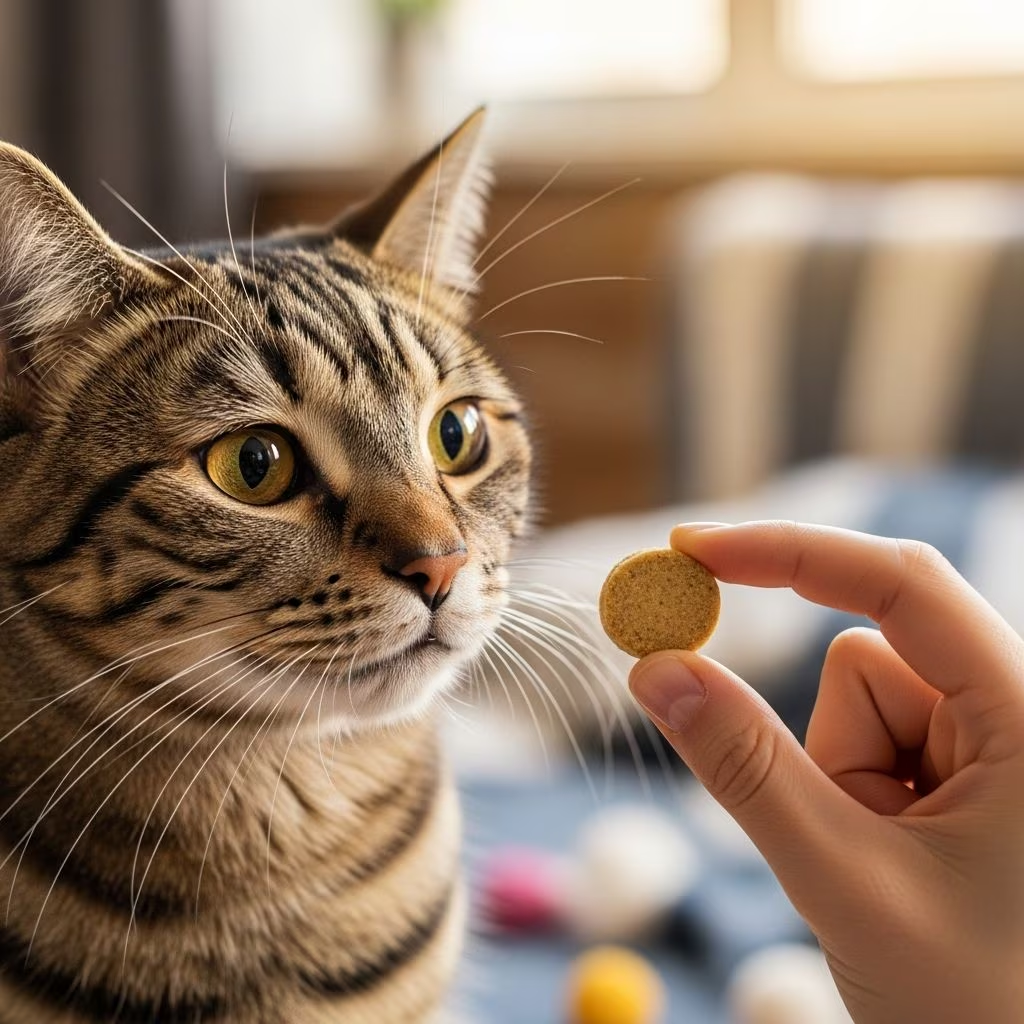
Can Cats Have CBD Treats? A Comprehensive Guide
The answer is possibly yes, although much more research into CBD for felines needs to be conducted. Early evidence suggests that CBD can help cats with joint pain and anxiety, and many pet parents and veterinarians report that it can be used safely in cats. However, the scientific community emphasizes that additional comprehensive studies are necessary to fully understand the effects and long-term safety of CBD administration in feline patients. If you’re considering giving your kitty CBD treats, it’s essential to understand what they are, how they work, and what the current research tells us about their safety and efficacy.
Understanding CBD Treats for Cats
CBD treats come in various forms, mostly as chews that are designed specifically for feline consumption. While you can give cats CBD oil directly, CBD treats may be a better option for many pet owners, especially when introducing CBD to your cat for the first time. These treats combine cannabidiol (CBD)—a compound derived from hemp plants—with other ingredients like flavoring agents and additional beneficial supplements. It’s important to note that the FDA has not approved any hemp-based products for pets, and the lack of regulation means that the amounts of CBD and even THC can vary significantly between different products on the market.
Hemp treats differ from CBD treats in an important way: hemp seed oil is pressed from the seeds of the hemp plant, while CBD oil is derived from the leaves, stalks, and flowers of both cannabis and hemp plants. Although they come from similar plants, the benefit profiles can differ between the two oils, which is likely the case for pets as well. Many treats on the market are made with hemp seed oil rather than true CBD, so it’s crucial to read product labels carefully and understand what you’re actually purchasing.
How Safe Is CBD for Cats?
Safety is perhaps the most important consideration when deciding whether to give your cat CBD treats. There haven’t been many controlled studies conducted specifically on using CBD in felines, but those that have been completed indicate promising results. Research has shown that CBD is useful in cats to control the pain of diseases such as feline chronic gingivitis-stomatitis (FCGS), one of the most painful oral conditions affecting cats. Additionally, studies conducted on canines and anecdotal evidence from veterinarians and cat parents suggest that CBD appears to be safe for animals, including cats.
However, it’s critical to understand that dosing for cats and dogs will be different due to their different speeds of metabolizing the drug. What works perfectly for a dog may not be appropriate for a cat, and individual cats may respond differently to the same dose. For some cats, taking CBD has been observed to cause excessive licking and head shaking, which are important side effects to monitor. Other potential adverse effects reported include lethargy, pacing, drooling, low blood pressure, and vomiting, though these are generally considered minor compared to potential benefits.
If you’re going to give CBD treats to your cat, it’s advisable to speak with a veterinarian first about what dosage would be suitable for your specific pet. Your vet can evaluate your cat’s individual health status, current medications, and medical history to determine whether CBD is appropriate and to recommend a safe starting dose. This is especially important if your cat is already taking medications, as your veterinarian can also inform you of any possible drug interactions that might occur.
What Are the Benefits of CBD for Cats?
Most reported benefits of CBD on felines are currently anecdotal rather than scientifically proven. However, cat parents and veterinarians have consistently reported several potential benefits when administering CBD treats to their cats. These benefits include:
- Easing of inflammatory bowel disease symptoms
- Reduction of anxiety and stress-related behaviors
- Relief from arthritis pain and joint discomfort
- Reduction of seizure frequency and severity
- Improved sleep quality and relaxation
- Enhanced appetite in cats with reduced eating
The theoretical mechanism behind these benefits involves CBD’s interaction with the body’s endocannabinoid system (ECS), which helps regulate many critical functions, including appetite, sleep, mood, pain response, and inflammation. By supplementing your cat’s diet with hemp treats containing CBD, you may potentially provide relief from certain conditions or improve overall well-being. Hemp oil used in cat treats is also a source of omega fatty acids, which have well-documented positive effects on joint and skin health.
Research conducted on canines has indicated that CBD can aid in relieving pain for those with osteoarthritis, and studies on non-felines and humans suggest that CBD can aid in inflammatory conditions, as well as anxiety and nausea. While these findings are encouraging, it’s important to remember that most of the scientific evidence comes from studies on species other than cats, and we need more feline-specific research to make definitive claims about efficacy.
How Can I Give My Cat CBD?
There are several methods available for administering CBD to your cat, and the choice largely depends on your cat’s preferences and your comfort level:
CBD Treats and Chews
You can find several CBD treats on the market, mostly in the form of chews designed to be palatable to cats. These may be best for your kitty, especially if you’re giving your pet CBD for the first time. CBD treats often come in flavors like salmon that appeal to feline taste preferences. The advantage of treats is that they’re easy to administer, portion-controlled, and your cat receives the CBD in a form they may actively enjoy.
CBD Oil and Tinctures
Another option is CBD oil, which can be administered directly or mixed with food. CBD oil is more effective on an empty stomach, so if you choose this method, you might mix it with a small amount of food or tuna juice. Some pet owners add CBD oil directly to cat treats as well. This method allows for more precise dosing adjustments, though it can be messier and some cats may resist the taste of pure CBD oil.
Important Administration Tips
- Always speak with a veterinarian before giving your pet any CBD treats
- Start with the lowest recommended dose and monitor your cat’s response
- Keep detailed notes about timing, dosage, and any observed effects or side effects
- Never use CBD products formulated for humans on your cat
- Ensure the product is specifically formulated for feline use when possible
Choosing Quality CBD Treats for Your Cat
When selecting CBD treats for your cat, quality and safety should be your primary concerns. The unregulated nature of the CBD market means that product quality can vary significantly. Look for treats that are manufactured in the United States, as this typically indicates higher quality control standards. Many reputable manufacturers provide third-party testing results, which verify the actual CBD content and ensure that THC levels are negligible or non-existent.
Consider treats that contain additional beneficial ingredients tailored to your cat’s specific needs. For example, if your cat suffers from anxiety, look for treats containing calming ingredients such as chamomile, valerian root, melatonin, or L-tryptophan. If joint health is your primary concern, select treats formulated with ingredients known to support joint function. Always check that the product is safe for your cat’s age, as some treats are not suitable for kittens under 12 weeks old.
Organic and GMO-free options are also available for pet parents who prefer to feed their cats only natural products. While these may be more expensive, they offer peace of mind regarding ingredient sourcing and processing methods.
Frequently Asked Questions About CBD Treats for Cats
Q: Is CBD the same as THC, and will it make my cat high?
A: No, CBD and THC are different compounds. CBD does not produce the psychoactive effects associated with THC, so it will not make your cat high. Quality CBD treats for cats contain negligible or no THC content.
Q: How long does it take for CBD to work on my cat?
A: The timeline varies depending on the individual cat, the condition being treated, and the specific product used. Some cats may show improvements within days, while others may take weeks to demonstrate noticeable changes. Consistency in administration is important for observing effects.
Q: Can I give my cat CBD treats along with other medications?
A: This is a crucial question to discuss with your veterinarian. Some medications may interact with CBD, so it’s essential to inform your vet about any medications your cat is currently taking before introducing CBD treats.
Q: What should I do if my cat experiences side effects from CBD treats?
A: If you notice excessive lethargy, excessive licking, head shaking, drooling, or other unusual behaviors, discontinue the CBD treats and contact your veterinarian immediately. Your vet can determine whether the side effects are temporary and manageable or if CBD is not appropriate for your cat.
Q: Are there any cats that shouldn’t take CBD treats?
A: Cats with certain liver conditions, those on specific medications, very young kittens, and pregnant or nursing cats should not take CBD without explicit veterinary approval. Always discuss your cat’s complete medical history with your vet.
Q: How do I know if a CBD product is legitimate and safe?
A: Look for products manufactured in the United States, from reputable companies that provide third-party testing results. Read customer reviews, check for clear ingredient lists, and always consult with your veterinarian before purchasing.
Final Thoughts on CBD Treats for Cats
Cats can have CBD treats, as CBD is thought to be safe for felines and to have many potential benefits. CBD may help your kitty with anxiety, sleep, pain, seizures, and more. There might also be a few minor side effects, but for many cats, the benefits may outweigh these risks. The growing interest in CBD for pets reflects pet parents’ desire to explore natural wellness options for their feline companions.
However, it’s crucial to approach CBD administration with caution and proper guidance. The market for CBD products isn’t highly regulated, which means quality and content can vary significantly between brands. Always speak with a veterinarian first about possible medicine interactions and the appropriate dosage for your specific cat. Your vet can help you determine whether CBD is suitable for your cat’s particular health situation and can monitor your cat’s response over time.
As research continues to evolve and our understanding of CBD’s effects on felines improves, we may have more definitive answers about its efficacy and safety. In the meantime, working closely with your veterinarian and making informed decisions based on current evidence and your cat’s individual needs will help ensure the best possible outcomes for your beloved pet.
References
- Can Cats Have CBD Treats? Vet-Verified Safety & Benefits Explained — Catster. 2025. https://www.catster.com/nutrition/can-cats-have-cbd-treats/
- Are There Cat Hemp Treats? Vet-Verified Health & Safety Facts — Catster. 2025. https://www.catster.com/nutrition/are-there-cat-hemp-treats/
- Can CBD Help a Cat With Anxiety? Exploring Alternatives — Catster. 2025. https://www.catster.com/cat-health-care/can-cbd-help-a-cat-with-anxiety/
- How Long Will It Take for CBD to Work on My Cat? Vet-Verified Information — Catster. 2025. https://www.catster.com/cat-health-care/how-long-will-it-take-for-cbd-to-work-on-my-cat/
- What Is the Difference Between Cat & Human CBD Oil? Facts Explained — Catster. 2025. https://www.catster.com/cat-health-care/difference-between-cat-and-human-cbd-oil/



