

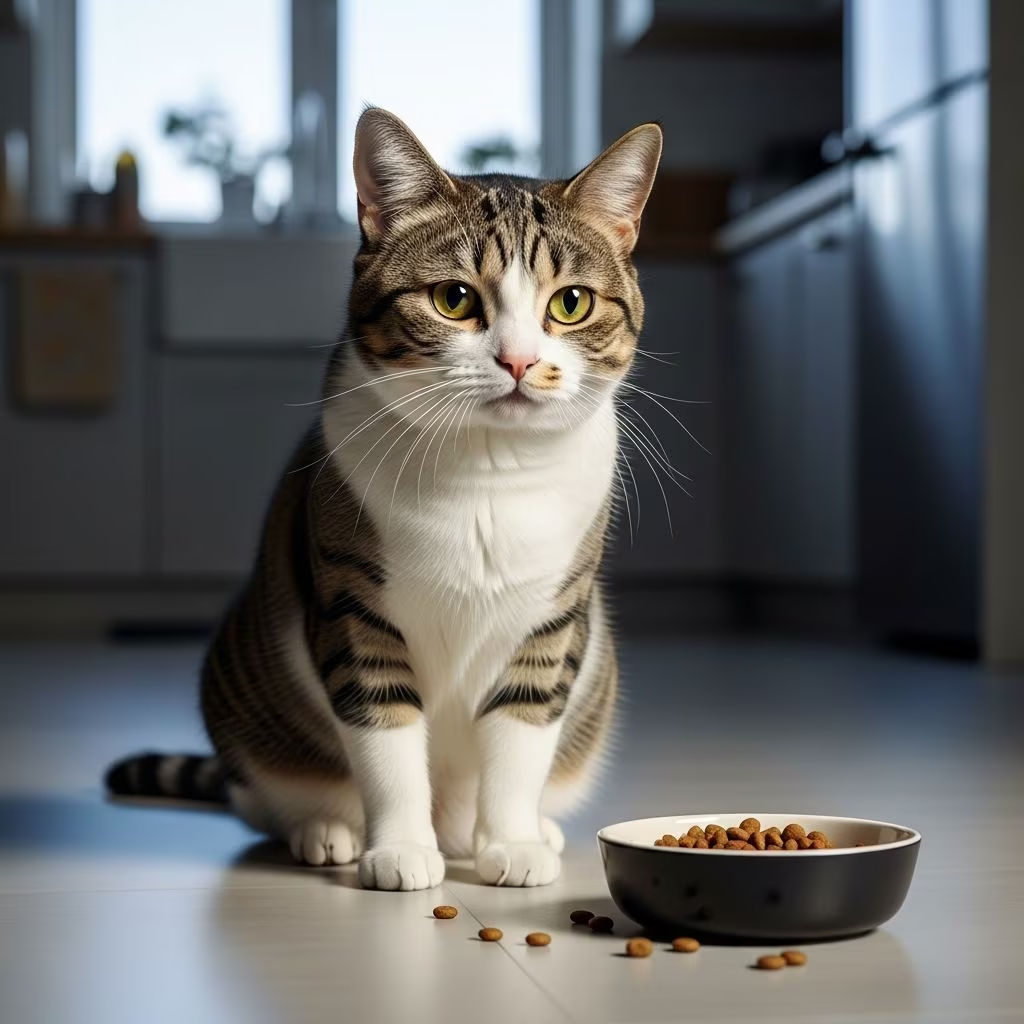
A vomiting cat isn’t exactly a rare phenomenon. Sometimes cats will vomit due to illness, an obstruction, or even just from eating too quickly. But can cats have bulimia? Bulimia nervosa is a human-specific eating disorder characterized by binge eating followed by purging through vomiting, laxatives, or diuretics. This psychological condition involves severe disturbances in thoughts, emotions, and behaviors around food, leading to potentially fatal outcomes if untreated.
In cats, no such psychological eating disorder exists. Cats lack the cognitive complexity for the emotional and behavioral patterns seen in human bulimia. Instead, what owners perceive as ‘bulimic’ behavior—overeating followed by vomiting—is typically a physical response to underlying medical issues, rapid eating habits, or gastrointestinal distress. Veterinary experts emphasize that feline vomiting requires investigation rather than assumption of a behavioral disorder.
Understanding Vomiting vs. Regurgitation in Cats
Cat owners often confuse vomiting with regurgitation, but these are distinct processes with different implications for health. Vomiting is an active, forceful expulsion of stomach contents, often preceded by nausea, retching, and abdominal contractions. It can contain partially digested food, bile, or foam and indicates irritation or disease in the gastrointestinal tract.
Regurgitation, by contrast, is passive. Food or liquid is expelled effortlessly from the esophagus without stomach involvement, appearing as undigested, tubular-shaped masses. This occurs shortly after eating due to esophageal issues or overeating. Misidentifying these can delay proper treatment.
| Aspect | Vomiting | Regurgitation |
|---|---|---|
| Effort | Forceful, with retching | Passive, effortless |
| Appearance | Partially digested, foamy/bilious | Undigested, tubular |
| Timing | Hours after eating | Immediately after |
| Causes | GI disease, toxins, systemic illness | Esophageal disorders, rapid eating |
Common Causes of Vomiting in Cats
There are lots of different reasons why cats vomit, retch, or regurgitate, but bulimia is not one of them. Gastrointestinal upset is the most frequent culprit, manifesting as:
- Acute or chronic inflammation like gastritis or inflammatory bowel disease (IBD)
- Pancreatitis, causing severe nausea and pain
- Intestinal obstructions from foreign bodies, hairballs, or tumors
- Parasites such as worms or protozoa
Systemic diseases contribute significantly. Conditions like kidney disease, diabetes, hyperthyroidism, or liver issues trigger anorexia followed by compensatory overeating attempts, leading to vomiting. Certain medications, including antibiotics (e.g., amoxicillin, cephalexin), NSAIDs, and chemotherapeutics, induce nausea and anorexia.
Environmental factors play a role too. Cats eating too quickly gulp air and food, overwhelming the stomach. Stress from household changes can exacerbate GI sensitivity.
Coughing Up a Hairball
Hairballs are a classic feline issue, especially in long-haired breeds. Cats groom meticulously, ingesting fur that accumulates in the stomach. Periodic expulsion prevents blockages, but frequent hairballs signal problems.
- Not actually coughing: The retching sounds like hacking but originates from esophageal irritation.
- May produce gastric fluid, hair, or a cylindrical hairball.
- Normal every 1-2 months; more often indicates excessive grooming from allergies, fleas, or stress.
Treatment includes hairball remedies, increased brushing, and high-fiber diets to promote passage. Persistent cases warrant vet evaluation for allergies or GI disease.
Other Feline Eating Disorders: Pica and Anorexia
While cats don’t have bulimia, they can exhibit pica—compulsively eating non-food items like wool, plastic, or plants. This isn’t purging but ingestion leading to potential blockages or toxicities. Causes include:
- Nutritional deficiencies (e.g., anemia)
- Medical issues like hyperthyroidism
- Behavioral factors: boredom, stress, early weaning, or breed predispositions (e.g., Siamese)
Anorexia, or refusal to eat, is common and dangerous in cats, rapidly leading to hepatic lipidosis (fatty liver disease). Causes mirror vomiting triggers: pain, nausea, systemic illness, or stress. Unlike human anorexia nervosa, it’s physiological, not psychological.
Treatment for pica involves veterinary diagnostics (bloodwork, imaging), dietary changes (e.g., high-quality or stress-reducing formulas like those with L-tryptophan), environmental enrichment, and anti-anxiety meds if needed. Anorexic cats may require tube feeding to prevent liver failure.
When to See a Vet for Cat Vomiting
Not all vomiting needs immediate care, but vigilance is key. Contact your vet if:
- Vomiting occurs more than once every couple of months
- Blood, unusual color (green, coffee-ground), or large volumes appear
- Accompanied by lethargy, diarrhea, weight loss, or dehydration
- Your cat has licked/eaten potential toxins or blockages
- Kittens, seniors, or those with pre-existing conditions are affected
Take a video of episodes or photos of vomit for diagnosis. Vets may recommend fluids, anti-emetics (e.g., metoclopramide), diagnostics (X-rays, ultrasound, blood tests), or feeding tubes.
Treatment and Management Strategies
Managing feline vomiting targets the root cause while providing supportive care. Hydration via fluids, pain control, and anti-nausea meds restore appetite. Dietary tweaks help: switch to canned food, add water to kibble, or use recovery formulas. Avoid force-feeding to prevent learned food aversion.
For pica, enrich the environment with toys, scratching posts, and play to combat boredom. Medications like fluoxetine address compulsive behaviors. Monitor weight and appetite closely, as cats deteriorate quickly without nutrition.
Frequently Asked Questions (FAQs)
Q: Can cats have eating disorders like bulimia?
A: No, bulimia nervosa is human-specific. Cats vomit due to medical issues, not psychological binge-purge cycles.
Q: How do I tell if my cat is vomiting or regurgitating?
A: Vomiting is forceful with digested food; regurgitation is passive with undigested material shortly after eating.
Q: Are hairballs dangerous for cats?
A: Occasional hairballs are normal, but frequent ones may indicate GI problems or excessive grooming.
Q: What causes pica in cats?
A: Nutritional deficiencies, stress, boredom, medical conditions, or genetics (e.g., Oriental breeds).
Q: How long can a cat go without eating before it’s dangerous?
A: Cats should not go over 24-48 hours without food to avoid hepatic lipidosis.
Q: When should I worry about cat vomiting?
A: If frequent, with blood, lethargy, or in vulnerable cats—see a vet promptly.
This comprehensive guide expands on feline vomiting misconceptions, drawing from veterinary research to empower owners. Early intervention prevents complications like hepatic lipidosis or blockages. Always consult a veterinarian for tailored advice.
References
- Management of Anorexia in the Cat — Biourge V. et al. PMC. 1997 (authoritative on feline anorexia management). https://pmc.ncbi.nlm.nih.gov/articles/PMC10822205/
- Can Cats Suffer From Bulimia? Our Vet Explains — Catster Veterinary Team. 2023. https://www.catster.com/ask-the-vet/can-cats-have-bulimia/
- Pica in Cats: What It Is, Symptoms, and Treatment — PetMD. 2024. https://www.petmd.com/cat/conditions/behavioral/pica-cats
- Anorexia in Cats — VCA Animal Hospitals. 2024. https://vcahospitals.com/know-your-pet/anorexia-in-cats
- Abnormal Eating Habits in Cats — UC Davis School of Veterinary Medicine. 2024. https://healthtopics.vetmed.ucdavis.edu/health-topics/feline/unusual-eating-habits-cats
- Bulimia Nervosa – Symptoms and Causes — Mayo Clinic. 2024. https://www.mayoclinic.org/diseases-conditions/bulimia/symptoms-causes/syc-20353615



