

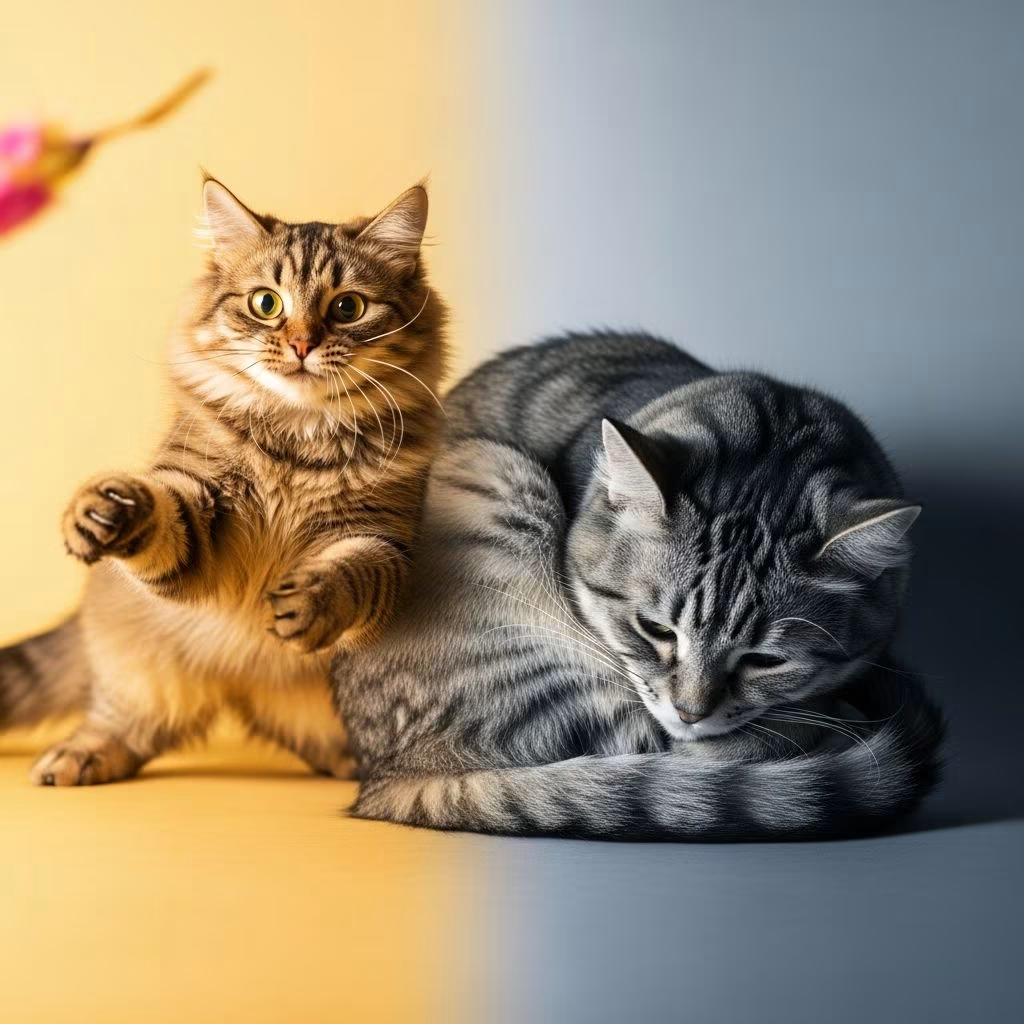
Cats do not have bipolar syndrome, a human mental health condition characterized by extreme mood swings between mania and depression. Instead, behaviors resembling these states in cats are typically caused by underlying medical issues, stress, or normal feline instincts, as explained by veterinary experts.
Cat owners often worry when their pets show sudden changes in energy, appetite, or sociability, leading to questions about conditions like bipolar disorder. This article breaks down what bipolar syndrome is in humans, why it doesn’t apply to cats, common causes of similar behaviors, diagnostic approaches, and practical tips for maintaining your cat’s mental and physical health.
What Is Bipolar Syndrome?
Bipolar syndrome, formerly known as manic-depressive disorder, involves recurring episodes of dramatic mood shifts. These include periods of mania—characterized by high energy, euphoria, irritability, reduced need for sleep, and sometimes risky behavior—alternating with depressive episodes marked by low mood, fatigue, hopelessness, and loss of interest in activities.
There are types such as Bipolar I (with full manic episodes) and Bipolar II (with hypomania and depression). Diagnosis in humans requires ruling out other causes through psychological evaluation, medical history, and observation over time. Treatment typically combines mood-stabilizing medications like lithium, antipsychotics, antidepressants, and psychotherapy.
In humans, these cycles can last days to months and significantly disrupt daily life. Energy levels, sleep, thinking, and behavior are profoundly affected. However, applying this framework to cats is problematic due to differences in brain chemistry, behavior expression, and diagnostic capabilities.
Cats and Bipolar Syndrome
Veterinarians do not recognize bipolar syndrome in cats. Assessing mania or depression in felines is challenging because their behaviors overlap with normal patterns or medical problems.
Cats naturally exhibit wide activity variations: they sleep 12-16 hours daily but burst into ‘zoomies’—high-energy play mimicking hunting instincts. Owners might misinterpret lethargy as depression or zoomies as mania.
Signs That Might Seem Like Depression in Cats
Behavioral changes prompting ‘depression’ concerns include:
- Personality changes, such as becoming unusually withdrawn.
- Not eating or reduced appetite.
- Lethargy or excessive sleeping beyond normal.
- Hiding more than usual.
- Withdrawal from social interactions with people or other pets.
- Decreased grooming, leading to unkempt fur.
- Changes in relationships with household members.
These signs rarely indicate true depression. Instead, they signal underlying health issues.
Common Medical Causes of ‘Depressive’ Behaviors
Veterinary medicine attributes these changes to physical conditions. Key examples include:
- Pain: From injuries, dental disease, or arthritis (even in young cats).
- Infection: Bacterial, viral, or other systemic infections.
- Kidney failure or obstruction: Common in older cats, causing nausea and weakness.
- Foreign body: Swallowed objects blocking digestion.
- Diabetes: Leading to weakness and increased thirst/urination.
- Anemia: Low red blood cell count from various causes.
- Cancer: Tumors affecting energy and appetite.
- Feline cognitive dysfunction (dementia): In senior cats, causing confusion and disinterest.
Treating the root cause often restores normal behavior. For instance, pain management or antibiotics can dramatically improve a cat’s demeanor.
Signs That Might Seem Like Mania or Hyperactivity in Cats
High-energy episodes might appear manic:
- Bursts of frantic activity (zoomies).
- Excessive vocalization.
- Restlessness or inability to settle.
These are often normal but can stem from:
- Anxiety or fear responses.
- Compulsive disorders like over-grooming.
- Pain prompting agitation.
- Stress from environmental changes.
- Allergies, e.g., flea allergy dermatitis causing itchiness.
- Hyperthyroidism: Overactive thyroid increasing metabolism.
- Feline cognitive dysfunction.
- Official hyperactivity diagnoses (rare).
Medical intervention, like thyroid medication, normalizes these behaviors.
Diagnosis of Bipolar Syndrome in Cats
Diagnosing bipolar in cats is not possible because their mood changes do not cycle consistently between prolonged mania and depression as in humans. Feline ‘extremes’ are short-lived and triggered externally or medically.
Vets prioritize ruling out physical causes via bloodwork, urinalysis, imaging, and exams. Only after this might behavioral or neurological issues be considered. Cats lack the biochemical markers or observable cycles for bipolar.
Research shows challenges modeling bipolar in animals. Cats’ behaviors fluctuate due to genetics, early socialization, life experiences, and personality, not inherent brain imbalances.
Studies on pet exposure and human mental health found no strong link between cats and bipolar risk, with trends but no causation.
Other Factors Influencing Cat Behavior
Beyond medical issues, cat moods vary due to:
- Genetics: Breed predispositions to activity levels.
- Socialization: Kittenhood experiences shape adult temperament.
- Life experiences: Trauma or positive events.
- Personality: Individual quirks; no two cats are alike.
- Environment: Changes like new pets, moves, or owner stress can trigger responses. Cats sense human emotions, potentially mirroring anxiety.
Normal feline behavior includes vocalizing, staring, or altered sleep—often not pathological.
How to Improve Your Cat’s Mental Health
Promote well-being through proactive care:
- Calming products: Pheromone diffusers like Feliway mimic soothing scents.
- Environmental enrichment: Rotate toys (prey wands, tunnels), provide catnip, bird-watching windows.
- Attention and play: Daily interactive sessions tailored to your cat’s preferences.
- Mental stimulation: Clicker training, food puzzles, treat balls for foraging instinct.
- Routine vet checkups: Early detection of issues.
- Diet and exercise: Balanced nutrition supports overall health.
These strategies reduce stress and prevent misattributed behaviors.
Frequently Asked Questions (FAQs)
Can cats really have depression?
Cats can show stress or anxiety, but true clinical depression is not diagnosed like in humans. Symptoms usually indicate medical problems.
What if my cat has zoomies at night?
This is normal crepuscular (dawn/dusk) activity. Ensure daytime play to tire them out.
Is hyperactivity a sign of bipolar in cats?
No, it’s often hyperthyroidism, stress, or normal behavior. Vet evaluation is key.
Can my stress affect my cat’s behavior?
Yes, cats are empathetic and may become anxious if you are.
How do I know if it’s medical or behavioral?
Consult a vet for diagnostics; treat underlying issues first.
Conclusion: Focus on Holistic Cat Care
While cats can’t have bipolar syndrome, understanding their behaviors leads to better care. Prioritize veterinary checkups, enrichment, and a stable environment for a happy, healthy feline companion.
(Word count: 1624)
References
- Can Cats Have Bipolar Syndrome? Our Vet Explains — Catster (Dr. Rachel Ellison, DVM). 2023. https://www.catster.com/ask-the-vet/can-cats-have-bipolar-syndrome/
- Living With a Bipolar Cat: Crazy Kitties & How They Got That Way — PrettyLitter. 2023. https://www.prettylitter.com/blog/are-you-living-with-a-bipolar-cat
- Exposure to household pet cats and dogs in childhood and risk of schizophrenia or bipolar disorder — PMC (Peer-reviewed). 2019-11-25. https://pmc.ncbi.nlm.nih.gov/articles/PMC6886852/
- Bipolar disorder in a cat? — PetPlace. Accessed 2023. https://www.petplace.com/article/cats/vet-qa-parent/vet-qa/bipolar-disorder-in-a-cat



