

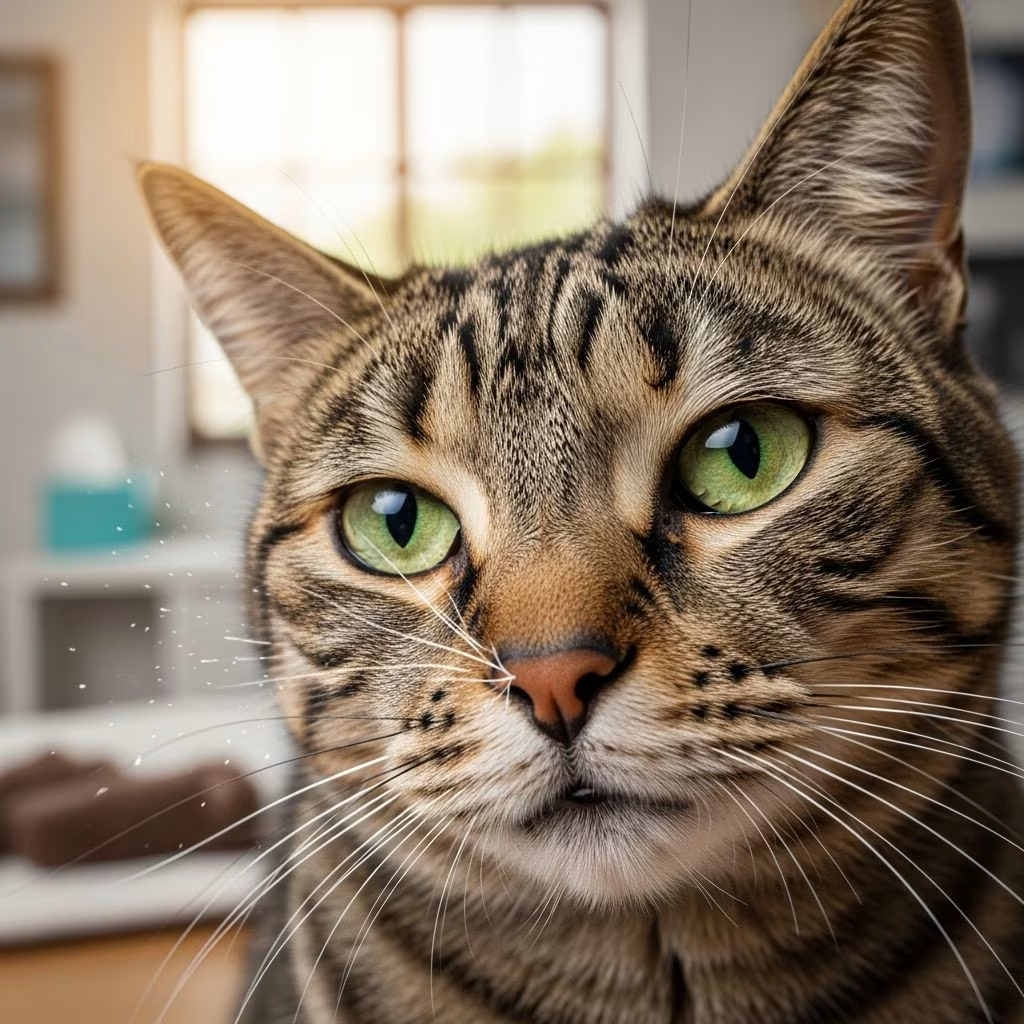
Yes, cats can develop allergies, which manifest as itchy skin, respiratory issues, gastrointestinal upset, or other symptoms triggered by environmental factors, fleas, food, or contact allergens. These conditions, often classified as atopic dermatitis or flea allergy dermatitis, require prompt veterinary attention to prevent secondary infections and improve quality of life.
What Are Cat Allergies?
Cat allergies occur when a cat’s immune system overreacts to harmless substances called allergens, releasing histamines that cause inflammation and discomfort. Common types include flea allergy dermatitis (FAD), where even a single flea bite triggers intense itching; food allergies to proteins like beef, dairy, or chicken; and environmental allergies (atopy) from pollen, dust mites, mold, or grass.
In flea allergy dermatitis, cats react hypersensitively to flea saliva, leading to severe pruritus (itching) primarily on the back, base of tail, and hindquarters. Food allergies often present year-round with skin or digestive symptoms, while environmental allergies may be seasonal.
Types of Allergies in Cats
- Flea Allergy Dermatitis: The most common allergy in cats, caused by hypersensitivity to flea saliva. Symptoms worsen with minimal flea exposure.
- Food Allergies: Triggered by dietary proteins such as beef, fish, dairy, or grains, leading to chronic itching, vomiting, or diarrhea.
- Environmental Allergies (Atopy): Reactions to pollen, dust mites, molds, or household irritants like cleaning products, causing skin inflammation and respiratory signs.
- Contact Allergies: Rare, from direct skin contact with allergens like certain plastics, fabrics, or flea preventives.
Symptoms of Allergies in Cats
Allergic cats often exhibit intense itching, leading to over-grooming, hair loss, scabs, and red inflamed skin, particularly on the head, neck, ears, and paws. Other signs include:
- Respiratory issues: sneezing, coughing, wheezing, or asthma-like symptoms.
- Gastrointestinal problems: vomiting, diarrhea, especially in food allergies.
- Ear infections, watery eyes, swollen paws, or snoring from throat inflammation.
- In severe cases, anaphylaxis with facial swelling or difficulty breathing (rare).
Symptoms can mimic other conditions like mange or ringworm, necessitating veterinary diagnosis.
Causes of Allergies in Cats
Allergens enter via skin contact, inhalation, ingestion, or bites. Flea saliva proteins provoke FAD; food proteins cause IgE-mediated responses; airborne particles like Fel d 1 (though more relevant to human cat allergies) or pollen trigger atopy. Genetics play a role, with some breeds like Siamese more prone.
| Allergy Type | Common Triggers | Primary Symptoms |
|---|---|---|
| Flea | Flea saliva | Itching at tail base, hair loss |
| Food | Beef, dairy, chicken | Chronic itching, GI upset |
| Environmental | Pollen, dust, mold | Seasonal itching, sneezing |
How Are Cat Allergies Diagnosed?
Veterinarians start with a history and physical exam, ruling out fleas via thorough checks. For food allergies, a hypoallergenic diet trial (8-12 weeks) eliminates suspects. Skin scrapings, cytology, or biopsies exclude infections/parasites. Intradermal testing or serum IgE blood tests identify environmental allergens, though not always definitive in cats.
For atopy, allergy testing matches seasonal symptoms to regional allergens.
Treatment for Cat Allergies
Treatment combines allergen avoidance, symptom relief, and targeted therapies. Key approaches include:
- Avoidance: Strict flea control (topicals like fipronil), hypoallergenic diets, dust-free litter, regular bathing, and home cleaning.
- Medications: Corticosteroids (prednisolone) for rapid itch relief; antihistamines (diphenhydramine, cetirizine); cyclosporine (Atopica) for chronic atopy; antibiotics for secondary infections.
- Immunotherapy: Custom allergy shots or sublingual drops based on testing, reprogramming the immune response over months.
- Supportive Care: Medicated shampoos, omega-3 supplements, probiotics.
For acute flares, injectable steroids provide quick relief; long-term, low-dose oral meds or immunosuppressants manage chronic cases.
How Can I Prevent Allergies in My Cat?
Prevention focuses on minimizing exposure: year-round flea preventives, novel protein diets if prone, HEPA filters, weekly bedding washes, and hypoallergenic environments. Early socialization and vet check-ups catch issues early.
When to See a Vet for Cat Allergies
Consult a vet if itching persists >2 weeks, hair loss, open sores, or behavioral changes occur. Untreated allergies lead to infections, self-trauma, or chronic pain.
FAQs
Can cats have allergies to food?
Yes, food allergies in cats commonly involve proteins like beef or dairy, causing year-round itching or digestive issues. A vet-supervised elimination diet confirms and resolves it.
Do cats get seasonal allergies?
Yes, environmental allergens like pollen cause seasonal atopic dermatitis with itching and sneezing.
What is the best flea prevention for allergic cats?
Vet-approved topicals or orals like selamectin prevent flea bites effectively in sensitive cats.
Are antihistamines safe for cats?
Yes, vet-dosed Benadryl or Zyrtec can relieve mild allergies, but consult first to avoid overdose.
Can allergy shots cure my cat’s allergies?
Allergy shots manage severe atopy long-term by desensitizing, with 60-80% success, but not a cure.
Conclusion
Managing cat allergies involves accurate diagnosis, multimodal treatment, and owner diligence for lasting relief. With veterinary guidance, allergic cats thrive itch-free.
References
- Allergies in Cats — VCA Animal Hospitals. 2023. https://vcahospitals.com/know-your-pet/allergies-in-cats
- Cat Allergies: Symptoms, Causes, Treatments, Diagnosis — WebMD. 2023. https://www.webmd.com/pets/cats/cat-allergy-symptoms-triggers
- What Can I Give My Cat for Allergies? — Montecito Pet Hospital. 2022-04-30. https://www.montecitopethospital.com/site/blog/2022/04/30/cat-allergies
- Cat Allergies: Types and Symptoms — PetMD. 2023. https://www.petmd.com/cat/conditions/systemic/allergies-cats
- Allergies of Cats – Cat Owners — Merck Veterinary Manual. 2023. https://www.merckvetmanual.com/cat-owners/skin-disorders-of-cats/allergies-of-cats
- Pets, Dog and Cat Allergies — ACAAI Public Website. 2023. https://acaai.org/allergies/allergic-conditions/pet-allergies/



