

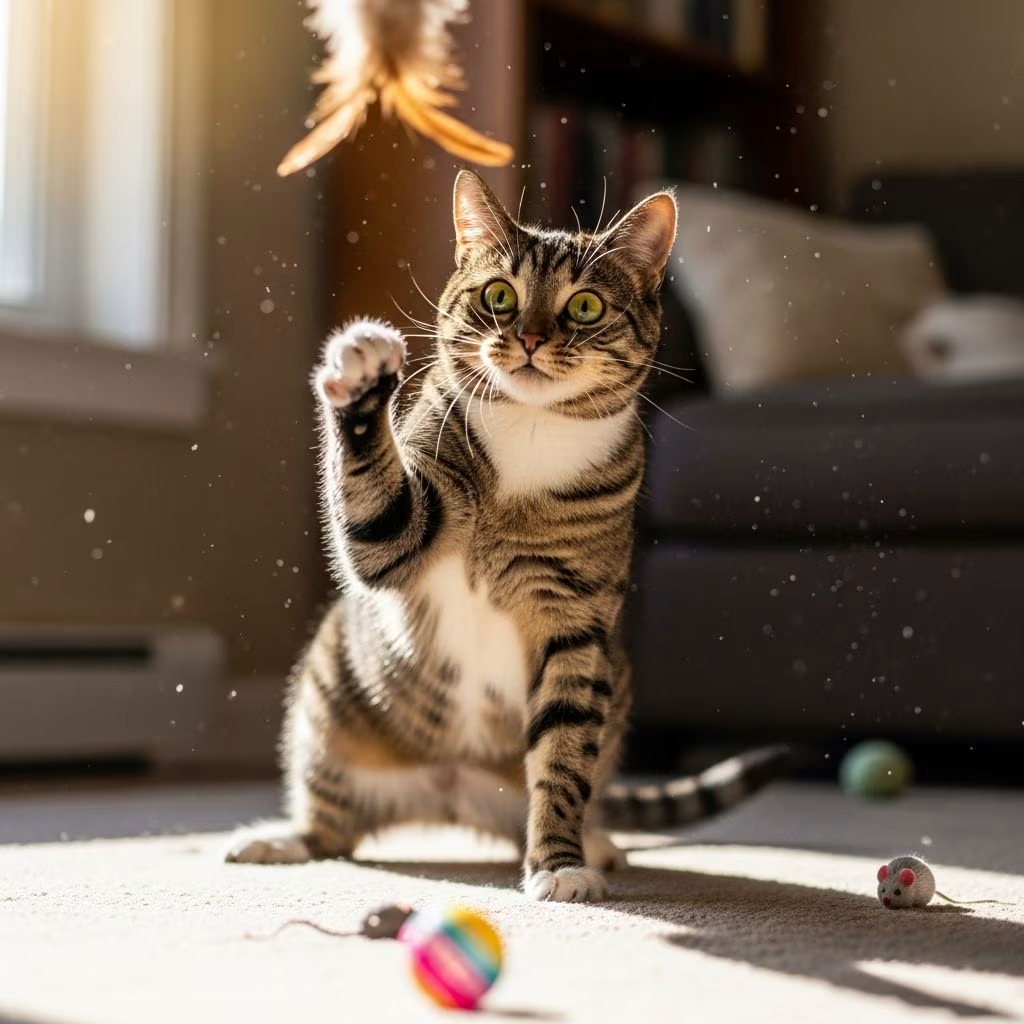
Cats are known for their bursts of energy, sudden zoomies, and playful antics that can sometimes resemble human ADHD symptoms. But can cats actually have ADHD? The veterinary consensus is clear: ADHD is not a recognized condition in cats. There is no clinical evidence or diagnostic criteria for attention-deficit/hyperactivity disorder (ADHD) in felines, as confirmed by multiple veterinary sources. However, many cats exhibit behaviors like hyperactivity, impulsivity, and distractibility that mimic ADHD traits in humans. These may stem from normal feline instincts, age-related playfulness, or underlying health issues rather than a neurodevelopmental disorder.
This comprehensive guide mirrors the structure of expert discussions on feline behavior, diving into the science, signs, potential causes, management strategies, and frequently asked questions. Understanding these behaviors helps cat owners differentiate between normal play and concerns warranting veterinary attention, ensuring happier, healthier pets.
What Is ADHD in Humans?
ADHD, or attention-deficit/hyperactivity disorder, is a neurodevelopmental condition primarily diagnosed in humans, affecting approximately 5-7% of children and 2-5% of adults worldwide. It is characterized by persistent patterns of inattention, hyperactivity, and impulsivity that interfere with daily functioning. Core symptoms include:
- Inattention: Difficulty sustaining focus, frequent careless mistakes, forgetfulness, and easily being distracted.
- Hyperactivity: Excessive fidgeting, inability to stay seated, running or climbing inappropriately, and feeling restless.
- Impulsivity: Blurting out answers, difficulty waiting turns, interrupting others, and engaging in risky behaviors without forethought.
Diagnosis in humans relies on behavioral assessments, ruling out other conditions, and often involves brain imaging or genetic studies showing differences in dopamine regulation and prefrontal cortex activity. While ADHD is human-specific, its traits spark curiosity about parallels in pets.
Can Cats Have ADHD?
No, cats cannot have ADHD as it is not a diagnosed condition in veterinary medicine. Veterinary neurologists and behaviorists agree there are no documented cases, diagnostic tests, or official criteria for ADHD in cats. Behaviors resembling ADHD—such as sudden energy bursts or short attention spans—are often normal cat traits evolved from their hunting instincts. Kittens, in particular, display high energy as part of development, which typically mellows with age.
That said, the debate persists among pet owners and some online communities. Limited research explores ADHD-like traits in animals, primarily dogs, as potential models for human studies (e.g., impulsivity in certain breeds). For cats, no such robust evidence exists. Experts emphasize that what appears as ‘ADHD’ is usually:
- Normal play and predatory behavior.
- Responses to boredom, stress, or environmental changes.
- Symptoms of medical issues like hyperthyroidism or pain.
Without scientific backing, labeling cats with ADHD risks misdiagnosis. Instead, observe patterns and consult a vet to rule out treatable causes.
Signs of ADHD-Like Behavior in Cats
While not diagnostic of ADHD, certain persistent behaviors may concern owners. Watch for these common signs of hyperactive or impulsive feline behavior:
- Hyperactivity/Zoomies: Uncontrollable running, leaping, or ‘crazy’ episodes lasting minutes to hours, often at night.
- Short Attention Span: Rapidly abandoning toys or activities, unable to focus on one task.
- Impulsivity: Knocking objects off surfaces, pouncing without warning, or ignoring boundaries.
- Distractibility: Easily startled or diverted, poor response to training or calls.
- Mood Swings/Poor Social Skills: Sudden aggression, excessive vocalization, or avoidance of interaction.
These traits are common in young cats under 2 years but should subside. If they intensify or persist into adulthood, they could indicate stress, anxiety, or health problems rather than a disorder. Track frequency, triggers, and duration in a journal for vet discussions.
Other Causes of ADHD-Like Symptoms in Cats
Hyperactivity mimicking ADHD often has root causes beyond personality. Common culprits include:
| Category | Possible Causes | Symptoms Overlap |
|---|---|---|
| Medical | Hyperthyroidism, pain (e.g., arthritis), neurological issues, allergies, or parasites. | Restlessness, vocalizing, appetite changes. |
| Environmental | Boredom, lack of stimulation, multi-cat stress, recent moves. | Zoomies, destructive behavior. |
| Age/Development | Kitten phase (under 18 months), senior cognitive decline. | High energy, confusion. |
| Nutritional/Behavioral | High-sugar diet, insufficient play, anxiety disorders. | Impulsivity, poor focus. |
Hyperthyroidism, affecting 10% of cats over 10 years, causes restlessness and weight loss, closely mimicking hyperactivity. Always prioritize vet exams including bloodwork to exclude these before assuming behavioral issues.
When to See a Vet
Consult a veterinarian if ADHD-like behaviors:
- Start suddenly in adult cats.
- Accompany weight loss, vomiting, lethargy, or litter box issues.
- Persist despite environmental enrichments.
- Lead to injury or household destruction.
A full checkup may include thyroid tests, urinalysis, or behaviorist referral. Early intervention prevents escalation.
How to Manage Hyperactive Cats
Even without ADHD, managing high-energy cats improves quality of life. Strategies include:
- Interactive Play: 15-30 minutes daily with wand toys, lasers, or chase games to mimic hunting and tire them out.
- Environmental Enrichment: Cat trees, scratching posts, window perches, puzzle feeders to combat boredom.
- Routine: Consistent feeding, play, and bedtime schedules reduce anxiety.
- Diet Adjustments: High-protein, low-carb food; avoid caffeine or sugary treats.
- Calming Aids: Pheromone diffusers (Feliway), CBD treats (vet-approved), or anxiety meds if prescribed.
- Training: Positive reinforcement for calm behaviors using clickers.
For severe cases, a certified animal behaviorist can create tailored plans. Multi-cat homes benefit from separate resources to minimize stress.
ADHD Medications for Cats?
Veterinarians do not prescribe ADHD medications like Adderall or Ritalin for cats, as they are untested, unsafe, and ineffective for felines. These drugs target human dopamine pathways not analogous in cats. Misuse can cause toxicity, seizures, or heart issues. Stick to vet-recommended options like anti-anxiety meds (e.g., fluoxetine) only if diagnosed with true anxiety.
Can Cats Outgrow Hyperactivity?
Yes, most kittens ‘outgrow’ peak hyperactivity by 2-3 years as they mature. Breeds like Bengals or Abyssinians retain playfulness longer due to genetics. Provide outlets during this phase to prevent bad habits.
Frequently Asked Questions (FAQs)
Is there scientific proof cats can have ADHD?
No, there is no clinical evidence or veterinary recognition of ADHD in cats. Behaviors are typically normal or due to other causes.
What breeds are most hyperactive?
High-energy breeds like Bengal, Savannah, and Oriental Shorthair often show ADHD-like traits due to their active natures.
Can diet cause hyperactivity in cats?
Yes, poor nutrition or allergens can contribute. Switch to vet-formulated foods for balanced energy.
Is my cat’s nighttime zoomies a sign of ADHD?
Likely normal crepuscular (dawn/dusk) activity. Increase daytime play to redirect energy.
Should I medicate my hyper cat myself?
Never. Always consult a vet first to avoid harm.
This 1678-word article equips cat owners with evidence-based insights to address hyperactivity effectively, promoting better pet-human bonds.
References
- Can Cats Have ADHD? Our Vet Explains Feline Behavior — Catster. 2023. https://www.catster.com/ask-the-vet/can-cats-have-adhd/
- Can Cats Have ADHD? Signs to Watch Out For — All Star ABA. 2024. https://www.allstaraba.org/blog/can-cats-have-adhd
- Can Cats Have ADHD? 6 Signs To Watch Out For — Cats.com. 2024. https://cats.com/can-cats-have-adhd
- Can Cats and Dogs Have Autism and ADHD? — Sachs Center. 2024-05-15. https://sachscenter.com/can-cats-dogs-have-autism-adhd/
- New Research to Investigate Impact of Pets on Social Functioning — HABRI (Human-Animal Bond Research Institute). 2021-11-01. https://habri.org/pressroom/20211101/
- Can CATS Have ADHD? Vet explains — YouTube (Veterinary Transcript). 2023. https://www.youtube.com/watch?v=uyid-zqiO84



