

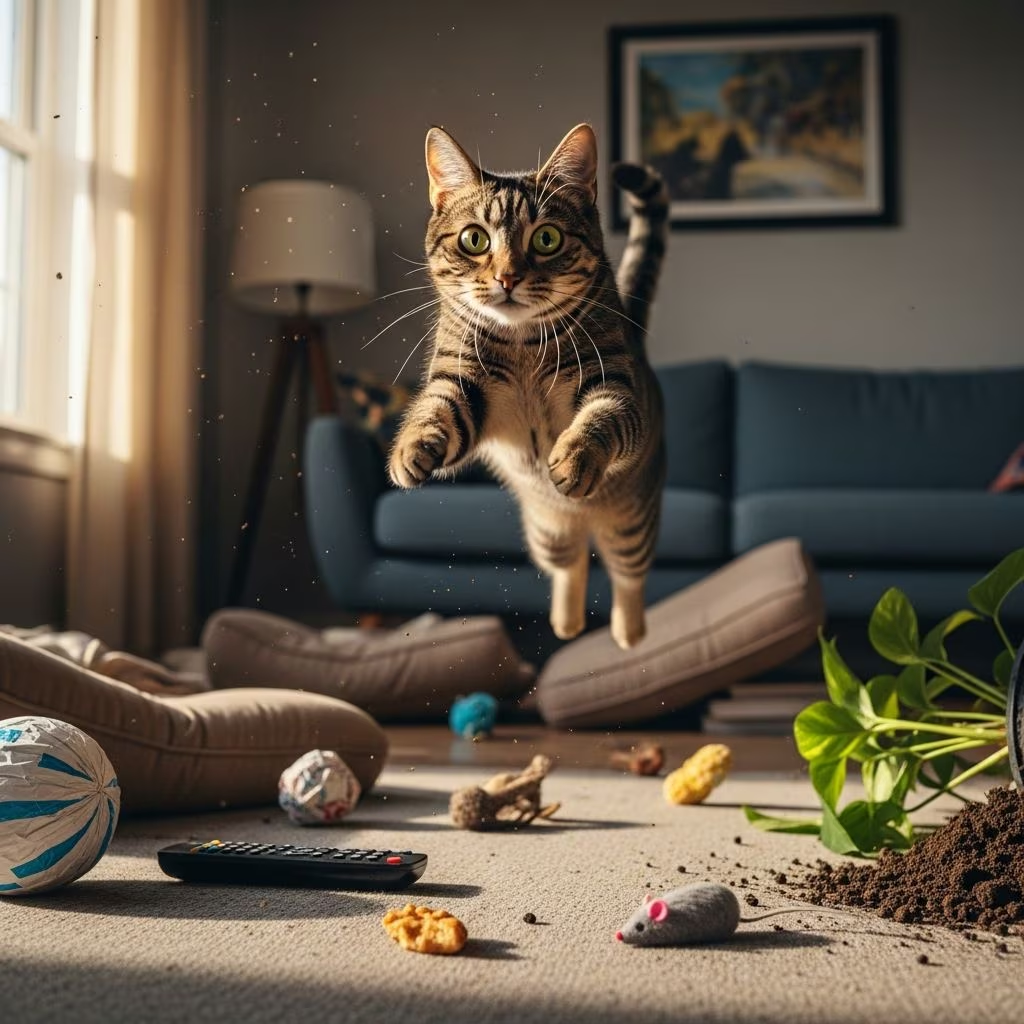
Can Cats Have ADHD? Understanding Feline Hyperactivity and Behavioral Concerns
If you’ve ever watched your cat zoom around the house at breakneck speed, pounce on invisible prey, or suddenly lose interest in toys, you might wonder: can cats have ADHD? The question has become increasingly popular among cat owners seeking to understand their feline companions’ sometimes chaotic behavior. While Attention Deficit Hyperactivity Disorder (ADHD) is a well-documented neurodevelopmental condition in humans, the situation is quite different when it comes to our furry friends. Cats cannot be formally diagnosed with ADHD in the veterinary community, yet they can display behavioral signs that resemble ADHD symptoms seen in people.
Is ADHD Recognized in Cats?
The short answer is no. ADHD is not an officially recognized diagnosis in cats by veterinary medicine standards. Unlike humans, where ADHD is classified as a neurodevelopmental disorder with specific diagnostic criteria, there is no equivalent clinical diagnosis for cats. However, this doesn’t mean that cats cannot exhibit behaviors that appear similar to ADHD symptoms. Many cats display hyperactivity, impulsivity, distractibility, mood swings, and poor social interaction that mirror traits associated with ADHD in humans.
Understanding the distinction is crucial for cat owners. Rather than assuming your cat has ADHD, it’s more accurate to say your cat may display ADHD-like behaviors. These behaviors often stem from various other causes, including medical conditions, environmental factors, age, temperament, and underlying health issues that require proper veterinary evaluation.
Recognizing ADHD-Like Symptoms in Your Cat
If you suspect your cat might have ADHD-like symptoms, there are several behavioral signs to watch for. Understanding these signs helps you differentiate between normal cat behavior and potentially problematic patterns that warrant veterinary attention.
Hyperactivity and Restlessness
One of the most obvious signs associated with ADHD-like behavior in cats is hyperactivity. Cats naturally have bursts of energy, particularly kittens and younger cats, but excessive hyperactivity goes beyond typical playfulness. Hyperactivity in cats can manifest as a constant need to move, difficulty settling down, and extremely high energy levels. This might involve frantic running around the house, excessive jumping on and off furniture, or relentless playfulness that seems to have no off switch.
The key distinction lies in frequency and intensity. While occasional bursts of energy—commonly called “the zoomies”—are normal in cats and are thought to be a response to excess energy or part of their natural predatory drive, persistent and disruptive hyperactive behavior could signify underlying issues. If your usually calm cat suddenly becomes very active, or if an adult cat displays continuous restlessness that interrupts sleep patterns, this warrants veterinary investigation.
Lack of Focus and Easy Distraction
Cats are naturally curious creatures, easily captivated by moving objects, interesting scents, or sudden sounds. While a certain degree of distractibility is inherent to their nature, persistent inattention and a severe lack of focus can be concerning. This might manifest as your cat quickly losing interest in toys, struggling to engage in interactive play sessions, or frequently getting sidetracked by the slightest disturbances in their environment.
A cat with ADHD-like symptoms might appear absent-minded, have difficulty learning new commands, or exhibit a general inability to concentrate on a single task. They may struggle to interact socially, especially with their favorite humans, showing signs of distractibility that go beyond normal feline behavior patterns.
Impulsive Behavior and Mood Swings
Impulsivity is another hallmark of ADHD-like behavior in cats. If your cat is constantly engaging in risky or hasty behaviors, such as jumping from high places without caution, knocking things over, or darting out the door without warning, this might indicate impulsivity. These sudden, unthinking actions differ from calculated predatory behavior and suggest a lack of impulse control.
Mood swings are equally notable. A cat with ADHD-like symptoms may display sudden shifts in temperament, becoming aggressive or overly playful without apparent cause. They might be affectionate one moment and standoffish the next, making it difficult for owners to predict their behavior or understand their emotional state.
Excessive Playfulness and Destructive Behavior
Many cats enjoy playtime, but an overactive cat may be involved in non-stop play, even when it’s not appropriate or desired. This excessive playfulness includes constant chasing or hunting behaviors, repetitive movements like running in circles or darting back and forth, and a persistent lack of interest in resting during typical down-time.
This excessive energy often leads to destructive behavior. A hyperactive cat might engage in destructive activities such as chewing on furniture, tearing up carpets, scratching excessively, or knocking objects off shelves. These behaviors frequently stem from a need to release excess energy and should be addressed through proper environmental enrichment and management strategies.
Overstimulation and Agitation
An overstimulated cat might react negatively to touch, sound, or visual stimuli. This could involve sudden bursts of energy following petting, loud noises, or visual triggers. They may lash out or become more agitated in these situations, sometimes to the point of self-harm through excessive grooming or scratching. Cats displaying these signs may seem unusually sensitive to environmental changes and struggle to regulate their responses appropriately.
Understanding the Difference: ADHD-Like Behavior vs. Normal Cat Behavior
Not every energetic cat has ADHD-like symptoms. It’s essential to differentiate between playful energy and true hyperactivity by considering the context and frequency of behavior. Kittens and young cats naturally have higher energy levels and shorter attention spans than adult cats. Some cat breeds are simply more energetic and require more stimulation than others. Understanding your cat’s age, breed, and individual personality helps determine whether their behavior is within the normal range.
Normal cat behavior includes occasional zoomies, playful pouncing, and curiosity-driven exploration. These behaviors typically occur in appropriate contexts and don’t interfere with the cat’s ability to rest, eat, or interact peacefully with their environment and owners. In contrast, ADHD-like symptoms are persistent, pervasive across multiple contexts, and often disruptive to the cat’s daily functioning and well-being.
Common Causes of Hyperactivity in Cats
Before assuming your cat has ADHD-like symptoms, it’s important to understand that various medical and behavioral conditions can cause hyperactivity and inattention. Identifying the underlying cause is crucial for proper management.
Medical Conditions
Several medical conditions can cause symptoms that resemble ADHD:
- Feline Hyperesthesia Syndrome: This neurological condition causes restlessness, irritability, skittish behavior, rippling skin sensations, and an inability to settle or sleep soundly.
- Overactive Thyroid: Hyperthyroidism in cats leads to increased metabolism, restlessness, and excessive activity levels.
- Feline Cognitive Dysfunction: Older cats can develop a form of dementia that causes confusion, unresponsiveness, and odd behaviors such as staring at walls or appearing disoriented.
- Pain or Discomfort: Cats experiencing pain may display restlessness, agitation, and behavioral changes.
Environmental and Behavioral Factors
Environmental factors and behavioral issues can also contribute to hyperactivity:
- Stress and Anxiety: Changes in the home environment, new pets, moving, or other stressors can lead to changes in activity levels and sleeping patterns.
- Insufficient Environmental Enrichment: Cats lacking adequate toys, climbing structures, and mental stimulation may develop destructive or hyperactive behaviors.
- Lack of Physical Exercise: Cats with pent-up energy require outlets for their natural hunting and play instincts.
- Boredom: Indoor cats without sufficient entertainment may develop problematic behaviors.
When to Seek Veterinary Advice
Behavioral changes can indicate illness, stress, anxiety, or other health concerns in cats. If you notice sudden changes in your cat’s behavior or activity levels, especially in adult cats, it’s important to consult with a veterinarian. Your vet can rule out medical conditions, assess whether the behavior is within normal ranges for your cat’s age and breed, and recommend appropriate management strategies.
Seek veterinary attention if your cat displays confused behavior, unresponsiveness, staring at walls, sudden aggression, or any other concerning behavioral changes. Your veterinarian can perform a thorough examination and recommend diagnostic tests if necessary to identify underlying causes.
Managing Hyperactivity and ADHD-Like Symptoms
Whether your cat has true ADHD-like symptoms or hyperactivity from another cause, there are several strategies to help manage the behavior:
- Provide Environmental Enrichment: Offer multiple toys, scratching posts, climbing structures, window perches, and interactive play opportunities.
- Establish a Routine: Create predictable schedules for feeding, play, and rest to help your cat feel secure and regulated.
- Increase Physical Exercise: Engage your cat in regular interactive play sessions using toys like feather wands, laser pointers, and balls.
- Mental Stimulation: Use puzzle feeders, treat-dispensing toys, and training sessions to engage your cat’s mind.
- Create Safe Spaces: Provide quiet areas where your cat can retreat and decompress when overstimulated.
- Minimize Stressors: Reduce environmental changes and create a calm home atmosphere.
- Monitor Trigger Patterns: Identify what situations lead to hyperactivity or impulsive behavior and work to manage or avoid these triggers.
Frequently Asked Questions About Cat ADHD
Q: What is ADHD and how does it differ in cats versus humans?
A: ADHD is a neurodevelopmental disorder in humans characterized by inattention, hyperactivity, and impulsivity. While cats cannot be formally diagnosed with ADHD, they can display similar behavioral signs. The key difference is that ADHD in humans is a documented clinical diagnosis, whereas in cats, these behaviors typically stem from other medical or environmental causes.
Q: Are the zoomies a sign of ADHD in my cat?
A: No, the zoomies—sudden bursts of chaotic energy—are completely normal cat behavior and not indicative of ADHD. The zoomies are thought to be a natural response to excess energy, part of a cat’s predatory drive, or a desire to play. They’re only a concern if they’re accompanied by other persistent behavioral changes or if they’re extremely frequent and disruptive.
Q: What medical conditions can cause ADHD-like symptoms in cats?
A: Several conditions can mimic ADHD symptoms, including feline hyperesthesia syndrome, hyperthyroidism, feline cognitive dysfunction (dementia in older cats), pain or discomfort, and various behavioral issues related to stress or anxiety. A veterinary examination is essential to rule out these conditions.
Q: How can I tell if my cat’s behavior is normal or a sign of ADHD-like symptoms?
A: Normal cat behavior is contextual and doesn’t significantly interfere with daily functioning. ADHD-like symptoms are persistent, pervasive across multiple contexts, and often disruptive. Consider your cat’s age, breed, and individual personality. If you’re uncertain, consult with your veterinarian for a professional assessment.
Q: Can ADHD medication help my hyperactive cat?
A: ADHD medications are not prescribed for cats because ADHD is not a recognized diagnosis in feline medicine. Additionally, cats can have dangerous reactions to human ADHD medications. Always consult with your veterinarian before giving any medication to your cat. Management through environmental enrichment and behavioral strategies is typically the recommended approach.
Q: What should I do if I think my cat has ADHD?
A: First, schedule a veterinary examination to rule out medical conditions. Describe the specific behaviors you’ve observed and when they occur. Your veterinarian can assess whether the behavior is within normal ranges and recommend appropriate management strategies. Environmental enrichment, increased play, and stress reduction are typically effective approaches.
Conclusion
While cats cannot be officially diagnosed with ADHD, they can certainly display behaviors that resemble ADHD symptoms in humans. Hyperactivity, impulsivity, distractibility, and mood swings are signs that warrant closer observation and veterinary evaluation. However, these behaviors often stem from other causes—including medical conditions, environmental factors, insufficient enrichment, or simply the natural exuberance of youth. By understanding the difference between normal cat behavior and concerning symptoms, providing appropriate environmental enrichment, and seeking professional veterinary guidance when needed, you can help ensure your cat lives a happy, healthy, and well-balanced life. Remember, each cat is unique, and what works for one may not work for another. Patience, observation, and professional support are key to managing your cat’s behavior effectively.
References
- Can Cats Have ADHD? 6 Signs To Watch Out For — Cats.com. 2024. https://cats.com/can-cats-have-adhd
- Decoding Feline ADHD: Everything Cat Owners Need to Know — Connect N Care ABA. 2024. https://www.connectncareaba.com/blog/decoding-feline-adhd
- Can Cats Have ADHD? Exploring Feline Hyperactivity — Blossom ABA Therapy. 2024. https://blossomabatherapy.com/blog/can-cats-have-adhd
- Can Cats Have ADHD? Signs to Watch Out For — All Star ABA. 2024. https://www.allstaraba.org/blog/can-cats-have-adhd
- Can Cats Have ADHD? — Kinship. 2024. https://www.kinship.com/cat-behavior/can-cats-have-adhd
- The Dangers of ADHD Medication and Your Pets — ASPCA. 2024. https://www.aspca.org/news/dangers-adhd-medication-and-your-pets



