

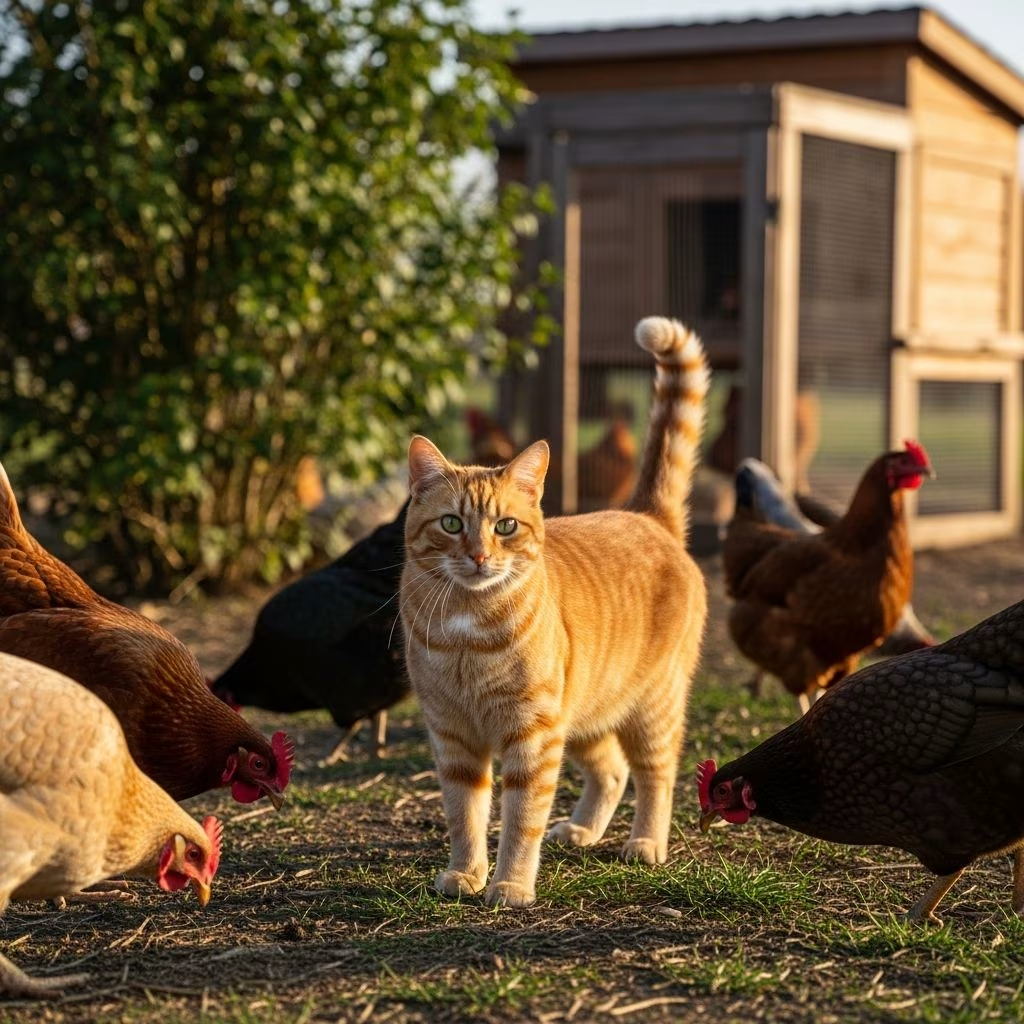
Domestic cats rarely protect chickens from major predators but can deter smaller pests like rodents, creating a mutually beneficial backyard dynamic when managed properly. However, their predatory instincts make them a significant danger to chicks and young birds, requiring careful supervision and secure enclosures for safe integration.
The Natural Dynamics Between Cats and Chickens
Cats are innate hunters wired to stalk small, moving targets, a trait that evolved for survival in the wild. Chickens, as prey animals, rely on flock strength and vigilance for defense. Adult chickens typically outweigh and outnumber a single cat, deterring most attacks due to the high risk of injury from sharp beaks, spurs, and group resistance. Roosters, in particular, often aggressively defend their hens, flapping wings and spurring intruders effectively.
Yet, this balance shifts dramatically with vulnerable poultry. Chicks and pullets represent ideal prey—small, clumsy, and lacking full defensive capabilities. Feral or hungry cats may target isolated adult hens, especially smaller bantam breeds, though well-fed pets seldom bother full-sized birds. Observations from urban homesteaders confirm rare incidents with mature flocks, but consistent threats to young ones underscore the need for caution.
Potential Benefits of Cats in Chicken Yards
Beyond mere tolerance, cats offer practical advantages for chicken keepers. Their presence naturally suppresses rodent populations that raid feed stores and spread disease. Rats and mice, drawn to spilled grains, pose ongoing issues; a vigilant cat patrols perimeters, reducing these invaders and indirectly minimizing snake attractions since serpents follow rodent trails.
- Pest Control: Cats target mice, rats, and wild birds competing for chicken feed, enhancing overall flock health.
- Territorial Deterrence: Familiar cats mark areas, discouraging stray predators from lingering near coops.
- Low-Maintenance Guardianship: Unlike dogs, cats require no training for rodent hunting and thrive independently in yards.
These perks shine in free-range setups where cats observe chickens from afar, fostering coexistence without direct intervention. Many keepers report harmonious scenes: cats lounging nearby as hens forage, occasionally swatting pests.
Risks and Realities: When Cats Become Threats
Despite upsides, ignoring feline instincts invites disaster. Cats view chicks as playthings or meals, capable of swift kills even unintentionally during ‘hunts.’ Larger breeds like Maine Coons amplify risks due to size and strength, while pack-hunting pets compound dangers. Adult chickens injured by cats face severe infections from deep punctures, often fatal without prompt veterinary care—even superficial wounds harbor bacteria.
| Chicken Age | Cat Threat Level | Reasons |
|---|---|---|
| Chicks/Pullets | High | Small size, weak mobility; irresistible to predatory play. |
| Adult Hens | Low | Size, flock defense, rooster protection deter attacks. |
| Bantams | Medium | Smaller stature increases vulnerability if isolated. |
Factors like cat hunger, boredom, or novelty heighten aggression. Neighborhood strays, unbound by familiarity, prowl opportunistically, especially at dawn or dusk.
Safeguarding Your Flock: Essential Protection Measures
Proactive steps minimize conflicts. Prioritize secure housing: elevate coops on legs with wire mesh bottoms to block cat access, and cover brooders with tight-fitting lids for chicks. Motion-activated deterrents disrupt nocturnal hunts—lights flood areas, startling intruders, while sprinklers deliver startling sprays.
Strategic coop placement matters. Avoid tree-adjacent spots granting climbing vantage points, favoring open, elevated sites with clear sightlines. Opt for robust breeds like Jersey Giants or Brahmas, whose bulk intimidates cats more than delicate Silkies.
- Fortify enclosures with hardware cloth (1/4-inch mesh) buried 12 inches deep to prevent digging.
- Employ natural repellents: citrus peels, coffee grounds, or lavender around perimeters repel sensitive feline noses.
- Install electric fencing low to the ground, tuned for small mammals.
Step-by-Step Guide to Introducing Cats and Chickens
Gradual acclimation builds tolerance. Begin with visual separation via sturdy fencing, rewarding calm behaviors with treats for both species. Monitor body language: dilated pupils or crouched stalking signal predation; intervene firmly with verbal corrections and distractions.
Progress to supervised open-yard meetings, keeping sessions short (5-10 minutes) and leashed if needed. Positive reinforcement—praise and snacks—associates the other with rewards. Full unsupervised access follows only after weeks of peaceful interactions, never allowing cats into coops.
- Week 1: Scent swapping via shared bedding; observe reactions indoors.
- Week 2: Fenced viewing; treat calm observation.
- Week 3+: Supervised proximity; extend time gradually.
Individual temperaments dictate pace. Hunter cats demand stricter oversight; lazy lapsitters integrate faster. Persistent aggression? Separate permanently or rehome.
Understanding Feline and Avian Behaviors
Cats assess targets by size and escape potential—adult chickens fail both criteria for most, triggering disinterest. Chickens habituate to resident cats, ignoring them amid flock routines, but alarm-call at strangers. Roosters patrol aggressively, buffering hens effectively.
Boredom fuels mischief; enrich cat environments with toys, perches, and hunts elsewhere to redirect energy. Seasonal changes amplify issues—spring kitten urges or winter hunger spur risks.
Emergency Response to Cat-Chicken Incidents
Act swiftly on attacks. Isolate injured birds, clean wounds with antiseptic, and seek avian vets immediately—puncture infections escalate rapidly. Administer antibiotics if prescribed; monitor for abscesses. Prevent repeats by auditing enclosures post-incident.
Choosing the Right Cat for Chicken Coexistence
Not all cats suit mixed yards. Select older, spayed/neutered pets with low prey drives—former barn cats excel if socialized early. Avoid high-energy hunters or ferals. Test via controlled intros before commitment.
Common Myths Debunked
- Myth: Cats naturally guard chickens like dogs. Reality: They control pests incidentally, not flocks.
- Myth: All cats ignore birds. Reality: Instinct varies; young poultry tempt universally.
- Myth: Free-ranging eliminates risks. Reality: Open spaces aid chicken defense but expose isolates.
Frequently Asked Questions
Will my cat kill my chickens?
Adult chickens are safe from most fed cats, but chicks face high risks. Supervision and security are key.
Can chickens hurt cats?
Yes, flocks with roosters can injure or repel cats via pecking and spurring.
How do I stop stray cats from my coop?
Use motion lights, sprinklers, and sealed enclosures to deter them effectively.
Are there cat-safe chicken breeds?
Larger breeds like Australorps reduce interest compared to bantams.
What if my cat chases chickens during intros?
Revert to separation, use corrections and treats to retrain positively.
Long-Term Harmony Strategies
Sustain peace through routine checks: inspect fences weekly, rotate deterrents to prevent habituation, and provide dual enrichments—scratching posts for cats, dust baths for hens. Community forums share successes, but tailor to your setup. With diligence, cats and chickens thrive together, yielding pest-free eggs and serene yards.
References
- Are cats a threat to chickens? — Dine-A-Chook. 2023. https://www.dineachook.com.au/blog/are-cats-a-threat-to-chickens/
- How to Keep Cats Away From Chickens: 8 Vet-Approved Tips — Catster. 2024-05-15. https://www.catster.com/lifestyle/how-to-keep-cats-away-from-chickens/
- Are Cats a Danger to My Flock? — Hobby Farms. 2022-08-10. https://www.hobbyfarms.com/are-cats-a-danger-to-my-flock/



