

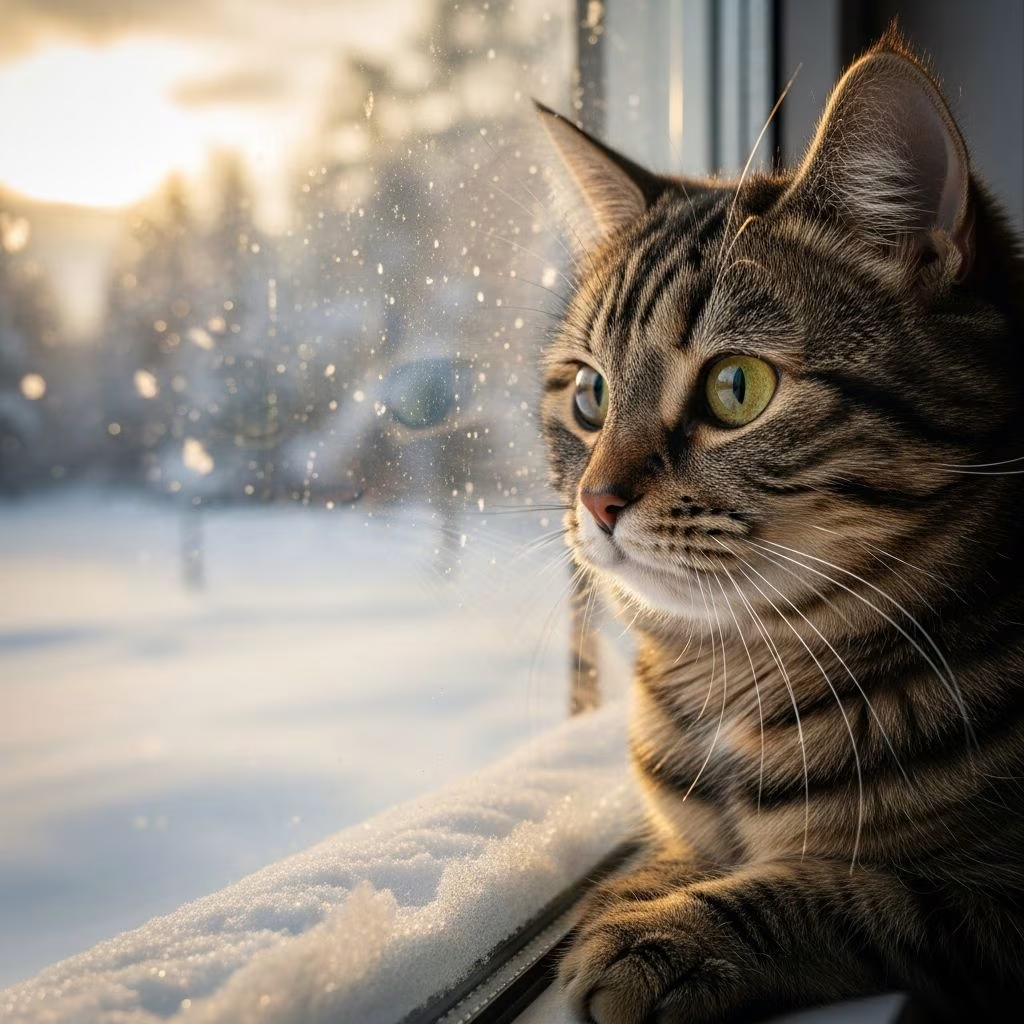
Can Cats Go Outside in the Winter? A Complete Safety Guide
While cats are naturally equipped with fur coats that thicken in winter, outdoor felines face significant dangers during the cold months. Many cat owners wonder whether it is safe to let their cats outside when temperatures drop. The answer is nuanced: cats can go outside in winter, but they require careful preparation, increased supervision, and proper environmental support to stay safe and healthy.
Cats that are accustomed to outdoor freedom often want to maintain that access year-round. However, winter conditions introduce unique risks including frostbite, hypothermia, toxic substances, vehicle hazards, and nutritional challenges. Understanding these dangers and taking preventive measures is essential for any cat owner with an outdoor pet.
Understanding Winter Risks for Outdoor Cats
Winter presents multiple hazards that indoor cats never encounter. Early darkness, fog, snow, and ice significantly impair visibility, making it difficult for drivers to see cats crossing roads. Additionally, cats may become disoriented in heavy snow and struggle to find their way home, leading to potentially dangerous situations.
Cold exposure poses direct physiological threats. While a cat’s fur provides natural insulation, prolonged exposure to freezing temperatures can cause frostbite on exposed skin areas such as ears, nose, and paws. Extremely elderly or very young cats are at heightened risk, as are those with health conditions that reduce mobility.
Toxic winter substances represent another serious danger. Antifreeze tastes sweet to cats and is highly poisonous if ingested. Road salt and ice-melt chemicals can irritate paw pads and cause painful lesions when cats lick their feet. Additionally, cats may seek warmth by hiding in vehicle engine compartments, risking serious injury when the engine starts.
Providing Adequate Shelter and Insulation
Creating a warm, dry, and well-insulated outdoor shelter is critical for outdoor cats in winter. A proper shelter protects cats from wind, moisture, and extreme cold when they cannot be indoors.
Shelter Design and Construction
An effective outdoor cat shelter should meet these specifications:
- Size and elevation: The shelter should be elevated off the ground using a pallet or similar platform to prevent moisture and cold from seeping in through the floor.
- Doorway placement: Position the entry away from prevailing winds and preferably facing a wall. The opening should be small enough to allow only cats to enter and exit, blocking out larger animals and cold drafts.
- Weather protection: Install a door flap over the entryway and cover the top with plywood. An awning made from plastic and cardboard can further shield the shelter from snow and rain.
- Waterproofing: Ensure the shelter remains dry by sealing gaps and avoiding moisture accumulation inside.
Insulation Materials
Use straw, not hay or blankets, as your primary insulation material. Straw repels moisture and effectively traps heat, while hay and blankets absorb water like sponges, making shelters wet and cold. Alternatively, line shelters with mylar blankets (the distinctive silver thermal blankets that reflect body heat), and place straw on top. For extremely cold climates, insulate shelter walls with cardboard or cork material, and use mylar paneling on walls and floors to reflect the cat’s body heat back inward.
Shelters should be weighted down with bricks or boards to prevent them from shifting in the wind and to keep them secure.
Regular Maintenance
Check outdoor shelters regularly to ensure they remain in good condition and are free of damage. After significant snowfall, clear the area around the shelter and shovel out the entrance so cats don’t become snowed in. Keep shelters clean and dry, especially if multiple cats or feral colonies use them.
Nutrition and Hydration During Winter
Outdoor cats require significantly more food in winter because they burn additional calories to maintain body heat, even when inactive. Increase portion sizes when temperatures drop to ensure your cat has adequate energy reserves.
Feeding Best Practices
Provide food and water outdoors in designated locations:
- Use plastic bowls to prevent tongues from freezing to metal surfaces.
- Fill water bowls with warm or hot water and keep them in sunny spots when possible.
- Use dark-colored bowls to absorb sunlight, helping keep water from freezing.
- Consider double-layered bowls that insulate the water from cold ground temperatures.
- Install a solar-powered water bowl or place a microwave-heated pad underneath regular bowls to prevent freezing.
- Keep bowls clean to prevent chin dermatitis and skin conditions.
- Ensure fresh water is always available and not frozen.
Paw and Coat Care in Winter
Winter weather poses direct threats to your cat’s paws and fur. Road salt, ice-melt chemicals, and frozen water can damage sensitive paw pads, causing pain and potential ulcers.
Protecting Paws
Implement these protective measures:
- Apply paw balm regularly to protect pads from chemical damage.
- Wipe paws with a damp cloth or sensitive skin baby wipe when your cat returns indoors to remove salt and chemicals.
- Use pet-friendly ice-melt products on your driveway and walkways instead of traditional rock salt.
- For long-haired cats, trim excess fur between the paw pads to prevent ice balls from forming.
Coat Maintenance
While cats’ coats naturally thicken in winter for better insulation, keep an eye on overall fur condition. Remove excess fur from paw areas to prevent ice accumulation. If your cat shows signs of matting or tangles from ice exposure, gently address these to maintain the coat’s insulating properties.
Preventing Cold-Weather Dangers
Hazards to Watch For
Beyond shelter and nutrition, outdoor cats face several specific winter dangers:
- Frostbite: Check your cat’s ears, nose, and paws regularly for signs of frostbite, especially after cold days. Seek immediate veterinary care if you notice any discoloration or blistering. Never attempt to warm frostbitten skin yourself.
- Frozen water bodies: Cover garden ponds to prevent cats from breaking through thin ice and falling in.
- Antifreeze poisoning: Keep all antifreeze away from cats and clean up spills immediately. The sweet taste attracts cats, but even small amounts are lethal.
- Vehicle hazards: Tap your car hood and check underneath before starting your engine, as cats seek warmth under hoods and beneath vehicles.
- Visibility hazards: Use a reflective cat collar or GPS tracker with reflective collar to increase visibility to drivers. However, be aware that collars can cause injuries if they catch on fences or bushes; quick-release collars reduce this risk.
Extreme Cold Days
On extremely cold days, keep outdoor cats indoors. If the temperature is too cold for you to stay outside comfortably, it’s too cold for your cat. Most outdoor cats will voluntarily remain inside on frigid days, but monitor the weather forecast since temperatures can change rapidly. If you plan to be away from home on unpredictable weather days, leave your cat indoors regardless of protests.
Special Considerations for Senior and Young Cats
Elderly and very young cats should not go outside in winter if possible. Senior cats with reduced activity levels, muscle loss, or weight loss struggle to generate enough body heat. Those with arthritis experience increased joint pain and stiffness in cold weather. Additionally, older cats may become disoriented in snow and get lost. Consult your veterinarian about transitioning senior cats to an indoor-only lifestyle during winter months.
Installing a Cat Flap for Easy Access
For cats accustomed to outdoor freedom, installing a cat flap allows unrestricted entry and exit while maintaining energy efficiency indoors. During winter, when cats prefer warm indoor temperatures, a cat flap lets them venture outside briefly without requiring constant door opening. Choose a flap appropriate for your cat’s size and consider one with magnetic or microchip activation to prevent other animals from entering.
Health Monitoring and Veterinary Care
Ensure your outdoor cat receives appropriate winter health support:
- Confirm that your cat is sufficiently vaccinated against winter respiratory infections, which increase in cold months.
- Schedule a winter checkup with your veterinarian to assess your cat’s ability to handle cold weather.
- Monitor for signs of illness including lethargy, loss of appetite, labored breathing, or excessive coughing.
- Keep emergency veterinary contact information readily available.
Frequently Asked Questions (FAQs)
Q: At what temperature is it too cold for cats to go outside?
A: If the temperature feels too cold for you to stay outside comfortably, it’s too cold for your cat. Generally, temperatures below freezing (32°F or 0°C) pose increasing risks, especially for cats without adequate shelter or those under 1 year or over 7 years old.
Q: Can indoor cats go outside in winter?
A: Indoor cats are not acclimated to cold and should not be allowed outside in winter. Outdoor cats naturally develop thicker coats and behavioral adaptations, but indoor cats lack these protections.
Q: How often should I check on my outdoor cat during winter?
A: Check on outdoor cats at least twice daily, more frequently during severe weather. Ensure they have access to shelter, food, and water, and monitor for signs of cold stress or illness.
Q: Is it better to keep my cat indoors during winter?
A: Yes, keeping cats indoors is generally the safest option during winter. However, if your cat is accustomed to outdoor access, provide proper shelter, nutrition, and safety measures to minimize risks.
Q: What should I do if my cat gets frostbite?
A: Seek immediate veterinary care. Do not attempt to warm the affected area yourself, as this can cause further damage. Your veterinarian will provide appropriate treatment.
References
- Outdoor Cats in the Winter — FOUR PAWS USA. https://www.fourpawsusa.org/our-stories/publications-guides/outdoor-cats-in-the-winter
- How to Help Outdoor Cats in Winter — Best Friends Animal Society. https://bestfriends.org/pet-care-resources/how-help-outdoor-cats-winter
- Winter Tips to Keep Your Outdoor Cat Safe — Just Cats Clinic. https://justcatsclinic.com/winter-tips-to-keep-your-outdoor-cat-safe/
- Cold Weather Tips for Cats — Alley Cat Allies. https://www.alleycat.org/resources/cold-weather-tips-for-cats/



